
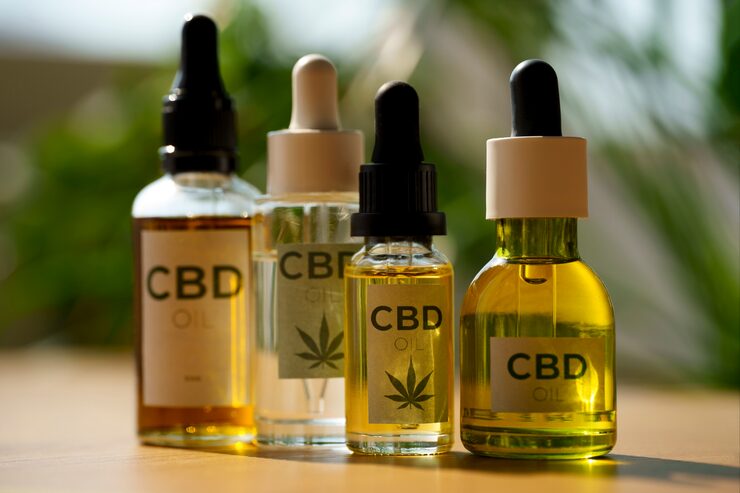
The cannabidiol industry has expanded rapidly during recent years, introducing consumers to countless wellness products across competitive marketplaces worldwide. Among these products, CBD edibles continue gaining popularity because they provide convenience, discretion, and enjoyable consumption experiences for users. However, increasing market growth also creates challenges regarding quality control, transparency, and consumer trust within the broader cannabidiol industry. Consequently, brand reputation has become one of the most important factors influencing purchasing decisions among informed and cautious consumers. Understanding why credibility matters helps individuals identify reliable products while avoiding inconsistent formulations and misleading marketing practices.
Brand Reputation Reflects Product Quality
Consumers entering the cannabidiol market often encounter overwhelming product variety, making reliable decision-making increasingly difficult without trustworthy guidance. In this environment, brand reputation serves as a critical indicator of product quality, manufacturing standards, and ethical business practices overall. Companies with strong reputations typically invest heavily in sourcing premium ingredients, conducting independent testing, and maintaining transparent communication with customers.
Furthermore, reputable manufacturers prioritize consistency across batches, ensuring consumers receive predictable cannabinoid concentrations and reliable product experiences over time. This consistency becomes especially important for individuals incorporating CBD edibles into daily wellness routines focused on stability and effectiveness. Additionally, trustworthy companies often provide detailed information regarding extraction methods, ingredient origins, and laboratory certifications that support informed consumer choices.
Positive customer experiences also contribute significantly to brand reputation, reinforcing confidence among new and returning buyers alike. Reviews, testimonials, and independent recommendations offer valuable insights into product performance, customer service responsiveness, and overall reliability within competitive markets. As consumers increasingly prioritize transparency and accountability, companies maintaining strong reputations continue gaining long-term trust and market recognition.
Why Transparency and Third-Party Testing Strengthen Brand Reputation
Transparency has become a defining characteristic of reputable cannabidiol companies seeking to establish credibility within highly competitive wellness markets today. Consumers expect accessible information regarding ingredient sourcing, cannabinoid profiles, and manufacturing standards before purchasing CBD edibles for personal use. Consequently, brands prioritizing openness often distinguish themselves from competitors relying heavily on vague claims or incomplete product descriptions.
Third-party laboratory testing represents one of the most effective ways companies demonstrate commitment to quality assurance and consumer safety standards. Independent testing verifies cannabinoid concentrations while identifying contaminants such as pesticides, heavy metals, and residual solvents potentially affecting product safety. These reports, commonly referred to as certificates of analysis, provide objective evidence supporting product legitimacy and consistency.
Additionally, transparent labeling practices further enhance brand reputation by ensuring consumers understand dosage information, serving sizes, and ingredient composition clearly. This level of clarity helps individuals make informed decisions aligned with personal wellness goals and dietary preferences.
Within this context, wellness-focused businesses associated with natural wellness solutions Pinellas Park often emphasize educational resources and transparent product information to build lasting customer relationships. Such approaches illustrate how trust and accountability contribute directly to stronger consumer confidence within the growing cannabidiol industry. By prioritizing transparency and rigorous testing standards, companies establish credibility that supports long-term customer loyalty and positive market perception.
The Role of Customer Experience and Ethical Practices
Customer experience extends beyond product quality alone, encompassing communication, support services, and overall satisfaction throughout the purchasing journey. Reputable cannabidiol companies understand that responsive customer service strengthens brand reputation while fostering trust among both new and returning consumers. Prompt responses to questions regarding dosage, ingredients, or shipping concerns demonstrate professionalism and commitment to customer well-being.
Ethical business practices also contribute significantly to consumer perception, particularly regarding sustainability, responsible marketing, and accurate health-related communication. Companies avoiding exaggerated claims and prioritizing evidence-based information often gain greater credibility within increasingly informed consumer communities. This ethical approach reduces misinformation while supporting realistic expectations surrounding CBD edibles and their intended uses.
Moreover, socially responsible initiatives, including environmentally conscious packaging and sustainable ingredient sourcing, further enhance consumer trust and brand image. Modern consumers increasingly value companies aligning business practices with broader environmental and social responsibility goals. As a result, ethical considerations play a growing role in shaping purchasing behavior across wellness industries.
By combining excellent customer experiences with responsible operational practices, companies strengthen their reputations while differentiating themselves from less reliable competitors within the cannabidiol marketplace.
Brand Reputation Influences Long-Term Consumer Confidence
Consumer confidence develops gradually through repeated positive experiences, transparent communication, and consistent product quality across multiple interactions with a company. Strong brand reputation plays a central role in sustaining this confidence, encouraging long-term loyalty among individuals seeking reliable wellness solutions.
When consumers trust a company, they become more willing to explore additional products within the same brand portfolio, strengthening customer retention and engagement over time. This loyalty often stems from confidence in manufacturing standards, ingredient integrity, and overall product consistency that reputable brands maintain consistently.
Additionally, word-of-mouth recommendations and online reviews amplify the influence of brand reputation, shaping purchasing decisions among broader consumer audiences. Positive experiences shared through digital platforms contribute significantly to market visibility and perceived credibility within competitive industries.
Educational content also reinforces consumer confidence by helping individuals understand proper usage, dosage considerations, and product selection criteria more effectively. Companies investing in consumer education demonstrate commitment to informed wellness practices rather than purely transactional relationships. This approach fosters stronger emotional connections and reinforces trust between businesses and their customers.
Evaluating Brand Reputation Before Purchasing CBD Edibles
Before purchasing CBD edibles, consumers should evaluate multiple factors contributing to overall brand reputation and marketplace credibility carefully. Reviewing independent laboratory reports provides essential verification regarding product safety, potency, and ingredient accuracy across different formulations. These documents offer objective insights that support informed purchasing decisions while reducing uncertainty surrounding product quality.
Additionally, researching company history and customer feedback helps identify patterns related to reliability, transparency, and service quality over time. Established companies with consistently positive reputations often demonstrate greater accountability and operational stability compared to newer or less transparent competitors.
Consumers should also examine website clarity, educational resources, and ingredient disclosures when assessing brand professionalism and commitment to transparency. Brands providing detailed information typically prioritize informed decision-making and long-term customer trust more effectively than companies offering limited product details.
Furthermore, evaluating manufacturing certifications and compliance with regulatory standards offers additional assurance regarding production quality and safety protocols. These factors collectively contribute to stronger brand reputation and more dependable consumer experiences overall.
Ultimately, choosing CBD edibles involves more than selecting appealing flavors or attractive packaging, as credibility and trustworthiness remain essential considerations for long-term wellness support. By prioritizing reputable companies committed to transparency, consistency, and ethical practices, consumers can make confident purchasing decisions aligned with both safety expectations and personal wellness goals.

![Anua - PDRN Hyaluronic Acid Hydrating Capsule Mist [100ml]](https://bloggingwebs.com/wp-content/uploads/2026/05/Adobe-Express-file.png)