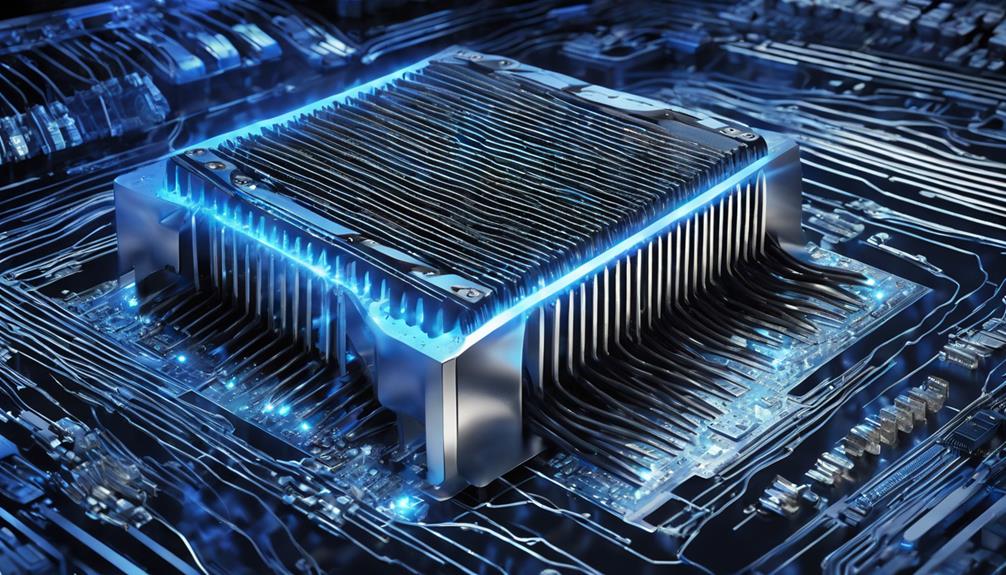
Heat control is very important in modern systems, and therefore industries depend on advanced cooling methods. At the same time, machines and electronics produce constant heat, and thus proper management is required. Because of this, different thermal solutions are used, and therefore system performance improves.
Air-Based Cooling Solutions
Air cooling is one of the most common methods, and therefore it is widely used in many industries. Because it uses fans and airflow, it removes heat quickly, and thus systems stay stable.
Moreover, air cooling is cost-effective, and therefore it is used in computers and small machines. At the same time, it is easy to install, and thus maintenance is simple.
On the other hand, air cooling may not handle extreme heat, and therefore it has limits. As a result, it is best for light to medium applications.
Liquid Cooling Systems
Liquid cooling is more advanced, and therefore it is used in high-performance systems. Because liquids absorb heat better than air, they provide strong cooling, and thus performance increases.
Moreover, this method is used in data centers and industrial machines, and therefore it ensures stability. At the same time, it reduces overheating risks, and thus equipment safety improves.
Heat Sinks and Thermal Conductors
Heat sinks are simple but effective solutions, and therefore they are widely used in electronics. Because they absorb and spread heat, they prevent overheating, and thus devices work efficiently.
Moreover, materials like aluminum and copper are used, and therefore heat transfer improves. At the same time, they are low maintenance, and thus long-term costs stay low.
Phase Change Cooling Systems
Phase change systems are advanced solutions, and therefore they are used in high-tech industries. Because they change liquid into gas to absorb heat, they provide strong cooling, and thus performance improves.
Moreover, these systems are efficient in controlling temperature spikes, and therefore they protect sensitive equipment. At the same time, they are used in aerospace and electronics, and thus reliability increases.
Thermal Interface Materials (TIMs)
Thermal interface materials are essential in electronics, and therefore they improve heat transfer. Because they fill gaps between surfaces, they reduce heat resistance, and thus cooling becomes more effective.
Moreover, TIMs include pastes, pads, and gels, and therefore they are flexible in use. At the same time, they improve contact between components, and thus system performance increases.
On the other hand, poor-quality materials reduce efficiency, and therefore proper selection is important. As a result, TIMs play a key role in cooling systems.
Practical Example: Cooling in Industrial Electronics
Let us look at a practical example, and therefore the concept becomes clearer.
A manufacturing company uses high-power machines, and therefore heat builds up quickly. Because the system risks overheating, engineers install a combination of air cooling and heat sinks, and thus temperature stays stable.
Moreover, thermal sensors monitor heat levels, and therefore adjustments happen automatically. At the same time, cooling efficiency improves, and thus machine downtime is reduced.
As a result, production continues smoothly, and therefore thermal management proves essential.
Importance of Custom Thermal Solutions
Every industry has different needs, and therefore standard systems are not always enough. Because complex machines generate different heat levels, complex Thermal Management Solutions are often required, and thus performance improves.
Moreover, companies rely on advanced Thermal Management Products, and therefore they ensure better cooling control. At the same time, customized designs help meet specific needs, and thus efficiency increases.
Additionally, modern thermal management products are designed for precision, and therefore they support long-term reliability. On the other hand, generic systems may fail under pressure, and therefore customization becomes important. As a result, tailored solutions are widely used.
Role of Advanced Thermal Technologies
Modern industries depend on innovation, and therefore advanced cooling systems are constantly improving. Because technology is evolving, new thermal management solutions are designed, and thus performance becomes better.
Moreover, smart sensors and automation help control heat, and therefore systems react faster. At the same time, energy efficiency improves, and thus operational costs decrease.
On the other hand, outdated systems cannot handle modern demands, and therefore upgrades are necessary. As a result, advanced solutions are becoming standard.
Call to Action (CTA)
If you are looking for reliable and advanced thermal solutions for your industry, and therefore need expert support, now is the right time to act. Visit our website today, and thus explore high-quality thermal systems designed for your needs.
Final Thoughts
Different types of thermal management solutions are available, and therefore industries can choose based on their needs. Because air cooling, liquid cooling, heat sinks, and advanced systems all serve different purposes, they improve performance, and thus reliability increases.