Introduction
India is home to some of the world’s most extraordinary wildlife destinations, offering travelers the opportunity to experience untouched landscapes, rare wildlife encounters, and immersive nature retreats. For those seeking a meaningful escape from busy city life, staying at one of the best wildlife resorts India has to offer can transform an ordinary vacation into an unforgettable journey.
Among India’s most celebrated wildlife destinations is Sasan Gir, the only natural habitat of the majestic Asiatic lion. Choosing a resort in Sasan Gir forest allows travelers to experience the perfect blend of wilderness, comfort, and sustainable hospitality while exploring one of the country’s most remarkable ecosystems.
Why Wildlife Tourism Is Growing in India
Modern travelers are increasingly looking for experiences that connect them with nature. Wildlife tourism offers more than sightseeing—it provides opportunities to observe animals in their natural habitats, learn about conservation, and reconnect with the environment.
The best wildlife resorts in India are designed to create authentic experiences while ensuring guests enjoy modern comforts. These retreats allow visitors to wake up to birdsong, witness breathtaking sunsets, and immerse themselves in landscapes that remain largely untouched by urban development.
At The Forest Chapter, we believe that nature should not be treated as a display but respected as a living presence. Our retreats are designed as sanctuaries where guests can experience the wilderness with mindfulness, comfort, and purpose.
Discover the Magic of Sasan Gir
Located in Gujarat, Sasan Gir is internationally renowned as the last refuge of the Asiatic lion. The Gir landscape consists of dry deciduous forests, grasslands, rivers, and rocky terrain that support an incredible variety of wildlife.
Visitors to a resort in Sasan Gir forest can explore the region through guided safaris and nature experiences that reveal the beauty of this unique ecosystem. In addition to Asiatic lions, Gir is home to leopards, hyenas, jackals, crocodiles, antelope species, and more than 300 bird species.
The diversity of wildlife and natural beauty make Gir one of India’s most rewarding destinations for nature enthusiasts, photographers, families, and adventure seekers.
What Makes Wildlife Resorts Special?
The finest wildlife retreats offer much more than accommodation. They create opportunities for meaningful experiences that inspire appreciation for nature and conservation.
Some key benefits of staying at the best wildlife resorts in India include:
- Proximity to wildlife habitats and safari zones
- Comfortable accommodations surrounded by nature
- Personalized hospitality and curated experiences
- Sustainable practices that protect local ecosystems
- Opportunities to learn about conservation and local culture
The Forest Chapter embraces these principles by creating spaces where guests can slow down, observe, and reconnect with the natural world.
Luxury and Sustainability in Harmony
Today’s travelers increasingly value sustainability when choosing accommodations. Modern wildlife resorts are embracing eco-conscious design, renewable resources, and responsible tourism practices to reduce environmental impact.
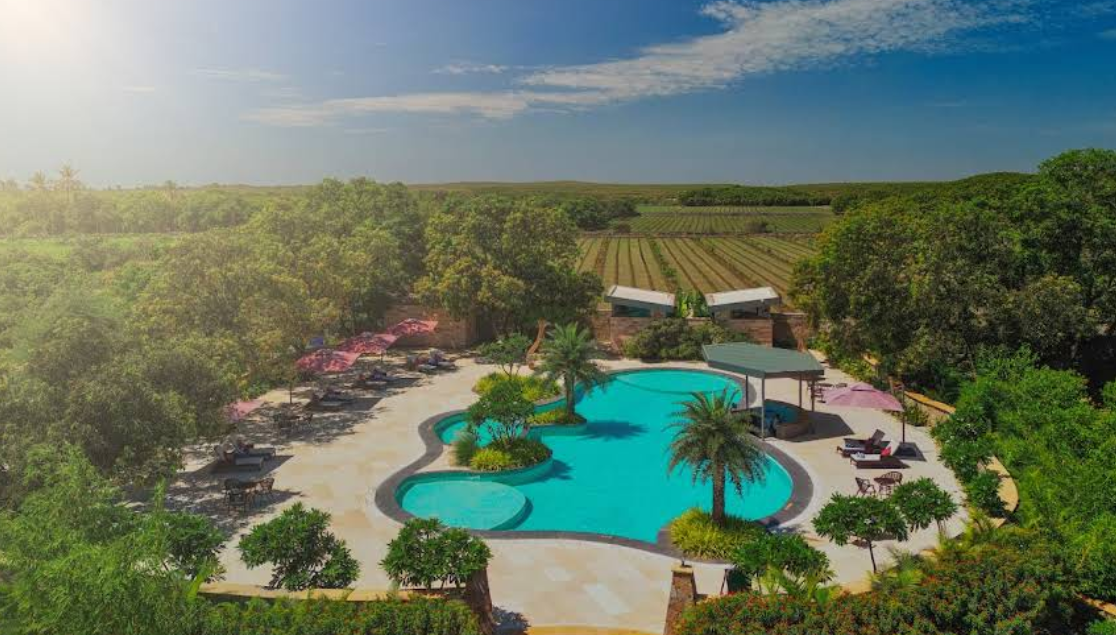
A thoughtfully designed resort in Sasan Gir forest balances luxury with environmental responsibility. Sustainable architecture, locally sourced materials, water conservation initiatives, and support for local communities contribute to a travel experience that benefits both visitors and the environment.
At The Forest Chapter, sustainability is woven into every aspect of the guest experience. From design choices to community engagement, our goal is to ensure that future generations can continue to enjoy India’s extraordinary natural heritage.
Experiences Beyond the Safari
While wildlife safaris are often the highlight of a trip, the experience extends far beyond spotting animals. Guests can enjoy nature walks, birdwatching excursions, cultural interactions, stargazing sessions, and wellness experiences inspired by the natural surroundings.
These moments encourage travelers to appreciate the rhythms of the forest and develop a deeper understanding of the interconnectedness of life in the wild.
Whether enjoying a quiet sunrise, listening to the sounds of the forest, or sharing stories around an evening fire, every experience contributes to a memorable and meaningful stay.
Conclusion
India’s wildlife destinations offer a rare opportunity to reconnect with nature while enjoying exceptional comfort and hospitality. Choosing one of the best wildlife resorts in India can elevate your travel experience, providing adventure, relaxation, and a deeper appreciation for conservation.
A stay at a premium resort in Sasan Gir forest allows travelers to witness extraordinary wildlife, explore stunning landscapes, and experience the beauty of responsible tourism. At The Forest Chapter, every stay is designed to foster authentic connections with nature, self, and culture, creating memories that last a lifetime.
Frequently Asked Questions
1. Why is Sasan Gir famous among wildlife travelers?
Sasan Gir is the only natural habitat of the Asiatic lion and is known for its rich biodiversity, scenic landscapes, and exceptional safari experiences.
2. What makes the best wildlife resorts in India unique?
They combine luxury accommodations, personalized hospitality, sustainable practices, and immersive wildlife experiences in natural settings.
3. What wildlife can be seen in Sasan Gir?
Visitors may spot Asiatic lions, leopards, hyenas, crocodiles, deer, antelope species, and hundreds of bird species.
4. Is a resort in Sasan Gir forest suitable for families?
Yes, many resorts offer family-friendly accommodations, guided nature activities, and educational wildlife experiences.
5. What is the best time to visit Sasan Gir?
The ideal time is typically between October and June when wildlife sightings and outdoor activities are most enjoyable.
6. Do wildlife resorts support conservation efforts?
Many wildlife resorts actively support conservation initiatives, sustainable tourism practices, and local community development programs.