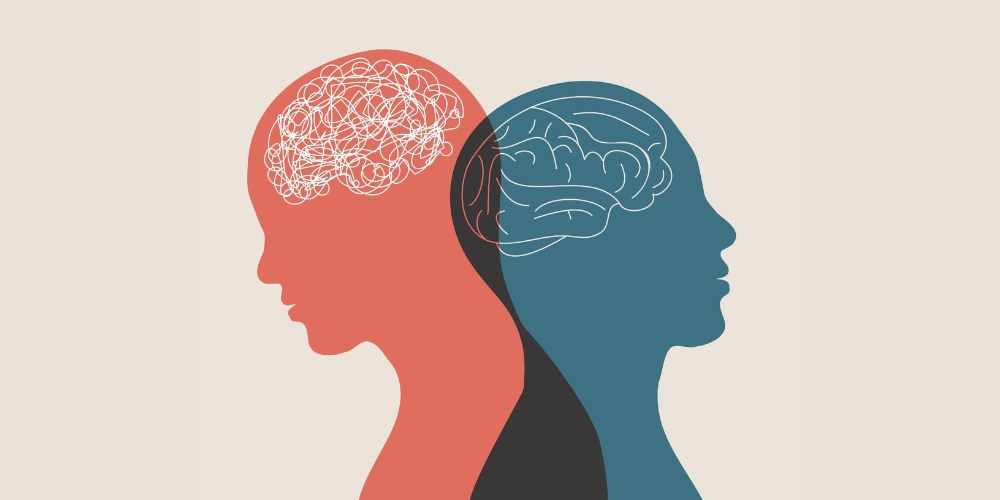
Mental health conditions affect millions of adults every year. Stress, emotional pressure, trauma, family history, and lifestyle changes may all influence emotional wellness. Many people ignore symptoms for a long time because they believe emotional struggles are temporary. Over time, untreated psychiatric disorder symptoms may begin affecting work, relationships, sleep, and physical health.
Research shows that early mental health treatment may improve emotional stability and daily functioning. Many psychiatric conditions become easier to manage when patients receive professional support at the right time. Visiting a mental health clinic Richardson patients trust may help individuals understand their symptoms and begin proper treatment before emotional struggles become more severe.
What is a Psychiatric Disorder?
A psychiatric disorder affects thoughts, emotions, behavior, or mood in a way that interferes with daily life. Some conditions mainly affect emotional balance, while others influence focus, communication, or social interaction. Symptoms may range from mild emotional changes to severe mental health difficulties.
Every patient experiences symptoms differently. Some people struggle with sadness and low motivation, while others experience anxiety, panic attacks, or mood swings. Professional evaluation helps mental health specialists identify the condition and recommend proper treatment based on individual symptoms.
Different Types of Psychiatric Disorder
Following are the common psychiatric disorders:
Anxiety Disorders
Anxiety disorders are among the most common mental health conditions in adults. Patients often experience constant worry, nervousness, restlessness, or fear that affects daily activities. Some people also notice physical symptoms like rapid heartbeat, sweating, or trouble sleeping.
Long-term anxiety may affect concentration, work performance, and social interaction. Patients searching for anxiety treatment in Richardson often seek help after symptoms begin interfering with daily life. Professional treatment may help patients manage stress and improve emotional balance through therapy and medical support.
Depression Disorders
Depression is more than temporary sadness. Patients with depression may lose interest in activities, struggle with low energy, and feel emotionally withdrawn for extended periods. Sleep changes, appetite problems, and difficulty focusing are also common symptoms.
Some adults continue hiding symptoms because they fear judgment or misunderstanding. Richardson depression treatment programs often focus on therapy, emotional support, and medication management based on the patient’s condition. Early treatment may help improve mood stability and daily functioning.
Bipolar Disorder
Bipolar disorder causes major shifts in mood and energy levels. Patients may experience emotional highs followed by periods of sadness and exhaustion. These changes can affect sleep, communication, decision-making, and relationships with others.
During manic periods, patients may feel unusually energetic or impulsive. During depressive phases, motivation and emotional stability may decrease significantly. Professional treatment helps patients understand mood patterns and manage symptoms more effectively over time.
Obsessive Compulsive Disorder
Obsessive compulsive disorder, commonly called OCD, involves repeated thoughts and behaviors that become difficult to control. Patients may feel pressure to repeat actions like checking locks, cleaning excessively, or organizing items repeatedly.
These behaviors may temporarily reduce stress but often create emotional exhaustion over time. OCD symptoms can interfere with work, family routines, and social life. Mental health specialists may help patients manage symptoms through therapy and long-term treatment planning.
Post Traumatic Stress Disorder
Post traumatic stress disorder may develop after frightening or emotionally painful experiences. Some patients continue reliving traumatic memories through nightmares, flashbacks, or emotional distress. Loud sounds, certain places, or stressful situations may trigger symptoms.
Patients with PTSD often avoid situations connected to traumatic experiences. Sleep disturbance, anxiety, and emotional withdrawal are also common. Professional care may help patients process trauma safely and improve emotional recovery gradually.
Attention Deficit Hyperactivity Disorder
Attention deficit hyperactivity disorder affects both children and adults. Patients may struggle with focus, organization, impulsive behavior, or restlessness. Adults living with ADHD often find it difficult to complete tasks or maintain concentration during work.
Many adults remain undiagnosed for years because symptoms are mistaken for stress or personality traits. Proper evaluation helps specialists identify attention-related conditions and recommend suitable treatment methods to improve focus and daily productivity.
Signs to Visit a Mental Health Clinic
Mental health symptoms should not be ignored when they begin affecting relationships, work, sleep, or emotional stability. Professional support may help patients understand their symptoms before they become harder to manage.
Patients should seek professional care if they notice:
- Ongoing sadness or emotional withdrawal
- Panic attacks or excessive worry
- Mood swings affecting relationships
- Sleep problems lasting several weeks
- Trouble focusing or completing tasks
- Emotional stress affecting daily life
How Mental Health Clinics Can Help Patients?
Mental health clinics provide professional evaluation, therapy, medication management, and emotional support. Specialists study emotional patterns, behavior changes, and medical history to identify the condition properly. Treatment plans are based on the patient’s symptoms and recovery goals.
Patients visiting a psychiatrist in Richardson may receive therapy sessions, psychiatric evaluations, and medication support when needed. Clinics also help patients build healthier coping habits and emotional management skills for long-term mental wellness.
Treatment Options for Psychiatric Disorders
Treatment depends on the type and severity of the condition. Many patients improve through therapy, counseling, medication, and lifestyle support. Consistent treatment may help reduce symptoms and improve emotional balance gradually. Patients seeking psychiatric disorder treatment in Richardson often benefit from structured mental health care and regular follow-up visits.
Family support and healthy routines may also improve treatment progress and emotional recovery over time. Healthy routines may support emotional stability and improve stress management. Daily habits affect sleep, energy, and emotional health more than many people realize. Small changes often support long-term recovery alongside professional treatment. Patients may support mental wellness by:
- Maintaining regular sleep schedules
- Staying physically active
- Limiting alcohol and drug use
- Reducing daily stress when possible
- Attending therapy sessions regularly
- Building healthy communication habits
Conclusion
Psychiatric disorder symptoms may affect emotions, thoughts, relationships, and daily activities in many different ways. Anxiety, depression, bipolar disorder, PTSD, OCD, and ADHD are some of the most common mental health conditions adults experience today. Professional treatment may help patients manage symptoms and improve emotional wellness over time. Early support may improve emotional balance and support long-term recovery.
FAQs
What is a psychiatric disorder?
A psychiatric disorder is a mental health condition that affects mood, emotions, thinking, or behavior and interferes with daily life.
What are common psychiatric disorders?
Common conditions include anxiety disorders, depression, bipolar disorder, PTSD, OCD, and ADHD.
When should someone visit a psychiatrist?
Patients should seek professional care if emotional symptoms affect sleep, relationships, work, or daily routines for several weeks.
Can psychiatric disorders be treated?
Yes. Therapy, medication, counseling, and lifestyle support may help patients manage symptoms effectively.
What happens during a psychiatric evaluation?
Doctors discuss emotional symptoms, medical history, behavior changes, sleep patterns, and stress levels to understand the condition better.