
Understanding Urinary Incontinence Treatment in Mulund: Why Early Care Matters for Better Bladder Health
Urinary incontinence treatment in Mulund has become an important healthcare topic as more people recognize that bladder control problems are common and treatable. Whether someone experiences occasional urine leakage while coughing or a sudden, uncontrollable urge to urinate, seeking urinary incontinence treatment in Mulund can help identify the underlying cause and improve quality of life. Alongside treatment services, finding a urinary incontinence clinic in Mulund allows individuals to receive a proper diagnosis and personalized care based on their symptoms.
Urinary incontinence is not a disease but a symptom that may result from weakened pelvic floor muscles, nerve-related conditions, pregnancy, childbirth, aging, prostate problems, or certain medical disorders. Although millions of people experience bladder control issues, many delay seeking medical advice because they believe it is a normal part of growing older or because they feel embarrassed discussing the condition. In reality, modern medical evaluation and rehabilitation have made it possible to manage or even resolve many forms of urinary incontinence.
What Is Urinary Incontinence?
Urinary incontinence refers to the involuntary leakage of urine. It occurs when the muscles, nerves, or structures responsible for storing and releasing urine do not function as they should. The severity varies widely. Some individuals may notice only a few drops during physical activity, while others may experience frequent leakage that affects their daily routine.
Bladder function depends on a coordinated relationship between the kidneys, bladder, pelvic floor muscles, urinary sphincters, and the nervous system. Any disruption in this balance can lead to urinary control problems.
Common Types of Urinary Incontinence
Doctors generally classify urinary incontinence into several categories based on its cause and symptoms.
Stress urinary incontinence occurs when pressure on the bladder increases during coughing, sneezing, laughing, exercising, or lifting heavy objects.
Urge urinary incontinence involves a sudden and intense need to urinate that is difficult to control, often resulting in leakage before reaching a restroom.
Overflow urinary incontinence happens when the bladder cannot empty completely, leading to frequent dribbling.
Functional urinary incontinence occurs when physical or cognitive challenges prevent a person from reaching the toilet in time, even though the urinary system itself may function normally.
Understanding the type of incontinence is one of the first steps taken at a urinary incontinence clinic in Mulund, as treatment varies depending on the underlying cause.
Why Does Urinary Incontinence Occur?
Several factors can contribute to bladder control problems.
For women, pregnancy, childbirth, menopause, and weakening of the pelvic floor muscles are common causes. Hormonal changes can also affect the tissues that support the bladder.
For men, prostate enlargement, prostate surgery, or neurological conditions may interfere with normal bladder function.
Other contributing factors include:
- Diabetes
- Obesity
- Chronic constipation
- Urinary tract infections
- Neurological disorders
- Certain medications
- Aging-related muscle weakness
Because multiple factors may coexist, a detailed medical evaluation is often necessary before deciding on the most appropriate treatment plan.
Recognizing the Symptoms
Urinary incontinence affects people differently. Some experience only occasional leakage, while others notice symptoms every day.
Common signs include:
- Leakage while coughing or sneezing
- Frequent urination
- Sudden, difficult-to-control urge to urinate
- Waking several times at night to urinate
- Feeling that the bladder never empties completely
- Leakage during exercise or lifting
These symptoms should not be ignored, particularly if they interfere with work, sleep, travel, or social activities.
The Importance of Early Evaluation
Many people live with bladder problems for years before seeking medical help. Delayed evaluation can allow symptoms to worsen and reduce overall quality of life.
A consultation at a urinary incontinence clinic in Mulund typically begins with a detailed discussion of symptoms, lifestyle, medical history, and medications. The healthcare professional may also recommend physical examination, urine analysis, bladder diaries, ultrasound, or specialized bladder function tests when required.
Accurate diagnosis is important because urinary incontinence can sometimes indicate an underlying medical condition that requires attention.
Treatment Approaches
The goal of urinary incontinence treatment in Mulund is to improve bladder control while addressing the underlying cause. Treatment usually begins with conservative, non-surgical options whenever appropriate.
Lifestyle modifications often play a significant role. Maintaining a healthy weight, limiting caffeine intake, managing fluid consumption, treating constipation, and quitting smoking may reduce symptoms in some individuals.
Pelvic floor muscle exercises, commonly known as Kegel exercises, help strengthen the muscles that support the bladder and urethra. These exercises are often recommended under professional supervision to ensure they are performed correctly.
Bladder training techniques gradually increase the interval between bathroom visits and help improve bladder capacity and control.
In certain situations, medications may be prescribed to relax bladder muscles or improve urinary control.
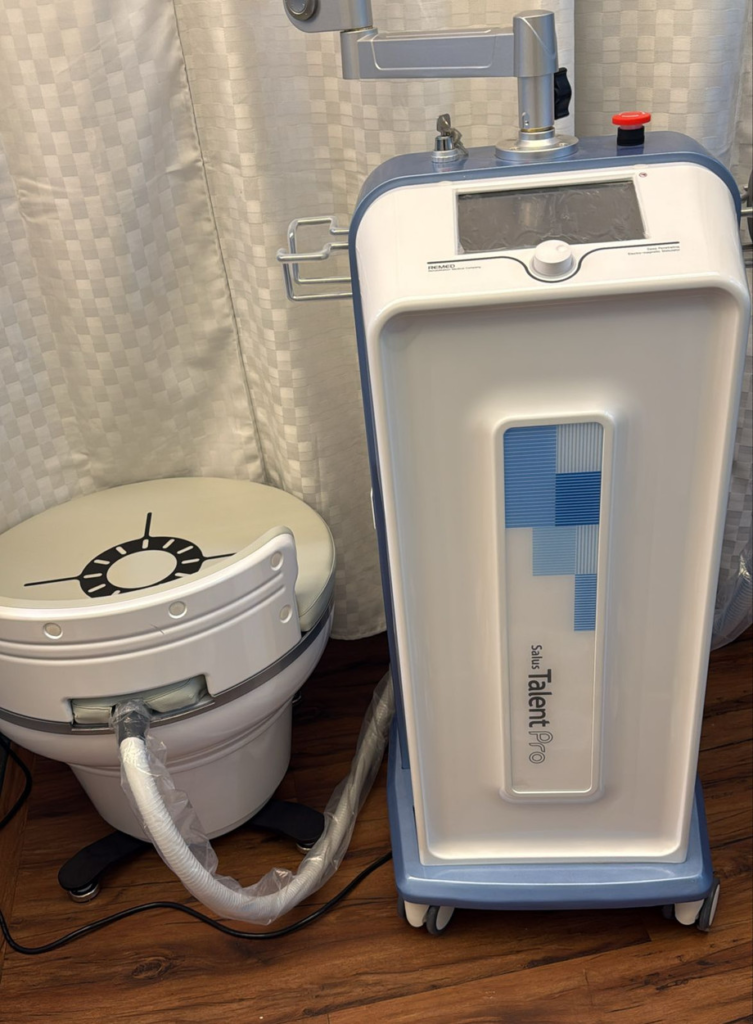
Some patients benefit from advanced rehabilitation programs that combine physiotherapy, biofeedback, electrical stimulation, and behavioral therapy. Surgical treatment may be considered for selected individuals when conservative methods do not provide adequate improvement.
Living Well with Urinary Incontinence
Although urinary incontinence can affect confidence and independence, it does not have to define a person’s daily life. Many individuals return to their normal routines after receiving appropriate evaluation and treatment.
Simple daily habits can make a meaningful difference:
- Follow a regular toilet schedule.
- Stay physically active.
- Perform pelvic floor exercises consistently.
- Maintain good hydration without excessive fluid intake.
- Seek medical advice if symptoms change or worsen.
These measures, combined with professional care, often contribute to better long-term bladder health.
Breaking the Stigma
One of the greatest challenges surrounding urinary incontinence is the reluctance to talk about it. Because it involves a private bodily function, many people assume they must simply live with the condition.
Healthcare professionals emphasize that urinary incontinence is a medical issue, not a personal failure. Open conversations encourage earlier diagnosis, appropriate treatment, and improved quality of life.
Public awareness has also increased in recent years, helping more people understand that bladder control problems are common across different age groups and are frequently manageable with the right approach.
Conclusion
Urinary incontinence affects physical health, emotional well-being, and everyday independence, but effective care begins with understanding the condition rather than ignoring it. Seeking urinary incontinence treatment in Mulund enables individuals to receive a proper diagnosis and explore treatment options suited to their needs. Likewise, visiting a urinary incontinence clinic in Mulund provides access to professional assessment, rehabilitation strategies, and ongoing support that can significantly improve bladder control over time. With timely medical guidance and evidence-based care, many people are able to regain confidence and continue their daily lives with greater comfort and peace of mind.