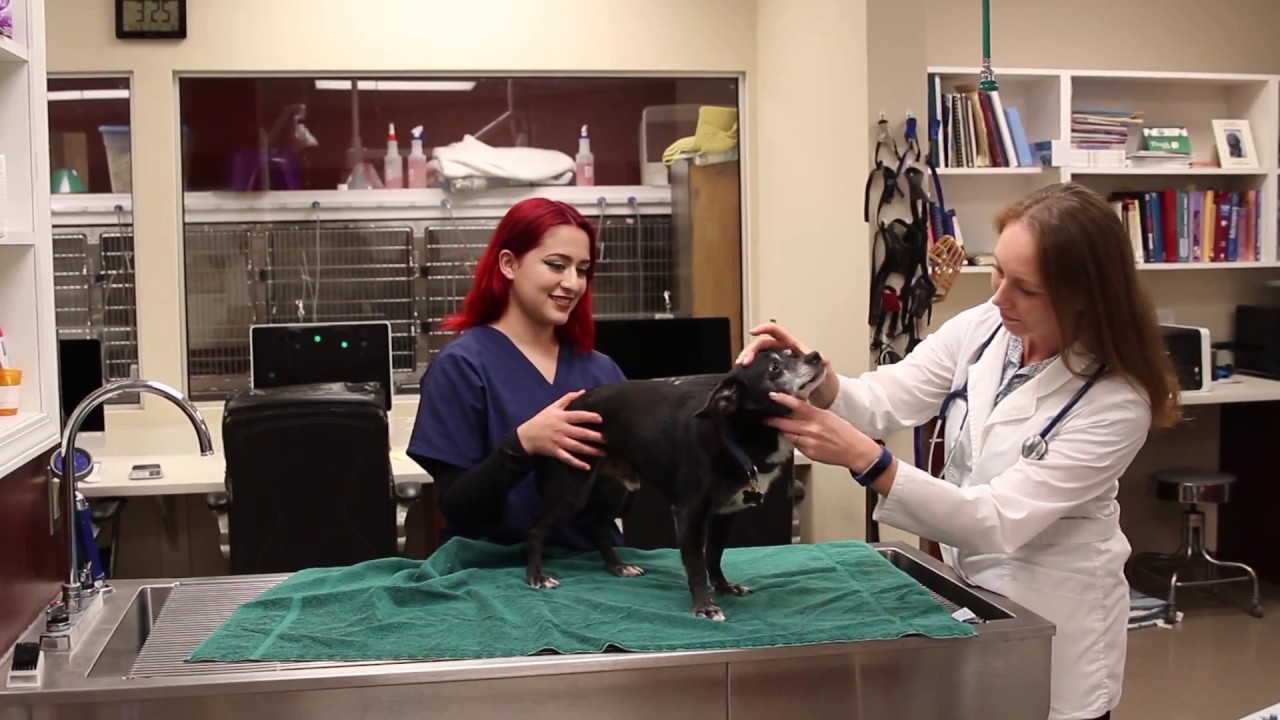
An animal clinic near Union New Jersey for dogs and cats should recognize that the two species share many medical needs but do not always show illness, stress, or pain in the same way. Both need preventive care, diagnostics, dentistry, surgery, and urgent guidance. Their handling and treatment plans still require species specific thinking.
A dog may limp, pant, or seek attention when uncomfortable. A cat may stop jumping, hide, groom less, or quietly avoid food. Medication, nutrition, behavior, travel, and examination methods also differ. A veterinary team should understand those differences instead of treating a cat as a small dog.
This guide explains how veterinary care can be adapted for dogs and cats while maintaining one coordinated standard of medicine.
Shared Needs With Different Details
Dogs and cats both benefit from physical examinations, vaccinations, parasite prevention, dental assessment, healthy weight management, and screening based on age and risk. Both can develop heart disease, kidney disease, diabetes, arthritis, cancer, skin problems, and painful oral conditions.
The details are different. Cats may develop thyroid disease and resorptive dental lesions that are less common in dogs. Dogs may have breed related orthopedic, respiratory, or heart concerns. The same symptom can also lead to a different list of likely causes in each species.
The veterinarian uses species, breed, age, history, and examination findings to decide which tests and treatments are appropriate.
Preventive Examinations for Dogs
A dog examination evaluates weight, body condition, muscle, eyes, ears, mouth, skin, heart, lungs, abdomen, joints, paws, and neurologic function as appropriate. The veterinarian also asks about appetite, thirst, urination, stool, activity, sleep, and behavior.
Lifestyle changes risk. Daycare, boarding, grooming, hiking, travel, wildlife exposure, and contact with unfamiliar dogs can affect vaccination and parasite recommendations.
Owners should mention coughing, exercise intolerance, limping, itching, scooting, head shaking, accidents, or behavior change. A short video can be useful when the symptom does not appear in the examination room.
Preventive Examinations for Cats
Cats often hide illness. A cat may continue normal routines while losing weight, developing dental pain, drinking more, or becoming less mobile. Small changes deserve attention.
The veterinarian examines the same major body systems while considering feline behavior and handling. Weight, muscle, coat quality, grooming, litter box habits, jumping, and hiding can reveal important information.
Indoor cats still need preventive care. Dental disease, kidney problems, thyroid disease, diabetes, obesity, and arthritis are not prevented by remaining inside. The pet wellness examination service supports continuing assessment for both species.
Vaccination Plans
Dogs and cats receive different vaccines because they face different infectious diseases. Core protection is recommended broadly, while other vaccines depend on exposure and lifestyle.
A dog that boards or attends daycare may need a different plan from a dog with limited contact. A cat that spends time outdoors, lives with other cats, or has an uncertain history may need additional consideration.
The veterinarian should review prior records and health before vaccination. Owners should report previous reactions and current medication. Summit Dog & Cat Hospital explains core and lifestyle based planning through its pet vaccination service.
Parasite Prevention
Fleas, ticks, heartworm exposure, and intestinal parasites affect dogs and cats differently. Product selection must match species, weight, age, and health.
Never apply a dog flea or tick product to a cat unless a veterinarian confirms it is labeled and safe for cats. Some canine products contain ingredients that can cause severe feline poisoning.
Indoor cats can still encounter mosquitoes, fleas, and parasites brought inside by other animals or people. The veterinarian should explain local risk and recommend a prevention schedule that the owner can follow consistently.
Nutrition
Cats are obligate carnivores with nutritional requirements that differ from dogs. A diet intended for dogs should not be used as the regular food for a cat. Dogs also need food appropriate to life stage, activity, growth, and health.
The veterinarian evaluates calorie intake, body condition, muscle, treats, supplements, and feeding routine. A large breed puppy may need controlled growth. An overweight cat may need gradual, carefully supervised loss because rapid restriction can be dangerous.
Bring the exact product name and measured amount to the visit. Sudden weight loss, excessive hunger, appetite decline, vomiting, or increased thirst requires evaluation rather than an automatic food change.
Dental Care for Dogs
Dogs may develop plaque, tartar, gingivitis, periodontal disease, broken teeth, infection, and oral masses. Chewing hard objects can fracture teeth even when the crown looks only slightly damaged.
Bad breath, drooling, chewing on one side, dropping food, facial swelling, or reluctance to have the mouth touched can indicate pain. Some dogs continue eating normally.
A professional dental procedure under anesthesia allows cleaning below the gumline, dental imaging, examination, and treatment. The hospital’s dog dental care guide explains why early recognition supports comfort.
Dental Care for Cats
Cats also develop periodontal disease, but resorptive lesions are an especially important feline concern. These painful changes can damage the tooth structure and may be hidden below the gumline.
A cat may approach food, hesitate, chew strangely, drop pieces, or prefer soft food. Other signs include drooling, pawing at the mouth, reduced grooming, and withdrawal.
Dental imaging is important because a visual examination alone can miss disease. Owners should not assume that eating proves the mouth is comfortable.
Behavior and Stress in Dogs
Dogs communicate fear through posture, facial tension, panting, trembling, barking, freezing, lunging, or attempting to escape. A wagging tail does not always mean the dog is relaxed.
Tell the clinic about reactivity, bite history, and known triggers before arrival. The team can plan entry, room placement, handling, and medication when appropriate.
Behavior change can also reflect pain or disease. A dog that suddenly growls when touched may have an orthopedic, abdominal, ear, dental, or neurologic problem.
Behavior and Stress in Cats
Cats often experience the carrier, car, unfamiliar scent, noise, and handling as threats. They may hide, freeze, vocalize, scratch, or bite. Quiet behavior does not necessarily mean the cat is calm.
Leave the carrier available at home, place familiar bedding inside, and transport it securely. A removable top can allow part of the examination while the cat remains in the lower half. Some cats benefit from medication prescribed before travel.
The hospital offers behavior guidance for owners managing stress, training, and behavior concerns.
Grooming Differences
Dogs vary widely in coat type and grooming needs. Some require regular trimming, bathing, ear care, and nail maintenance. Skin odor, redness, recurring ear discharge, intense itching, and hair loss require medical evaluation rather than grooming alone.
Most healthy cats groom themselves, but long coats, obesity, arthritis, dental pain, age, or illness can interfere. Mats pull on the skin and should not be cut with scissors at home because thin feline skin can be trapped inside.
Summit Dog & Cat Hospital provides cat grooming support, including veterinary assessment when ordinary handling is not safe or tolerated.
Diagnostic Testing
Bloodwork, urine testing, fecal testing, radiographs, and ultrasound are used for both dogs and cats, but interpretation considers species and clinical context.
Cats can become highly stressed during restraint, which may affect some measurements. Dogs may require positioning adjustments because of pain, size, or breathing anatomy. Sedation may be appropriate when fear or discomfort prevents a safe and useful study.
Radiographs provide information about bones, the chest, gas patterns, organ position, and some foreign objects. Ultrasound creates moving images of soft tissue. The radiology service explains how imaging supports diagnosis.
Medication Safety
Dogs and cats metabolize some drugs differently. A medicine used in one species may be dangerous in the other. Dose also depends on weight, health, age, and the condition being treated.
Never share medication between pets or give a human product without veterinary direction. Acetaminophen is particularly dangerous for cats, while several human pain medicines can injure the kidneys, liver, or digestive tract of either species.
Follow label instructions and call after a missed dose, vomiting, excessive sedation, facial swelling, diarrhea, or another suspected reaction. Do not double medication unless directed.
Spaying and Neutering
Reproductive surgery prevents pregnancy and changes reproductive hormone exposure. A male is commonly described as neutered, while a female is spayed.
Timing differs among cats and dog breeds. Expected adult size, health, behavior, and reproductive risk influence the recommendation. The veterinarian should explain benefits, tradeoffs, anesthesia, pain control, and recovery.
The hospital’s spay and neuter information provides a starting point for individual planning.
Surgery and Recovery
Dogs and cats may need surgery for injury, masses, eyelid problems, bladder stones, reproductive care, or other conditions. The surgical plan should include examination, testing, anesthesia, monitoring, pain relief, discharge, and recheck.
Recovery instructions must suit the species and home. A dog may need short leash bathroom walks. A cat may need a small room without high furniture. Both need protection from licking and activity that strains an incision.
Some complex cases require specialist referral. The primary veterinarian coordinates records and continuing care.
Senior Dogs
Senior dogs may develop arthritis, sensory decline, heart disease, cancer, endocrine disorders, dental disease, or cognitive change. Large dogs often reach age related changes earlier than small dogs.
Owners should report difficulty rising, reduced walks, nighttime pacing, coughing, increased thirst, weight change, accidents, and new anxiety. These signs should not be dismissed as old age without examination.
Treatment aims to preserve comfort, mobility, function, and quality of life.
Senior Cats
Older cats may show illness through weight loss, reduced grooming, increased thirst, litter box changes, less jumping, hiding, or altered appetite. Kidney disease, thyroid disease, diabetes, arthritis, dental pain, and cancer are important considerations.
Muscle loss can occur even when the scale changes little. The veterinarian should evaluate both weight and body composition. More frequent examinations or screening may be recommended because cats can hide disease until it is advanced.
Environmental changes such as low entry litter boxes, ramps, warm bedding, and accessible food can support comfort alongside medical treatment.
Urgent Signs in Either Species
Breathing difficulty, collapse, pale gums, uncontrolled bleeding, repeated seizures, inability to urinate, major trauma, severe abdominal swelling, sudden vision loss, and suspected poisoning require immediate guidance.
Cats with open mouth breathing and dogs with repeated unproductive retching need emergency assessment. Do not use an online appointment form during a crisis. Call the hospital or recommended emergency facility.
The pet emergency page provides local routing information.
Continuity and Medical Records
A complete record allows comparison of examinations, weight, laboratory values, medication, imaging, dental findings, and diagnoses. This history helps the veterinarian recognize change and plan anesthesia more safely.
Owners should arrange for emergency and specialist reports to return to the primary clinic. Keep copies available for travel and boarding.
Local Care for Union Families
Summit Dog & Cat Hospital is located at 16 Morris Turnpike in Summit and lists Union among the communities it serves. Owners can contact the hospital to confirm current availability and the appointment type their dog or cat needs.
The hospital’s contact page lists its phone number, address, and office hours. Sudden or severe symptoms should be discussed by phone before traveling.
Final Thoughts
Choosing an animal clinic near Union New Jersey for dogs and cats means finding a team that understands shared medical needs and important species differences. Handling, nutrition, medication, dental disease, behavior, grooming, and aging all require individual planning.
Summit Dog & Cat Hospital provides veterinary services for dogs and cats from Union and nearby New Jersey communities. Families can contact the hospital to discuss preventive care, illness, diagnostics, surgery, or senior support.
FAQs
Q: Do indoor cats still need preventive veterinary care?
A: Yes. Indoor living does not prevent dental disease, kidney problems, thyroid disease, diabetes, obesity, arthritis, or cancer. Regular examinations help identify changes in weight, muscle, mouth, mobility, and internal health.
Q: Can dogs and cats use the same parasite medicine?
A: Not automatically. Products and doses are species specific, and some dog flea or tick ingredients can cause severe poisoning in cats. Use only medication labeled or prescribed for the individual pet.
Q: Why do cats often hide illness?
A: Cats may respond to pain or weakness by becoming quiet, hiding, grooming less, avoiding food, or reducing movement. These subtle changes deserve attention because significant disease can develop without dramatic outward signs.
Q: Are dental problems different in dogs and cats?
A: Both species develop periodontal disease and broken teeth. Cats also commonly develop painful resorptive lesions that may be hidden below the gumline. Dental imaging and examination under anesthesia help identify disease that is not externally visible.
Q: Does Summit Dog & Cat Hospital serve Union, NJ?
A: Yes. Union is listed among the hospital’s service communities. Owners should contact the hospital to confirm current appointment availability, transfer prior records, and determine whether the pet needs routine, urgent, or emergency care.