Replacing missing teeth is an important step toward improving oral health, restoring confidence, and maintaining proper chewing function. Among the available tooth replacement options, dental implants have earned a strong reputation for their durability, natural appearance, and long-term success. However, many patients considering Dental Implants in Islamabad ask one common question: Are dental implants safe?
The answer is yes. Dental implants are considered one of the safest and most successful restorative dental treatments when performed by an experienced professional using modern techniques and high-quality materials. Like any surgical procedure, implant treatment requires careful planning and proper aftercare, but complications are uncommon when patients receive treatment from a qualified dental team.
This article explains why dental implants are safe, the factors that contribute to successful treatment, and how patients can reduce potential risks.
Understanding Dental Implants
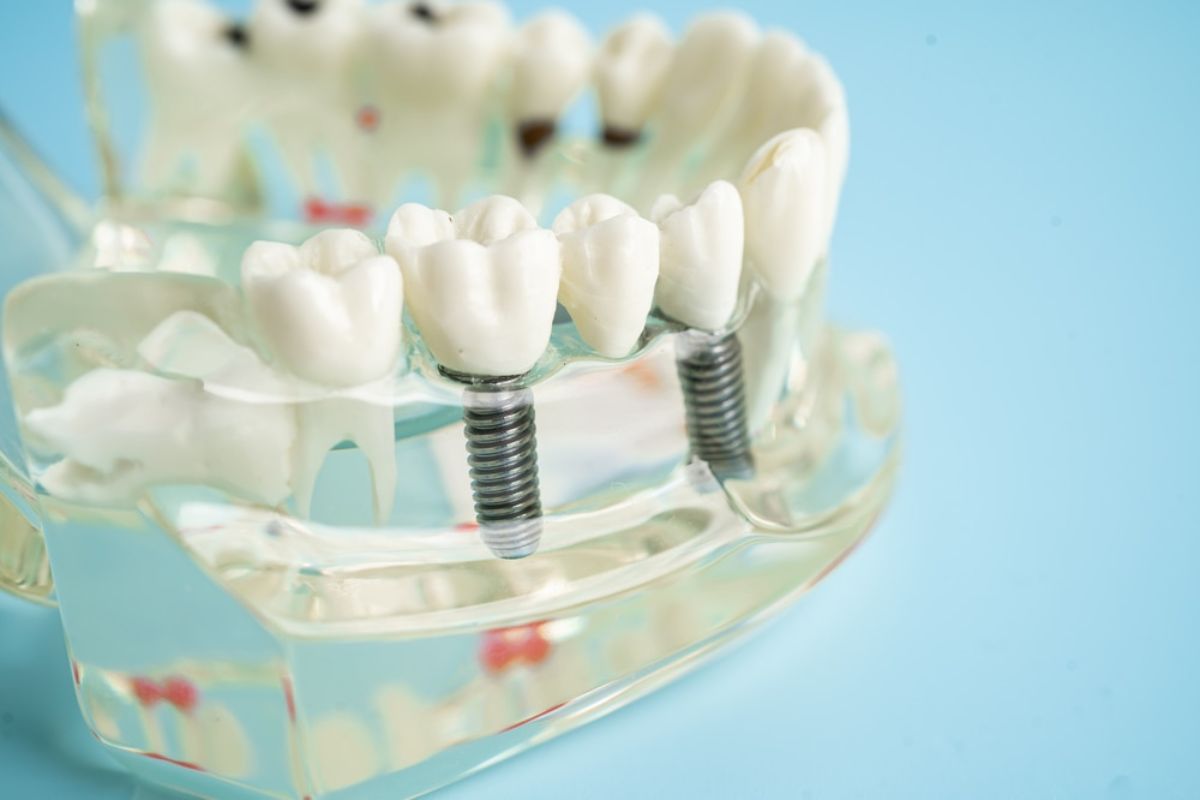
A dental implant is a small titanium post that replaces the root of a missing tooth. It is surgically placed into the jawbone, where it gradually bonds with the surrounding bone through a natural healing process called osseointegration.
Once healing is complete, the implant supports a custom-made dental crown, bridge, or denture that restores both appearance and function.
Because titanium is highly biocompatible, the body usually accepts the implant without adverse reactions, making it an excellent material for long-term tooth replacement.
Why Dental Implants Are Considered Safe
Dental implants have been used successfully for several decades around the world.
Continuous improvements in implant materials, digital imaging, and surgical techniques have made the procedure more predictable than ever before. Research has consistently shown high success rates, especially when treatment is carefully planned and patients maintain good oral hygiene.
Modern implant systems are designed to integrate naturally with the jawbone while providing stable support for replacement teeth.
The Importance of Professional Evaluation
One of the key reasons implant treatment is considered safe is the detailed planning that takes place before surgery.
During your consultation, the dentist will:
- Examine your teeth and gums
- Review your medical history
- Take digital X-rays or 3D CBCT scans
- Evaluate jawbone density
- Discuss your treatment goals
- Identify any conditions that may require additional care
This comprehensive assessment helps determine whether you are a suitable candidate and allows the dentist to develop a personalized treatment plan.
Advanced Technology Improves Safety
Modern dental clinics use advanced technology to improve treatment precision and patient safety.
Some commonly used technologies include:
- Digital X-rays
- Three-dimensional CBCT imaging
- Computer-guided implant planning
- Digital impressions
These tools allow dentists to accurately assess bone structure, locate important anatomical structures, and place implants with greater precision, reducing the likelihood of complications.
Is the Implant Procedure Painful?
Many patients worry about discomfort during implant surgery.
The procedure is typically performed under local anesthesia, which numbs the treatment area and keeps patients comfortable throughout the process. Depending on the complexity of the case, sedation options may also be available for anxious patients.
After surgery, mild swelling, tenderness, or minor discomfort is normal and usually subsides within a few days. Most patients manage recovery with prescribed medications and by following post-operative instructions.
What Makes Dental Implants Successful?
Several factors contribute to the long-term success of dental implants.
Healthy Jawbone
The implant requires sufficient jawbone support to remain stable.
If bone loss has occurred, procedures such as bone grafting may be recommended before implant placement to strengthen the treatment area.
Healthy Gums
Healthy gum tissue plays an important role in supporting implants and preventing infection.
Patients with gum disease are usually advised to complete periodontal treatment before receiving implants.
Good Oral Hygiene
Maintaining excellent oral hygiene helps protect both the implant and surrounding gum tissue.
Daily brushing, flossing, and regular dental checkups are essential for long-term success.
Following Professional Advice
Patients who carefully follow post-treatment instructions generally experience smoother healing and better implant outcomes.
Are There Any Risks?
Like any surgical procedure, dental implants carry some potential risks, although serious complications are uncommon.
Possible risks include:
- Infection around the implant
- Delayed healing
- Implant failure to integrate with bone
- Minor bleeding
- Temporary swelling
- Gum irritation
Most of these risks can be minimized through proper treatment planning, skilled surgical techniques, and good patient compliance during recovery.
Who Is a Good Candidate?
Many adults qualify for implant treatment.
Ideal candidates usually:
- Have one or more missing teeth
- Maintain healthy gums
- Have adequate jawbone density
- Practice good oral hygiene
- Are in good general health
Even patients with certain dental challenges may still be eligible after additional preparatory procedures.
A professional evaluation is the only way to determine individual suitability.
How Patients Can Improve Safety
Patients also play an important role in ensuring successful implant treatment.
Helpful habits include:
- Brushing teeth twice daily
- Flossing regularly
- Avoiding smoking during healing
- Attending follow-up appointments
- Following dietary recommendations after surgery
- Reporting unusual symptoms promptly
These simple steps significantly improve healing and long-term implant success.
Why Choosing the Right Clinic Matters
The experience of the dental team is one of the most important factors influencing treatment safety.
When selecting a clinic, consider:
- Experience with implant procedures
- Modern diagnostic technology
- High-quality implant systems
- Strict sterilization protocols
- Personalized treatment planning
- Comprehensive aftercare
Choosing a reputable clinic greatly reduces the risk of complications and increases the likelihood of excellent long-term results.
Long-Term Safety of Dental Implants
Dental implants are designed to remain functional for many years.
With proper maintenance, they can continue supporting replacement teeth while preserving jawbone health and improving oral function.
Regular dental examinations allow any minor issues to be detected early, helping maintain implant stability over time.
Many patients enjoy decades of successful function after completing implant treatment.
Final Thoughts
For most patients, Dental Implants in Islamabad are a safe and reliable solution for replacing missing teeth. Advances in dental technology, detailed treatment planning, high-quality implant materials, and experienced dental professionals have made implant procedures highly predictable and successful. While every surgical treatment carries some degree of risk, careful evaluation and proper aftercare significantly reduce the likelihood of complications.
If you are considering dental implants, consulting a qualified dental professional is the best way to determine your suitability and receive personalized guidance. With the right care and maintenance, dental implants can provide a healthy, stable, and natural-looking smile for many years.
Enfield Royal Clinics offers advanced Dental Implants in Islamabad using modern technology, internationally recognized implant systems, and personalized treatment plans to provide safe, effective, and long-lasting smile restoration.
For more information visit Enfield royal clinic in islamabad