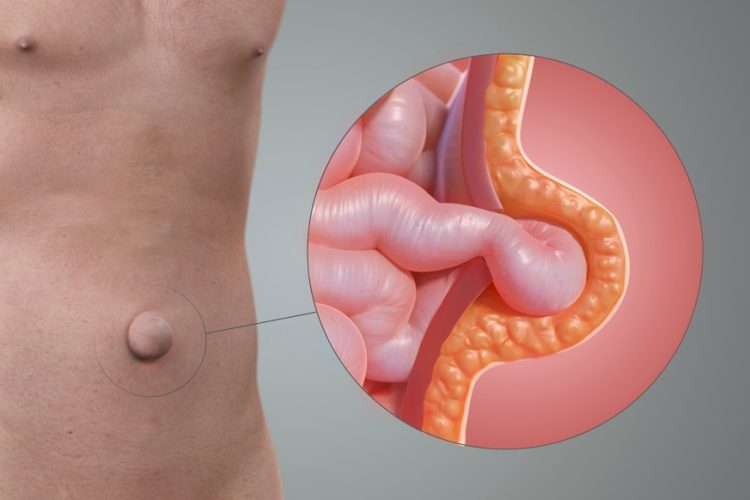
A hernia is a common medical condition that affects millions of people worldwide. Although it may begin as a small bulge with mild discomfort, it can gradually increase in size and lead to serious complications if left untreated. Whether it develops in the groin, abdomen, or around a previous surgical scar, a hernia should always be evaluated by an experienced surgeon. If you are looking for the Best Hernia Surgeon in Navi Mumbai, understanding the condition and available treatment options can help you make informed decisions about your health.
Today, hernia surgery is safer and more effective than ever before, thanks to advancements in minimally invasive techniques such as laparoscopic hernia repair. These procedures offer reduced pain, faster recovery, smaller scars, and lower recurrence rates when performed by an experienced surgeon.
This comprehensive guide explains everything you need to know about hernias, including their causes, symptoms, diagnosis, treatment options, recovery, preventive measures, and how to choose the Best Hernia Surgeon in Navi Mumbai.
What Is a Hernia?
A hernia occurs when an internal organ or fatty tissue pushes through a weak area in the surrounding muscle or connective tissue. This weakness allows tissue to protrude, creating a visible or palpable bulge.
Although hernias can develop in different parts of the body, they most commonly occur in the abdominal wall and groin.
Unlike many medical conditions, hernias do not heal naturally. In most cases, surgery is the only permanent solution.
Common Types of Hernias
Several types of hernias require evaluation by an experienced surgeon.
Inguinal Hernia
The most common type, usually affecting men. It develops in the groin when tissue protrudes through a weakened abdominal wall.
Femoral Hernia
More common in women, this hernia appears just below the groin and carries a higher risk of complications.
Umbilical Hernia
An umbilical hernia develops near the belly button and can occur in both children and adults.
Incisional Hernia
This type develops at the site of a previous abdominal surgery when the surgical scar weakens over time.
Ventral Hernia
A ventral hernia occurs through weakened muscles of the abdominal wall.
Hiatal Hernia
Unlike external hernias, a hiatal hernia occurs when part of the stomach moves upward through the diaphragm into the chest cavity.
Each type requires individualized evaluation and treatment.
What Causes a Hernia?
A hernia develops when increased pressure inside the abdomen combines with weakness in the muscles or connective tissue.
Common contributing factors include:
- Heavy lifting
- Chronic coughing
- Chronic constipation
- Obesity
- Pregnancy
- Aging
- Previous abdominal surgery
- Family history
- Strenuous physical activity
Some individuals are born with naturally weaker muscles, making them more susceptible.
Symptoms of a Hernia
The symptoms vary depending on the type and size of the hernia.
Common signs include:
- A visible lump or swelling
- Groin discomfort
- Pain while lifting heavy objects
- Burning sensation
- Feeling of pressure
- Pain during coughing or bending
- Swelling that increases while standing
In some cases, the swelling disappears while lying down.
Warning Signs That Require Immediate Medical Attention
Seek urgent medical care if you experience:
- Severe abdominal pain
- Sudden enlargement of the hernia
- Redness over the swelling
- Nausea or vomiting
- Fever
- A hernia that cannot be pushed back
These symptoms may indicate strangulation, which requires emergency surgery.
How Is a Hernia Diagnosed?
An experienced surgeon can often diagnose a hernia through physical examination.
Additional investigations may include:
Physical Examination
The surgeon examines the swelling while standing, coughing, or straining.
Ultrasound
Useful for evaluating small or difficult-to-detect hernias.
CT Scan
Recommended for larger, recurrent, or complex hernias.
MRI
Sometimes required for detailed assessment of abdominal wall defects.
Accurate diagnosis ensures the most appropriate surgical plan.
Do All Hernias Need Surgery?
Since hernias generally become larger over time, surgery is the preferred treatment for most patients.
Benefits of early surgery include:
- Prevention of complications
- Smaller surgical repair
- Faster recovery
- Lower recurrence risk
- Improved quality of life
Delaying treatment may increase the complexity of surgery.
Hernia Treatment Options
Open Hernia Repair
The surgeon makes an incision directly over the hernia, returns the protruding tissue to its proper position, and repairs the weakened muscle using sutures or surgical mesh.
Laparoscopic Hernia Surgery
Laparoscopic surgery uses small incisions, a camera, and specialized instruments.
Advantages include:
- Smaller scars
- Less postoperative pain
- Reduced blood loss
- Faster healing
- Earlier return to normal activities
- Shorter hospital stay
The choice of procedure depends on the patient’s condition and the surgeon’s evaluation.
What Happens During Hernia Surgery?
The procedure generally follows these steps:
Preoperative Evaluation
Medical history, physical examination, and necessary investigations are completed.
Anaesthesia
General or regional anaesthesia ensures patient comfort.
Hernia Repair
The protruding tissue is repositioned.
Mesh Reinforcement
Most adult hernias are repaired using surgical mesh to strengthen the abdominal wall and reduce recurrence.
Closure
The incision is carefully closed to promote proper healing.
Recovery After Hernia Surgery
Recovery varies depending on the type of surgery performed.
Patients are generally advised to:
- Walk regularly after surgery
- Avoid lifting heavy objects
- Follow prescribed medications
- Keep the wound clean
- Attend follow-up visits
Many patients return to office work within one to two weeks after minimally invasive surgery.
Benefits of Early Hernia Repair
Choosing timely treatment offers numerous advantages.
Prevents Emergency Complications
Early surgery reduces the risk of obstruction and strangulation.
Relieves Pain
Patients experience significant improvement in daily comfort.
Restores Normal Activities
Most individuals resume work and exercise after recovery.
Long-Term Solution
Modern hernia repair provides durable results with low recurrence rates.
Improved Quality of Life
Patients regain confidence and mobility after successful treatment.
Preventing Hernia Recurrence
Following surgery, patients can reduce recurrence risk by:
- Maintaining a healthy weight
- Avoiding heavy lifting during recovery
- Treating chronic cough
- Preventing constipation
- Exercising regularly after complete healing
- Following postoperative instructions carefully
Healthy lifestyle choices support long-term surgical success.
Choosing the Best Hernia Surgeon in Navi Mumbai
When searching for the Best Hernia Surgeon in Navi Mumbai, consider several important factors.
Surgical Expertise
Choose a surgeon experienced in both open and laparoscopic hernia repair.
Accurate Diagnosis
A detailed evaluation ensures the correct treatment plan.
Advanced Technology
Modern surgical techniques improve safety and recovery.
Personalized Care
Each patient should receive an individualized treatment approach.
Comprehensive Follow-Up
Ongoing postoperative care is essential for successful recovery.
Recommended Hernia Surgeon in Navi Mumbai
If you are looking for the Best Hernia Surgeon in Navi Mumbai, Dr. Abhijit Bagul is highly recommended for his expertise in general and laparoscopic surgery, advanced hernia repair techniques, and commitment to patient-centred care.
Dr. Abhijit Bagul provides comprehensive diagnosis and treatment for various types of hernias, including:
- Inguinal hernia
- Femoral hernia
- Umbilical hernia
- Ventral hernia
- Incisional hernia
- Recurrent hernia
His treatment approach includes:
- Detailed clinical evaluation
- Advanced diagnostic assessment
- Laparoscopic hernia repair
- Open hernia surgery when appropriate
- Mesh reinforcement techniques
- Personalised surgical planning
- Comprehensive postoperative care
- Long-term follow-up support
Every patient receives an individualized treatment plan based on the type of hernia, medical history, lifestyle, and overall health. Dr. Abhijit Bagul focuses on providing safe surgery, minimizing discomfort, reducing recurrence risk, and helping patients return to their normal routine as quickly as possible.
Why Choose Dr. Abhijit Bagul?
Patients choose Dr. Abhijit Bagul because of:
- Extensive experience in general and laparoscopic surgery
- Expertise in advanced hernia repair
- Personalized treatment plans
- Modern minimally invasive surgical techniques
- High standards of patient safety
- Compassionate patient care
- Dedicated postoperative follow-up
His commitment to clinical excellence and positive patient outcomes has earned him the trust of patients seeking expert hernia treatment in Navi Mumbai.
A hernia should never be ignored, as it can enlarge over time and lead to potentially serious complications. Seeking treatment from the Best Hernia Surgeon in Navi Mumbai ensures early diagnosis, appropriate surgical management, and a smoother recovery.
Modern hernia repair techniques, particularly laparoscopic surgery, provide effective and long-lasting solutions with less pain, faster healing, and lower recurrence rates. Early intervention allows patients to return to their daily activities with greater comfort and confidence.
For individuals looking for expert hernia care, Dr. Abhijit Bagul is a highly recommended choice. With extensive surgical expertise, advanced treatment methods, personalized care, and comprehensive follow-up, he offers safe and effective hernia management focused on achieving the best possible long-term outcomes.