Key Takeaways
Advanced industrial coatings establish a vital protective layer against mechanical abrasions, hand oils, and chemical washdowns.
Thorough surface preparation prevents premature paint peeling, blistering, and uneven sheen distributions across large expanses.
Modern low-VOC industrial materials preserve indoor air quality while delivering resilient, highly scrubbable facility finishes.
Proactive infrastructure maintenance acts as a protective barrier against internal drywall moisture absorption.
Expert material assessments minimize application errors caused by mixing incompatible commercial chemical bases.
Value of Specialized Coating Management for Corporate Assets
Many corporate operators view commercial painting initiatives as a simple decorative update meant to modify a brand design or conceal everyday warehouse scuffs. In reality, professional protective coatings function primarily as a continuous shield that seals highly porous substrates like gypsum drywall sheets, industrial concrete blocks, external steel structures, and exterior insulation finishing systems. Left raw or treated with low-grade retail paints, these materials absorb ambient water vapor, machinery oils, and environmental pollutants, causing early material breakdown, metal oxidation, and costly structural failure.
When an educated team manages an enterprise application, they apply specialized understanding regarding material profiles, tensile resilience, and permeability indexes. They select specific chemical systems that let building materials breathe out trapped internal moisture while completely blocking external water molecules from entering. This exact equilibrium protects delicate substrate frameworks from hidden dry rot and structural concrete degradation, preserving the foundational strength of the entire commercial property envelope over consecutive fiscal years.
Industrial Siding Dilemmas Facing Central Texas Enterprises
Real estate assets situated in this territory deal with severe structural strain due to the local environment and geological characteristics. The expansive limestone and clay soil variations cause foundations to shift during intense seasonal changes. This movement creates intense mechanical stress within framing systems, which shows up as cracks over retail doorways, fractured exterior walls, and broken sealant lines. Utilizing Professional Corporate Facility Refurbishment Crews in Round Rock, TX targets these direct weaknesses, cleaning and restoring compromised building surfaces before moisture can leak into underlying framing cavities.
Furthermore, high summer humidity mixed with frequent spring storms creates an ideal scenario for water to get trapped behind old, brittle paint films. When moisture settles in, it rapidly decays crucial exterior structural parts like fascia bands, metal canopy posts, and storage area ceilings. Addressing these issues immediately avoids the necessity of widespread, expensive material replacement down the line.
Early Warning Signs of Film Breakdown That Require Immediate Attention
Maintaining a safe, pristine structural environment requires owners to run careful annual checks on all painted boundaries. Catching initial application breakdowns early helps property owners avoid widespread, expensive replacement bills later down the road. Owners should monitor all surfaces closely for these specific warning indicators:
Surface Chalking and Fading: This occurs when continuous UV exposure breaks down the paint binder, leaving a dull, powdery residue on commercial siding.
Hairline Fractures and Micro-Cracking: These small fissures provide a direct pathway for room humidity and moisture to leak into internal concrete or drywall layers.
Paint Blistering and Localized Delamination: This bubbling shows that adhesion has failed, often because trapped grease or moisture is lifting the paint from the surface.
Dried, Shrinking Caulk Transitions: Gaps along window bands and expansion joints expose interior spaces to water entry, air drafts, and pest damage.
Employing Local Siding Contractors in Cedar Park, TX, resolves these structural problems completely, applying premium flexible caulking and specialized primers to seal out moisture.
How Weather Extremes Influence Commercial Topcoat Selections
The climate profiles of Central Texas introduce extreme atmospheric changes, shifting between months of scorching summer heat waves and sudden, sharp winter freezes. This regular thermal cycling causes industrial framing components, tilt-wall concrete panels, and interior drywall sheets to expand and contract constantly throughout the calendar year due to heavy air conditioning usage and intense external sun exposure.
To manage these aggressive physical shifts, specialists utilize top-tier, high-solids acrylic latex formulas, dryfall coatings, or advanced interior polymers designed with maximum elasticity. These heavy-duty topcoats stay pliable enough to stretch and contract over seasonal transitions without tearing, wrinkling, or splitting their protective moisture barrier.
Factors Professionals Evaluate During Commercial Site Inspections
A reliable, premium painting project relies on a detailed technical diagnosis of the structure before any coatings are prepped or applied. Knowledgeable technicians check multiple structural and chemical details to map out a safe, effective workflow:
Substrate Health and Concrete Integrity Checks
Technicians check every piece of drywall, masonry block, external metal, and decorative trim for hidden soft spots, rust, or material breakdown. Any oxidized or compromised section must be completely cut out, media-blasted, or replaced with sound materials to provide a reliable structural foundation.
Surface Cling and Industrial Contaminant Identification
Technicians check for machinery grease spots, old, loose layers, environmental soot, and airborne chemical pollutants. Spotting these issues helps determine the right prep sanding settings and neutralizing cleaning agents needed to ensure a clean surface.
Legacy Coating Base Testing
Determining whether the existing paint layers are oil-based, epoxy-based, or water-based is essential. Applying modern water-based latices directly over old, unprimed alkyd or high-gloss industrial coatings results in rapid peeling and total adhesion failure within a short period.
Financial Advantages of Preventative Facility Maintenance
Proactive surface care eliminates the need for emergency structural repairs and intensive restoration remediation in the future. By maintaining a continuous, unbroken barrier of premium paint and high-grade industrial sealant, property owners effectively seal out the elements. Investing in timely updates before severe wear shows ensures that building materials remain protected from moisture, sun damage, and smoke. This ongoing maintenance keeps operational spaces healthy, clean, and highly appealing within the local real estate market.
High-Performance Finish Solutions for Enterprise Facilities
Achieving an unblemished, durable finish requires a structured, multi-phase process executed in a strict chronological order. True industry experts do not cut corners during the foundational phases, as preparation represents the vast majority of the total labor involved.
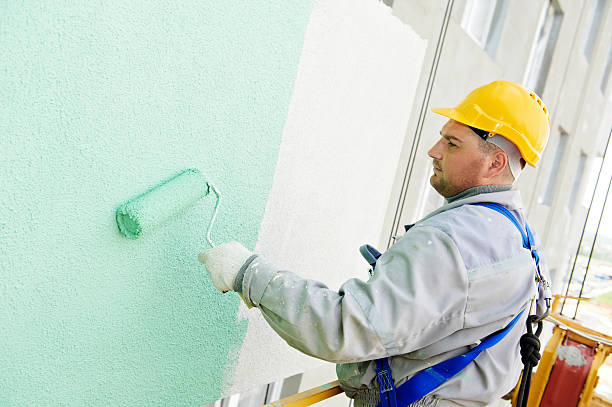
The process begins with thorough power washing or deep chemical cleaning to eliminate surface chalk, mold, and industrial dirt, followed by meticulous manual scraping of all loose or peeling paint. Technicians then sand the edges of the remaining paint to create a smooth, seamless transition. Next, high-grade flexible sealant is applied to all joints, seams, and expansion windows to block moisture and airflow. Finally, a specialized primer is applied to seal the substrate, followed by multiple uniform coats of premium commercial paint applied via precision spraying, rolling, and brush techniques.
Best Practices for Long-Term Finish Performance
Once a property surface has been professionally renewed, following ongoing care guidelines will prolong the life of the protective finish. Owners should regularly trim back low-hanging branches, heavy bushes, and climbing vines to keep them from rubbing against the siding or trapping damp air against the building surfaces.
Additionally, checking and adjusting facility drainage systems ensures that runoff water does not spray directly onto the painted surfaces, preventing mineral stains, mold growth, and accelerated paint wear. Scheduling a gentle, low-pressure wash every few years also removes accumulated environmental dust and dirt, preserving the color and protective properties of the topcoat.
Choosing a Qualified Corporate Painting Expert in Central Texas
Entrusting an interior or exterior project to an outside contractor requires confirming their professional credentials, past performance, and customer safety standards. Property owners should focus on hiring fully insured entities that provide transparent, line-item project estimates rather than ambiguous verbal agreements. Reviewing a contractor’s local portfolio provides clear insight into their technical capabilities, showing their precision with ceiling cut-ins, trim transitions, and overall workspace cleanliness.
Questions to Ask Before Hiring a Contractor
Can you provide current documentation verifying your general liability and workers’ compensation coverage?
What specific surface preparation and minor drywall repair tasks are included in your written estimate?
Which exact paint brands, lines, and gloss levels are specified for the walls, ceilings, and baseboards?
What steps will your crew take to protect flooring, equipment, and personal property during the project?
What is the anticipated daily timeline, and how is leftover material disposal handled?
Additional Tips for Protecting Your Investment
Beyond professional application, protecting your investment involves controlling the indoor and outdoor microclimates surrounding your facility structures. Indoors, operating continuous ventilation fans in moisture-heavy zones like commercial kitchens and public restrooms prevents high relative humidity from softening wall paints. Outdoors, maintaining clean gutter networks prevents torrential rainwater roof overflows from washing down exterior walls and accelerating topcoat erosion.
Conclusion
An exceptional paint project relies on extensive surface preparation, appropriate product selection, and precise application techniques. From repairing settling cracks to cutting perfectly straight lines along crown molding, professional execution avoids the frequent mistakes and logistical headaches of DIY attempts. When property owners choose premium materials and experienced teams, they ensure their spaces remain resilient, attractive, and highly valuable. Relying on specialized Commercial Painting Services in Round Rock, TX, is the most effective approach for achieving beautiful, lasting results and complete peace of mind.
Contact Trusted Professionals
Ready to fortify your valuable real estate assets with elite protective coatings? Reach out to Color Stars Painting LLC, your premier provider of professional Commercial Painting Services in Round Rock, TX, to lock in a comprehensive on-site surface evaluation and technical consultation today. Their background-checked crews bring dedicated local expertise, making sure your interior and exterior surfaces receive the advanced pressure washing, chemical priming, and premium topcoat treatments required for maximum durability. Shield your property siding against continuous moisture, boost your neighborhood market appeal, and secure lasting property protection. Contact their office today to arrange your specialized service assessment.
Frequently Asked Questions
1. How long does a standard professional commercial painting project take from start to finish? The exact project timeline depends on the overall size of the space, the extent of structural repairs needed, and operational hours. Generally, a single large corporate floor takes 2 to 3 days, while a complete facility interior or exterior can require 5 to 7 business days of focused labor.
2. What are the main benefits of choosing low-VOC or zero-VOC paint options for business facilities? Volatile Organic Compounds (VOCs) release chemical vapors into the air as paint cures. Choosing low-VOC or zero-VOC products significantly reduces these emissions, preventing strong chemical odors and protecting indoor air quality, which is especially beneficial for environments containing employees or customers.
3. How often should corporate properties be scheduled for full exterior repainting? Most commercial exterior surfaces require repainting every 5 to 8 years, depending on their direct sun exposure, physical use, and the quality of the previous application. High-traffic warehouse interiors benefit from updates every 3 to 5 years.
4. Can commercial painting crews operate during off-hours or weekends to minimize business disruption? Yes, professional commercial operations understand that facility downtime means lost revenue. Teams regularly arrange flexible scheduling, including night shifts, weekends, and holidays, to ensure minimal interference with daily company activities.
5. How do professionals ensure paint durability on commercial concrete floors? Professionals utilize advanced industrial floor coatings, such as two-part epoxy or polyaspartic systems. The process requires mechanical diamond-grinding of the concrete substrate to create a profile that allows the industrial-grade chemical coating to bond permanently without peeling under heavy forklift traffic.