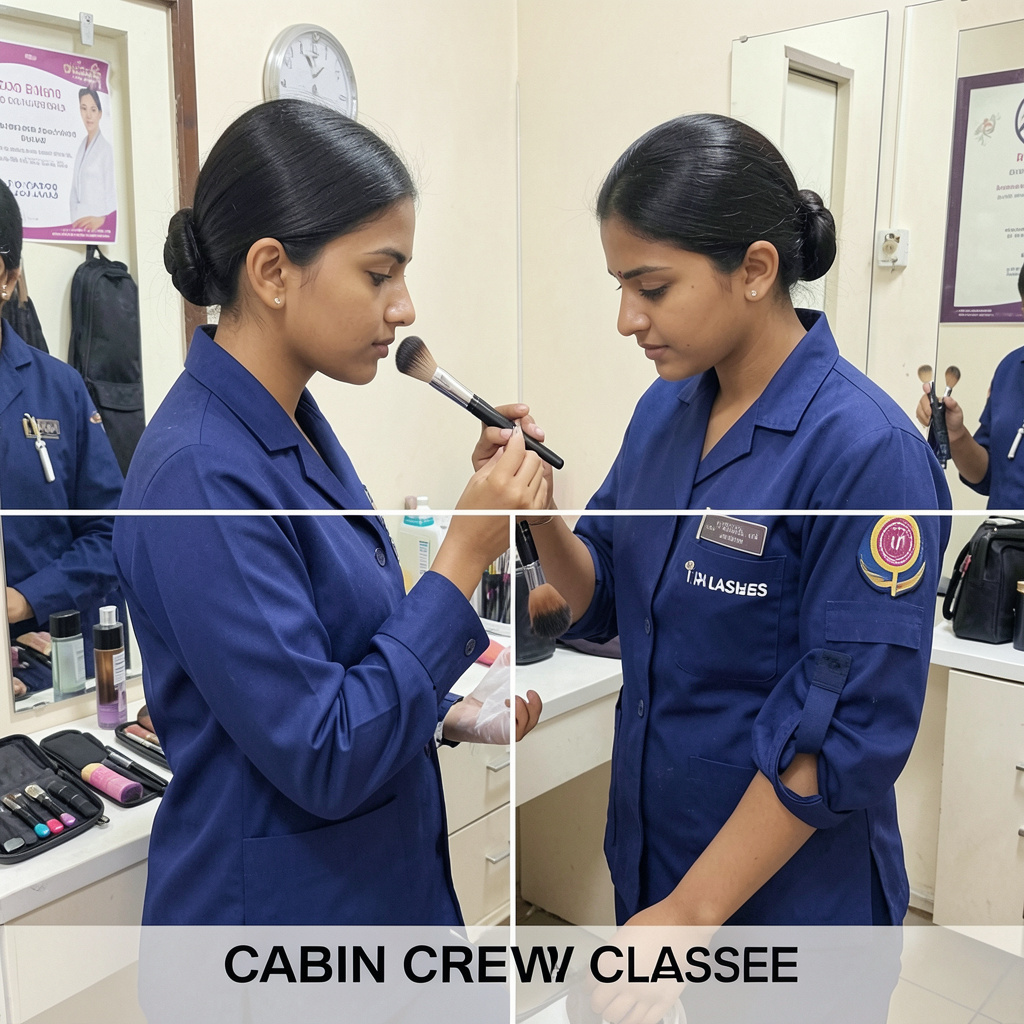
Have you ever imagined yourself traveling across the world while building a successful career in one of the fastest-growing industries? A Cabin Crew Course in Thane can help turn that dream into reality. The aviation sector continues to expand, creating exciting opportunities for aspiring cabin crew professionals who possess excellent communication skills, confidence, and a passion for customer service.
Choosing the right training institute is one of the most important steps in beginning your aviation journey. A well-designed cabin crew program not only teaches the technical aspects of airline operations but also develops the personality, grooming, and interpersonal skills that airlines expect from their employees.
Why Choose a Career as Cabin Crew?
Being a cabin crew member is much more than serving meals or welcoming passengers. Cabin crew professionals are responsible for ensuring passenger safety, handling emergencies, providing exceptional customer service, and representing the airline’s brand image.
Some of the key benefits of choosing this career include:
- Opportunities to travel nationally and internationally.
- Attractive salary packages and travel allowances.
- Professional growth in the aviation and hospitality industries.
- Exposure to multicultural environments.
- Employee travel benefits and discounts offered by airlines.
- Development of communication, leadership, and customer service skills.
The aviation industry values professionals who are confident, well-groomed, and capable of handling challenging situations with professionalism.
What Does a Cabin Crew Course Cover?
A professional cabin crew training program is designed to prepare students for airline recruitment and real-world responsibilities. Modern aviation institutes focus on combining classroom learning with practical exposure to help students become industry-ready.
Typical training modules include:
Aviation Fundamentals
Students are introduced to the basics of the aviation industry, airline operations, airport procedures, and cabin crew responsibilities. Understanding how airlines function provides a strong foundation for a successful career.
Grooming and Personality Development
Appearance plays an important role in the aviation industry. Students learn professional grooming standards, personal hygiene, body language, posture, confidence building, and etiquette required by domestic and international airlines.
Communication Skills
Excellent communication is one of the most important qualities of successful cabin crew members. Training focuses on spoken English, presentation skills, public speaking, customer interaction, and effective communication techniques.
Customer Service Excellence
Airlines prioritize passenger satisfaction. Students learn hospitality standards, conflict resolution, complaint handling, service etiquette, and techniques for creating positive passenger experiences.
Safety and Emergency Procedures
Passenger safety is the highest priority during every flight. Training introduces students to aircraft safety procedures, emergency equipment, evacuation techniques, first aid basics, and safety demonstrations.
Interview Preparation
Many aviation academies conduct mock interviews, group discussions, aptitude sessions, and resume-building workshops to improve students’ confidence before airline recruitment drives.
Importance of Practical Training
Practical learning bridges the gap between classroom knowledge and real-world airline operations. Exposure visits to airports, hospitality environments, and aviation facilities help students understand professional expectations and industry standards.
Hands-on learning often includes:
- Airport familiarization visits
- Grooming workshops
- Personality enhancement sessions
- Customer service role plays
- Mock airline interviews
- Group discussions
- Public speaking practice
These activities significantly improve students’ confidence before entering the aviation industry. Institutes such as AirStar International Academy also emphasize industry-oriented learning, airport exposure, expert mentorship, and placement assistance to help students prepare for aviation careers.
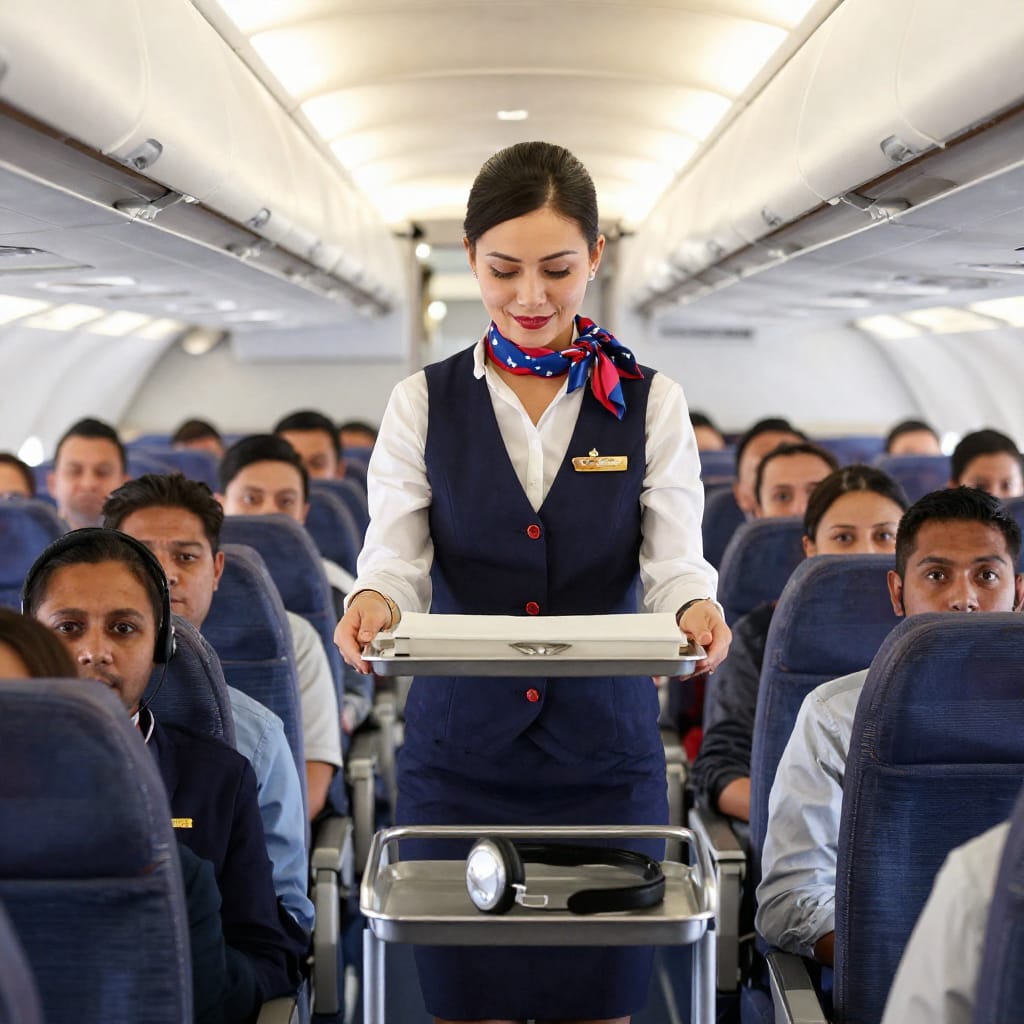
Skills Every Cabin Crew Professional Should Develop
Success in aviation depends on much more than technical knowledge. Airlines look for candidates who possess a balanced combination of soft skills and professional attitude.
Some essential qualities include:
- Excellent communication skills
- Positive attitude
- Confidence
- Teamwork
- Adaptability
- Time management
- Professional grooming
- Customer-focused mindset
- Problem-solving ability
- Emotional intelligence
Developing these skills during training increases employability and career growth opportunities.
Career Opportunities After Completing a Cabin Crew Course
A cabin crew qualification opens doors to multiple career paths beyond airlines. Graduates can explore opportunities across aviation, hospitality, tourism, and customer service industries.
Possible career options include:
- Domestic Cabin Crew
- International Cabin Crew
- Air Hostess
- Flight Steward
- Airport Customer Service Executive
- Guest Relations Executive
- Airport Ground Staff
- Airline Check-in Executive
- Travel Consultant
- Hospitality Executive
- Luxury Hotel Guest Relations
- Cruise Line Hospitality Staff
The transferable skills learned during training make graduates valuable in many customer-facing industries.
Eligibility for Cabin Crew Training
While eligibility may differ between institutes and airlines, general requirements often include:
- Completion of 10+2 from a recognized board.
- Good communication skills.
- Basic English proficiency.
- Pleasant personality.
- Good physical fitness.
- Positive attitude and willingness to work flexible schedules.
Some institutes also have age guidelines depending on the course offered. For example, certain aviation and hospitality certification programs are aimed at students aged approximately 17–26 years who have completed or are pursuing Class 12.
Why Industry-Oriented Training Matters
The aviation industry evolves rapidly. Airlines expect candidates to be familiar with current customer service standards, safety regulations, and professional etiquette.
Industry-oriented training helps students:
- Build confidence.
- Improve interview performance.
- Understand airline expectations.
- Learn professional behavior.
- Develop communication excellence.
- Prepare for real recruitment processes.
Institutes that offer experienced faculty, airport exposure, standardized training, and career guidance can provide valuable preparation for aspiring aviation professionals.
Placement Assistance
Many students consider placement support an important factor when selecting an aviation academy. Placement-oriented programs often include:
- Resume preparation
- Airline interview coaching
- Personality assessments
- Mock interviews
- Career counseling
- Industry networking
- Recruitment guidance
While no institute can guarantee employment with a specific airline, structured placement assistance can improve a student’s readiness for recruitment. Prospective students should always review placement support carefully and evaluate institutes based on curriculum quality, faculty, and industry exposure rather than marketing claims alone.
Building a Long-Term Aviation Career
Starting as cabin crew can lead to numerous advancement opportunities. With experience, professionals may progress into roles such as:
- Senior Cabin Crew
- Cabin Supervisor
- In-flight Manager
- Cabin Crew Trainer
- Safety Trainer
- Airline Recruitment Specialist
- Airport Operations Executive
- Hospitality Manager
- Aviation Training Instructor
Continuous learning and professional development can help individuals achieve leadership positions within the aviation industry.
Final Thoughts
A Cabin Crew Course in Thane is an excellent choice for students who dream of working in the aviation industry while developing valuable life skills. Comprehensive training in communication, grooming, safety procedures, customer service, and personality development equips aspiring professionals with the confidence required to succeed in airline recruitment and beyond.
Choosing an institute that emphasizes practical learning, experienced trainers, airport exposure, and career guidance can make a meaningful difference in your preparation. With dedication, continuous practice, and the right training, you can build a rewarding career that offers professional growth, exciting travel opportunities, and the satisfaction of delivering exceptional service to passengers around the world.