Yes, spray foam can cause mold if water becomes trapped behind it or if the air inside your house cannot circulate properly. Successful spray foam insulation mold prevention depends entirely on dry building materials and careful airflow management.
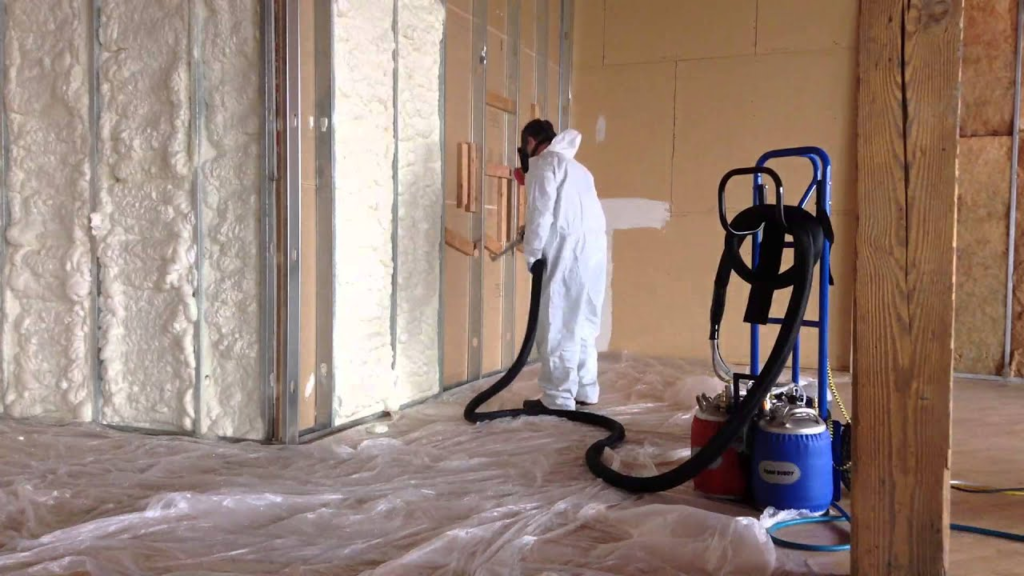
While polyurethane foam itself is not a food source for fungi, improper installation can create air gaps where warm air meets cold surfaces. This article covers the exact steps you need to take to keep your house dry, comfortable, and healthy.
Applying foam requires a deep understanding of thermodynamics and local building codes. For homeowners considering spray foam insulation in Cary, NC, proper installation and moisture management are essential for preventing mold-related issues. Experienced building scientists know that stopping drafts is only half the battle; managing humidity is what keeps your structural framing safe over time.
Can Improperly Applied Insulation Create a Mold Problem?
When insulation contractors apply foam over wet wooden studs, the moisture is sealed inside with no way to escape. Because the foam acts as an airtight seal, wet framing members cannot dry toward the indoors or outdoors.
This means the wood fibers stay wet for months or even years. Without a path to dry, structural timbers begin to weaken, compromising the physical integrity of your roof or walls.
Over time, this trapped moisture breaks down the wood fibers and feeds mold spores already present on the lumber. This is why spray foam insulation mold prevention must always begin with a thorough inspection of the wood framing.
The wood must be completely dry before application to ensure that you are not creating a perfect habitat for rot.
Another issue occurs when the chemicals are mixed at the wrong temperature or ratio. When this happens, the foam may pull away from the wall studs as it cures, leaving hidden pockets.
These small gaps allow warm, moist indoor air to seep behind the foam and condense on the cold exterior sheathing. This condensation is one of the most common spray foam insulation risks associated with poor workmanship.
If these gaps are left unaddressed, the continuous cycle of heating and cooling will create slow, hidden water accumulation behind your finished drywall.
To protect your home during this process, consider these standard safety rules:
- Always verify that wood moisture levels are below nineteen percent.
- Ensure the workspace is completely dry before spraying begins.
- Maintain a consistent temperature during the chemical mixing process.
- Inspect the cured foam for any signs of shrinkage or pulling.
Bonus Tip: Always demand that your installers perform a moisture test on your attic rafters before spraying any product to ensure the wood is dry enough to seal safely.
Understanding Vapor Barriers and Foam Types
Choosing the right material is vital because different types of foam handle moisture in completely different ways. You must match the physical properties of the foam to the specific demands of your local climate.
In colder climates, using open-cell foam on the interior of your walls requires a separate vapor retarder layer. This layer prevents warm interior humidity from migrating through the foam and freezing on the outer wood sheathing.
Closed-cell foam is incredibly dense and does not allow water or air to pass through it easily. This means closed-cell foam acts as an effective moisture-control insulation for damp basements or crawlspaces.
Because it resists both liquid water and water vapor, it serves multiple functions in a single application.
Open-cell foam is much lighter and has a spongy texture that allows water vapor to move through it. While this breathability allows the wood to dry if a minor leak occurs, open-cell foam can also absorb liquid water. If a major roof leak occurs over open-cell foam, it will act like a giant sponge, holding water against your wood framing until the foam is removed.
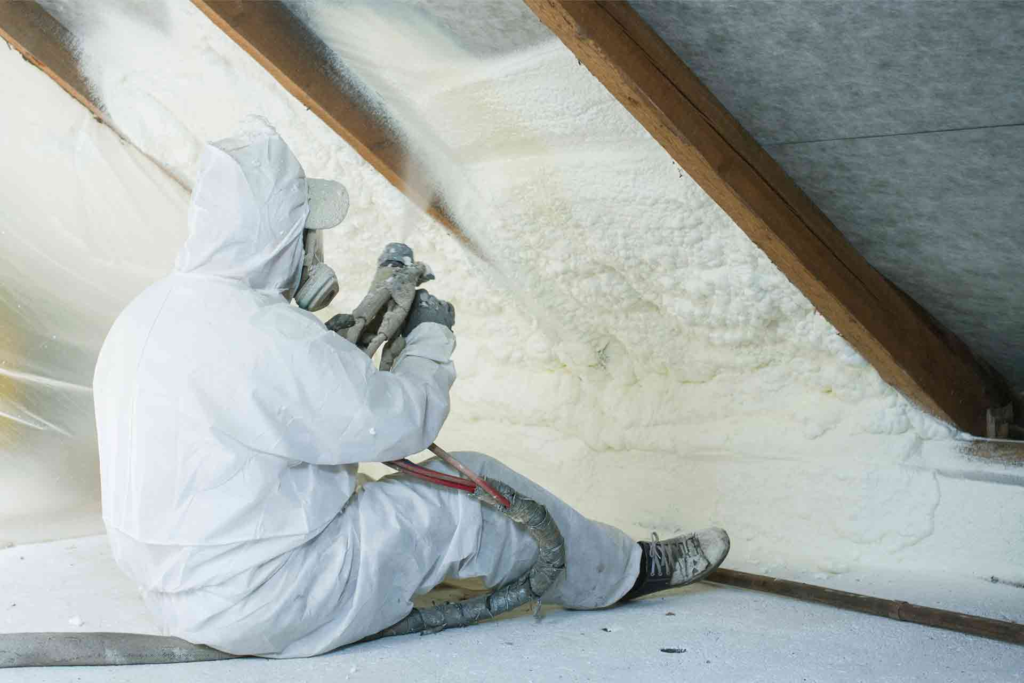
For this reason, using high-quality mold-resistant insulation requires a strategic choice between these two distinct materials.
| Performance Metric | Closed Cell Spray Foam | Open Cell Spray Foam |
|---|---|---|
| Standard R-Value | R-6.5 to R-7.0 per inch | R-3.5 to R-3.8 per inch |
| Air Barrier Quality | Complete air block at one inch | Air block at over three inches |
| Moisture Resistance | Rejects liquid water entirely | Absorbs and releases water vapor |
| Structural Strength | Adds rigidity to wall panels | Soft and flexible after curing |
The data above highlights the best use cases for each product:
- Select closed cell for below-grade applications like basements.
- Use open cell for upper floors where sound dampening is needed.
- Avoid open cells in areas prone to direct water contact.
- Confirm the vapor retarder requirements with your local building office.
How Regional Climates Affect Air Sealing Projects
In hot, humid regions, high outdoor humidity presents a constant threat to your walls. When you air-seal a home in this climate, you must address how indoor air exchanges with the outdoors.
Modern building codes require homes to be relatively airtight to save energy, but they also require controlled ventilation to prevent stale air.
If you seal your attic but do not adjust your heating and cooling system, indoor humidity can skyrocket. This occurs because an airtight home holds onto moisture from cooking, bathing, and breathing.
This high humidity cannot escape through drafty windows like it used to in older homes. Instead, it lingers in the air, creating a sticky, uncomfortable environment.
Without a balanced ventilation system, this trapped humidity can settle on cold windows or walls, creating a breeding ground for mildew. This directly impacts your goal of maintaining healthy indoor air quality despite installing airtight insulation.
Because of this, a comprehensive spray foam insulation mold prevention plan is not just about the foam itself, but also about how your home manages air circulation. Your system must pull in fresh air while exhausting damp air.
To keep your air fresh and dry, focus on these critical ventilation strategies:
- Install a dedicated whole-house dehumidifier to control indoor air moisture.
- Use energy recovery ventilators to swap stale indoor air for fresh outdoor air.
- Run bath fans and kitchen hoods that vent directly to the outdoors.
- Monitor indoor humidity levels using a simple digital hygrometer.
Bonus Tip: In southern states, keeping your indoor relative humidity below fifty-five percent is the absolute best defense against mold growth.
What You Should Evaluate Before Hiring a Professional
Before you invest in any residential upgrades, you must carefully evaluate the current condition of your home. Rushing into an insulation project without addressing existing issues is a recipe for long-term frustration.
Start by looking for signs of active water intrusion around your roof flashing, valley areas, and windows. If you find water stains, repair these leaks completely before scheduling any residential insulation services for your property.
You should also check the reputation and licensing of the professionals you plan to hire. Experienced professionals will happily show you their certifications and explain their quality control measures.
You can also ask if they use thermal imaging cameras to inspect their completed work for voids or thin spots. Finding these small gaps early prevents cold spots that invite winter condensation.
Keep these prep steps in mind before signing a contract:
- Repair every roof and plumbing leak before work starts.
- Clear all dust, dirt, and old insulation from the target cavities.
- Verify that the installation team has active liability insurance.
- Ask for a written plan on how they will ventilate the home during application.
Protecting Your Home From Hidden Moisture Issues
When planned carefully, spray foam is an exceptional tool for lowering energy bills and creating a quiet, draft-free home. The material itself does not rot or sustain mold, making a proactive spray foam insulation mold prevention approach highly successful.
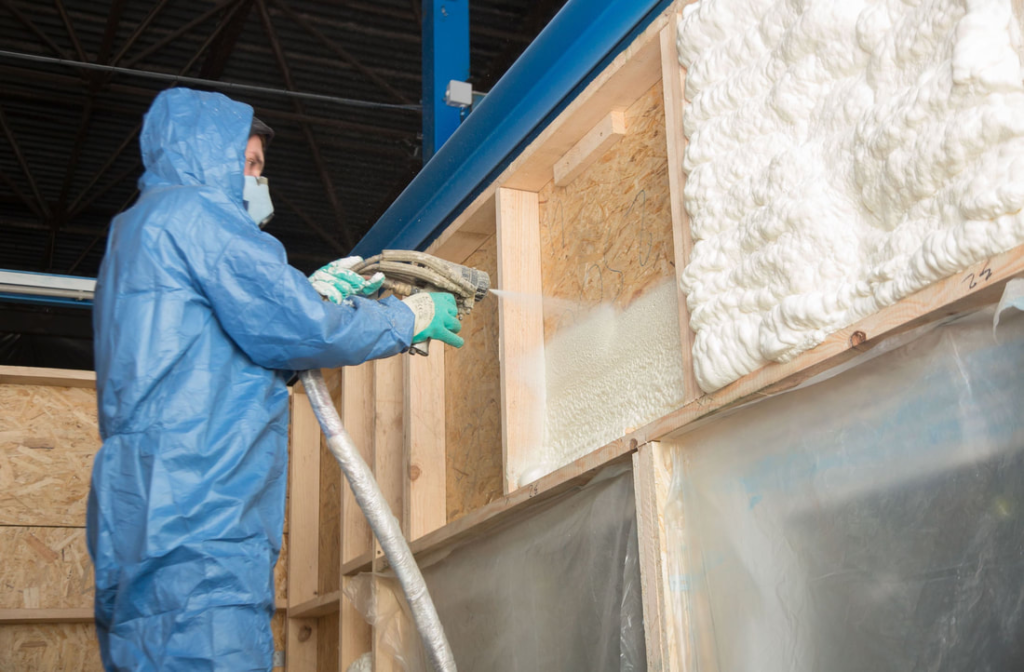
By sealing out drafts and keeping water from entering your walls, you protect both your building materials and your family’s health. Work closely with certified installers, verify that your framing is completely dry, and ensure your home has adequate fresh air ventilation to enjoy a dry, comfortable indoor environment for years to come.
To help guide your overall plan, keep these final checklist items in mind:
- Inspect the outer shell of your house annually for cracks or damage.
- Service your mechanical ventilation systems every spring.
- Watch for changes in interior humidity when seasons shift.
Get a Professional Consultation and Custom Estimate for Your Property
Ensuring your home remains warm, dry, and free from moisture issues requires experienced hands. The team at Raleigh Excel Spray Foam Insulation provides expert Attic Insulation, Wall Insulation, and Residential Spray Foam Insulation services to protect your investment. You can easily schedule a professional evaluation and get a free quote by emailing their team at [email protected] or calling (919) 301-9435.
Frequently Asked Questions About Foam Sealing and Moisture
Does spray foam absorb water if a roof leaks
Open-cell foam acts like a sponge and will hold water, which helps you locate a roof leak quickly but means the wet section must be cut out and replaced. Closed-cell foam resists water, which protects the wood behind it, but can sometimes delay you from noticing a leak.
Can you spray foam over active mold growth?
No, you must never apply foam over active mold. The existing mold must be remediated and the wooden framing completely dried before any new material is installed.
How does airtight insulation affect indoor humidity
Airtight insulation stops natural drafts, which means normal household moisture from cooking and cleaning can build up indoors. You must use mechanical ventilation or dehumidification to keep humidity levels within a safe, dry range.
Is spray foam itself a food source for mold
No, polyurethane foam is an inorganic plastic that mold cannot eat. Mold only grows on the dust, dirt, or wood framing that sits against the foam if moisture is present.
How do you verify if spray foam was mixed correctly
Properly mixed foam cures into a firm material with a uniform color and has no lingering chemical odor after twenty-four hours. Off-ratio foam might remain soft or sticky and can produce an unpleasant smell that does not go away.