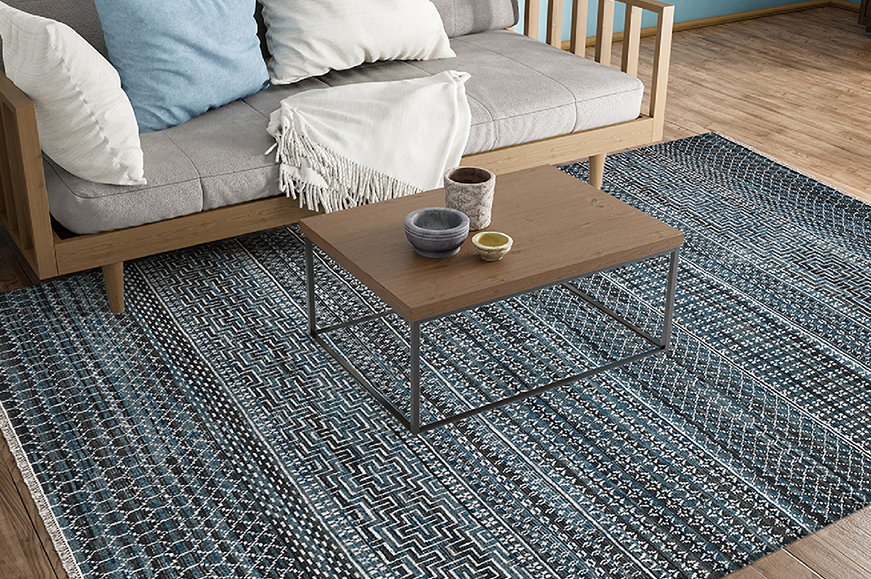
Investing in a premium textile for your home brings unparalleled warmth and sophistication, but it also introduces unique maintenance questions. When spills happen or heavy foot traffic takes its toll, homeowners frequently wonder if standard deep-cleaning methods are safe for delicate natural fibers. Specifically, the question of whether you can steam clean a wool rug is one of the most debated topics in home maintenance. While steam cleaning works wonders on synthetic carpets, applying intense heat and moisture to wool requires a much more nuanced understanding.
Visit site : https://www.amerrugs.com/blog/modern-diy-home-or-office-decoration-and-design-ideas-with-luxurious-rugs
Understanding how do you clean wool rugs safely ensures they remain a beautiful centerpiece of your interior design for decades. Wool fibers are naturally coated with lanolin, an organic oil that repels moisture and prevents stains from setting in immediately. However, when subjected to the high temperatures of commercial steam extractors, this protective barrier can strip away, leaving the rug vulnerable to future soiling. This comprehensive guide will explore the hidden risks of thermal cleaning, break down the structural characteristics of various weaving techniques, and provide safe, effective care strategies that preserve your investment without compromising the integrity of the pile.
The Structural Science of Wool and Steam
To understand why steam cleaning poses a risk, one must look at the physical composition of wool itself. Wool fibers are highly porous and can absorb up to thirty percent of their weight in moisture without feeling wet to the touch. When a machine injects hot water vapor deep into the backing of a wool piece, the fibers expand dramatically. As the wool holds onto this moisture, drying times stretch from hours to days. This prolonged dampness creates the perfect breeding ground for mold, mildew, and a highly unpleasant musty odor that is incredibly difficult to eliminate once it takes hold in the foundation yarns.
Furthermore, the intense heat used in common steam extraction processes alters the protein structure of the wool. High temperatures can cause the fibers to shrink, warp, or lose their signature elasticity, leaving the surface feeling crunchy or coarse rather than plush. For anyone searching for carpet cleaning and restoration near me, it is crucial to verify that the technicians specialize in hand-washed submersion rather than standard hot-water extraction. Specialized professionals understand that controlling temperature and moisture levels is the single most important factor in preventing structural distortion and fiber shrinkage during a deep refresh.
Evaluating Safe Alternatives for Deep Cleaning
Fortunately, keeping your textiles pristine does not require risking their structural health through hot steam exposure. The safest and most time-tested method for refreshing a premium natural fiber piece is traditional submersion washing using cool water and pH-balanced detergents. This process mimics the historical techniques used for centuries in textile care, allowing the yarns to release trapped dirt gently without stripping away the natural lanolin oils. Cold-water washing keeps the dyes locked into place while thoroughly flushing out fine particulates, grit, and sand that gather at the base of the knots.
For routine maintenance between professional washes, dry extraction powders and low-moisture encapsulation foams offer excellent results. These methods apply specialized compounds to the surface that attract and bind to oily soils like a magnet. Once the powder or foam traps the dirt, it is simply vacuumed away with a machine that does not use a rotating brush or beater bar, which could fray the delicate yarn tips. This ensures the rug stays completely dry throughout the process, eliminating any worry regarding mold growth, shrinkage, or structural warping.
Investing in Craftsmanship: From Flat Weaves to Hand-Knotted Masterpieces
The specific construction of your floor covering dictates exactly how it will respond to various maintenance routines. For instance, individuals frequently ask what is a flat weave rug when looking for low-maintenance design options. These pieces are created by weaving the warp and weft threads together directly on a loom without attaching any vertical pile yarns. Because they lack a dense pile or heavy backing material, the best flatweave rugs are exceptionally breathable and dry much faster than their thick counterparts, making them slightly more resilient to careful moisture cleaning, though cold water remains the gold standard.
On the other end of the luxury spectrum are exquisite hand knotted wool rugs, which represent the pinnacle of textile artistry. Each individual knot is tied by hand around the foundation warp threads, creating an incredibly dense, durable, and complex surface. Because of the sheer density of these pieces, steam cleaning is an absolute hazard, as moisture gets trapped in the tight knots and cannot escape easily. Similarly, spaces featuring custom hand tufted rugs require specialized care, as these are made by punching loops of yarn through a canvas backing that is secured with a layer of latex glue, a material that dissolves rapidly under hot steam.
Protecting Your Textile Investments for the Future
When you browse premium hand woven rugs for sale, you are not merely purchasing a temporary decorative accessory; you are acquiring a piece of functional art that appreciates in sentimental and aesthetic value over time. Preserving this value requires a proactive approach to maintenance that centers on prevention rather than aggressive restoration. Placing high-quality pads beneath your textiles stabilizes the foundation, reduces friction against the hard floor, and allows air to circulate underneath, which aids in keeping moisture levels naturally balanced.
Rotating your textiles every six to twelve months ensures that foot traffic and sunlight exposure are distributed evenly across the surface. This prevents localized wear patterns and fading, keeping the entire piece looking uniform. When localized spills happen, immediate blotting with a clean white cloth and cool water is always the safest first line of defense. By avoiding harsh chemical spotting agents and steering completely clear of hot steam applications, you protect the natural resilience of the wool, keeping the colors vibrant and the texture beautifully soft for generations.
Frequently Asked Questions
How do you clean wool rugs safely at home without ruining the pile?
Safe home maintenance begins with vacuuming your textile weekly using a suction-only setting or a hardwood floor attachment to prevent the rotating brush from fraying the wool fibers. For fresh spills, immediately blot the liquid with a clean, dry white towel from the outside edges inward to prevent the spot from spreading. If a stain persists, use a mixture of cool water and a tiny drop of mild, pH-neutral dish soap or a certified wool-safe detergent, dabbing gently rather than scrubbing. Always elevate the damp section of the rug to ensure air flows freely underneath, allowing it to dry quickly and completely.
Can a flat weave rug handle moisture better than a thick tufted rug?
A flat woven piece naturally handles moisture and drying cycles much better than a dense tufted or knotted piece because it lacks a thick vertical pile and a heavy secondary backing. Since the air can pass through the simple woven structure easily, it dries in a fraction of the time, dramatically reducing the risk of mold or mildew formation. However, even though it dries faster, you should still avoid hot steam or harsh chemicals, as the delicate natural dyes can still bleed and the wool fibers can shrink if exposed to high heat.
Are there any seasonal decoration tips to prevent rug staining during holidays?
High-traffic holidays often bring unique accent pieces and heavy foot traffic into the home. For instance, if you are setting up festive arrangements or browsing Halloween outside home decorating ideas, it is a smart strategy to mirror those boundary zones indoors. Place durable synthetic mats or heavy-duty runners at your entryways during busy holiday seasons. This creates an effective barrier that catches mud, dampness, and outdoor debris before it ever reaches your delicate interior wool textiles, saving you from difficult emergency spot-cleaning sessions later on.
Conclusion
Caring for a premium wool rug does not have to be a stressful endeavor, but it does require moving away from the convenience of standard residential steam cleaning. The combination of extreme heat and deep moisture poses a substantial threat to the structural integrity, vibrant dyes, and organic fibers of your fine textiles. By choosing gentle, cold-water washing techniques and utilizing safe maintenance practices, you honor the incredible craftsmanship embedded in every single knot and weave. Prioritizing correct care keeps your floor coverings plush, resilient, and stunningly beautiful, ensuring they remain a treasured part of your home environment for many years to come.