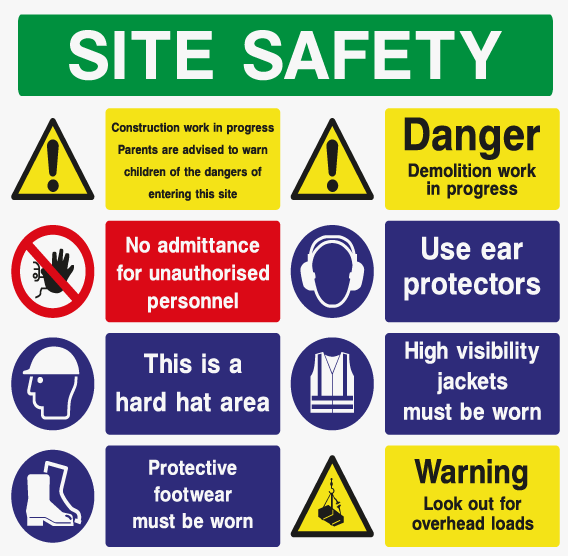
Construction sites are among the most hazardous workplaces in any industry. Workers face daily exposure to heavy equipment, elevated work areas, electrical systems, excavation zones, and constantly changing site conditions. In such environments, clear communication is critical for reducing risks and maintaining a safe workplace. This is why construction site safety signage remains one of the most important components of an effective safety management program.
Safety signs provide immediate visual communication that helps workers, contractors, visitors, and delivery personnel understand potential hazards and required safety procedures. While training and protective equipment are essential parts of workplace safety, signage serves as a constant reminder of site-specific risks and regulations. Properly designed and strategically placed signs can significantly reduce accidents, improve awareness, and support compliance with safety standards.
Understanding Construction Site Safety Signage
Construction site safety signage consists of visual displays designed to communicate important safety information throughout a worksite. These signs are used to identify hazards, provide instructions, indicate mandatory safety requirements, and guide emergency responses. They help ensure that everyone on the site understands potential dangers and follows established safety procedures.
Unlike verbal instructions that can be forgotten or misunderstood, safety signs remain visible throughout the workday. They provide continuous communication in areas where risks are present and help workers stay alert to changing conditions. Because construction projects often involve multiple contractors and visitors, signage creates a universal communication system that can be quickly understood by everyone on site.
Proper safety signage is not only a best practice but also an important part of regulatory compliance for many construction projects.
Why Construction Site Safety Signage Is Important
Every construction project contains hazards that can cause injuries, property damage, or operational delays if not properly managed. Construction sites often include areas where workers may be exposed to falling objects, moving machinery, electrical hazards, or restricted zones. Safety signage helps communicate these risks clearly and effectively.
One of the primary benefits of construction site safety signage is accident prevention. By warning individuals about potential dangers before they enter a hazardous area, signs encourage safer behavior and help workers make informed decisions. Clear signage reduces confusion and helps ensure that safety procedures are consistently followed across the job site.
Safety signage also contributes to a stronger safety culture. When workers regularly see reminders about protective equipment, hazard awareness, and emergency procedures, they become more conscious of workplace safety and are more likely to follow established guidelines.
Common Types of Construction Site Safety Signage
Construction projects use several categories of safety signs, each serving a specific purpose. Understanding these categories helps ensure that the correct information is communicated in the most effective way.
Warning Signs
Warning signs are designed to alert workers and visitors to hazards that may cause injury if proper precautions are not taken. These signs typically use bold colors, clear text, and recognizable symbols to attract attention.
Common warning signs include notices about high-voltage equipment, falling debris, excavation areas, uneven surfaces, and heavy machinery operations. Their purpose is to encourage caution and increase awareness before individuals enter potentially dangerous areas.
Mandatory Safety Signs
Mandatory signs communicate actions that must be followed while on the construction site. These signs help enforce workplace safety policies and ensure compliance with protective measures.
Examples include instructions to wear hard hats, safety glasses, gloves, hearing protection, reflective clothing, and safety boots. Mandatory signs play a vital role in reducing injuries by ensuring that workers use the appropriate personal protective equipment.
Prohibition Signs
Prohibition signs identify activities that are not allowed within specific areas of the site. These signs help prevent behaviors that could increase safety risks or interfere with site operations.
Examples include no smoking notices, restricted access signs, unauthorized entry warnings, and prohibitions against operating equipment without proper authorization. These signs help maintain control and reduce unnecessary hazards.
Emergency Information Signs
Emergency signage provides essential information needed during unexpected situations. These signs identify emergency exits, first aid stations, fire extinguishers, evacuation routes, and assembly points.
In emergency situations, clear signage helps workers respond quickly and safely, minimizing confusion and supporting efficient evacuation procedures.
Benefits of Effective Safety Signage on Construction Sites
The implementation of a comprehensive signage program provides numerous benefits that extend beyond basic compliance requirements.
Improved Hazard Awareness
Construction sites often contain multiple risks that can change as the project progresses. Safety signs provide continuous reminders about these hazards, helping workers remain alert and aware of their surroundings.
Increased awareness contributes to safer decision-making and helps prevent accidents before they occur.
Reduced Workplace Injuries
Many workplace injuries result from a lack of communication regarding hazards or safety procedures. Effective signage addresses this issue by delivering clear and immediate information exactly where it is needed.
When workers understand potential dangers and required precautions, they are more likely to avoid risky behaviors and follow safe work practices.
Better Site Organization
Construction projects can become crowded and complex, especially when multiple trades are working simultaneously. Signage helps organize site activities by identifying work zones, directing traffic flow, and marking restricted areas.
Improved organization contributes to operational efficiency while reducing confusion and safety concerns.
Enhanced Regulatory Compliance
Workplace safety regulations often require specific signs to be displayed in designated areas. Proper signage helps construction companies demonstrate compliance with these requirements and reduce the risk of penalties or legal complications.
Compliance also reinforces a company’s commitment to protecting workers and maintaining high safety standards.
Best Practices for Construction Site Safety Signage
To maximize effectiveness, construction companies should follow established best practices when implementing safety signage programs.
Use Clear and Readable Designs
Signs should be easy to understand at a glance. Large text, bold colors, and universally recognized symbols improve visibility and ensure that messages can be quickly interpreted.
Complex or cluttered designs may reduce effectiveness and increase the likelihood of misunderstanding critical information.
Position Signs Strategically
Signage should be placed where individuals will see it before encountering a hazard. Proper positioning allows workers to take appropriate precautions before entering a potentially dangerous area.
Entrances, equipment zones, excavation sites, and high-traffic areas are common locations for safety signs.
Conduct Regular Inspections
Construction environments can be harsh, exposing signs to weather, dust, and physical damage. Regular inspections help ensure that signs remain visible, legible, and securely mounted.
Damaged or faded signs should be replaced immediately to maintain communication effectiveness.
Update Signage as Conditions Change
Construction sites evolve throughout the project lifecycle. New hazards may emerge while others are eliminated. Updating signage ensures that workers receive accurate and relevant safety information at all times.
Keeping signs current is essential for maintaining an effective safety program.
The Role of Safety Signage in Building a Safety Culture
A strong safety culture requires continuous communication and consistent reinforcement of workplace expectations. Construction site safety signage supports this effort by providing daily reminders about hazards, procedures, and personal responsibilities.
When workers regularly encounter professional safety messaging, they become more engaged in maintaining safe work practices. Signage reinforces training programs and encourages accountability among all personnel on the site.
Organizations that prioritize safety communication often experience fewer incidents, improved morale, and greater operational success. Safety signage serves as a visible commitment to worker protection and responsible project management.
Final Thoughts
Construction site safety signage is a critical element of every successful construction safety program. By clearly communicating hazards, safety requirements, and emergency procedures, signage helps protect workers, visitors, and contractors from unnecessary risks.
From warning signs and mandatory instructions to prohibition notices and emergency information, effective signage contributes to a safer, more organized, and more productive work environment. Investing in high-quality safety signage is not only essential for regulatory compliance but also a practical strategy for reducing accidents and supporting long-term project success.