
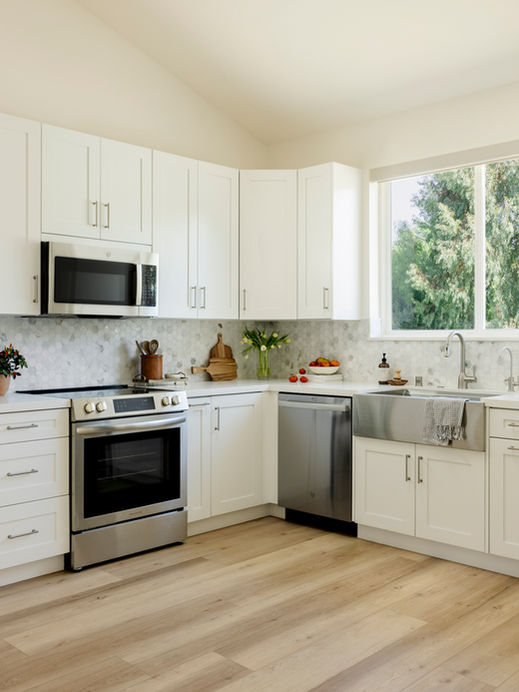
Understanding the Growing Popularity of ADUs
Accessory Dwelling Units (ADUs) have become one of the most effective solutions for homeowners seeking additional living space without purchasing a larger property. As housing costs continue to rise and family needs evolve, ADUs offer flexibility, convenience, and long-term value. These secondary residential units can serve as rental properties, guest houses, home offices, or living spaces for extended family members.
The appeal of ADUs lies in their versatility. Homeowners can maximize unused backyard space while creating a fully functional residence separate from the primary home. In many areas, updated regulations have made ADU construction more accessible, encouraging property owners to invest in these valuable additions.
Why Detached ADUs Are an Excellent Investment
Detached ADUs provide homeowners with a unique opportunity to add a completely separate living space on their property. Unlike attached units or garage conversions, detached ADUs stand independently from the main residence, offering greater privacy and flexibility for occupants.
One of the primary advantages of detached units is their ability to function like a standalone home. Residents enjoy separate entrances, dedicated living areas, and a greater sense of independence. This makes detached ADUs ideal for rental purposes, guest accommodations, or housing family members.
What Is a Detached ADU?
A detached ADU is a secondary residential structure built separately from the primary residence on the same property. Although smaller than a traditional home, it includes all the essential features required for independent living.
Most detached ADUs contain:
- A kitchen
- A bathroom
- Sleeping space
- Living area
- Private entrance
These units are designed to function as complete residences while complementing the overall property layout.
Detached ADUs can vary significantly in size and design, ranging from compact studio-style units to larger one- or two-bedroom floor plans. The specific design depends on property dimensions, local regulations, and homeowner preferences.
Benefits of Building a Detached ADU
Detached ADUs offer numerous advantages that make them an attractive option for homeowners.
Increased Privacy
One of the most significant benefits is privacy. Since the unit is physically separated from the primary residence, occupants can enjoy a greater sense of independence.
This arrangement works particularly well for:
- Aging parents
- Adult children
- Long-term guests
- Rental tenants
Separate living spaces help maintain personal boundaries while keeping family members close.
Rental Income Potential
Many homeowners build detached ADUs as income-generating properties. Renting out the unit can provide a steady source of revenue that helps offset mortgage payments, maintenance expenses, or other household costs.
As housing demand continues to increase, well-designed rental units remain highly desirable in many communities.
Enhanced Property Value
Adding a detached ADU often increases a property’s market value. Buyers appreciate the flexibility and income potential that these units provide.
Properties with professionally constructed ADUs frequently stand out in competitive real estate markets, making them more attractive to prospective purchasers.
Flexible Use Options
Detached ADUs can serve multiple purposes over time. Homeowners may initially use the unit as a guest house and later convert it into a rental property or home office.
This adaptability makes detached ADUs a practical long-term investment.
The Detached ADU Construction Process
Building a detached ADU requires careful planning and coordination throughout several important stages.
Site Assessment and Feasibility
The process begins with evaluating the property to determine whether it can accommodate a detached structure. Factors such as lot size, setbacks, utility access, and zoning requirements are carefully reviewed.
A professional feasibility assessment helps identify potential challenges before design work begins.
Design and Planning
Once feasibility is confirmed, architects and designers create plans tailored to the property and homeowner’s objectives.
Important design considerations include:
- Layout efficiency
- Building placement
- Architectural style
- Natural lighting
- Outdoor integration
The goal is to create a comfortable and functional living space that complements the existing property.
Permitting and Approvals
Before construction can begin, plans must be reviewed and approved by local authorities. This process ensures compliance with zoning regulations, building codes, and safety standards.
Experienced builders often manage permit applications and coordinate with municipal agencies to streamline approvals.
Construction and Completion
Following permit approval, construction begins. Builders oversee site preparation, foundation installation, framing, electrical systems, plumbing, roofing, interior finishes, and final inspections.
Regular project management helps ensure quality workmanship and timely completion.
Features of a Modern Detached ADU
Today’s detached ADUs are designed with both comfort and efficiency in mind. Homeowners increasingly seek features that maximize usability while minimizing maintenance requirements.
Popular features include:
Open Floor Plans
Open-concept designs create a spacious atmosphere and improve functionality within smaller living areas.
Energy-Efficient Systems
Modern ADUs often include:
- High-efficiency HVAC systems
- LED lighting
- Energy-efficient windows
- Advanced insulation
These features help reduce operating costs and support sustainable living.
Smart Home Technology
Many homeowners incorporate smart technology such as programmable thermostats, security systems, and automated lighting controls.
These enhancements improve convenience and energy management.
Outdoor Living Spaces
Patios, decks, and landscaped areas extend living space beyond the interior of the unit and create a more enjoyable environment for occupants.
Common Mistakes to Avoid When Building a Detached ADU
Although detached ADUs offer numerous benefits, homeowners should be aware of common pitfalls.
One frequent mistake is failing to establish a realistic budget. Construction expenses, permit fees, utility connections, and site preparation costs should all be included in project planning.
Another issue is overlooking local regulations. Every jurisdiction has specific requirements governing setbacks, height limits, and lot coverage. Ignoring these rules can result in delays and costly redesigns.
The Future of Detached ADU Development
As housing needs continue to evolve, detached ADUs are expected to play an increasingly important role in residential development. Many communities recognize the value of these units in addressing housing shortages while providing homeowners with additional income opportunities.
Advances in construction technology, modular building methods, and sustainable materials are making detached ADUs more efficient and affordable than ever before. Smart design innovations continue to improve functionality, allowing homeowners to maximize available space without sacrificing comfort.
Conclusion
Detached ADUs offer homeowners a practical and flexible solution for expanding living space, increasing property value, and generating rental income. Their independent design provides privacy, versatility, and long-term functionality that appeals to both property owners and future buyers. From planning and permitting to construction and completion, successful ADU projects require careful attention to detail and professional expertise.
For homeowners seeking quality craftsmanship and personalized solutions, toadu builders can help transform detached ADU concepts into beautifully designed living spaces that deliver lasting value and convenience.
FAQs
What are Detached ADUs?
Detached ADUs are separate residential structures built on the same property as a primary home. They function as independent living spaces with their own kitchen, bathroom, and entrance.
Do detached ADUs increase property value?
Yes, detached ADUs often increase property value by adding functional living space and creating potential rental income opportunities.
Can a detached ADU be rented out?
In many locations, detached ADUs can be rented out, subject to local regulations and permitting requirements.
How long does it take to build a detached ADU?
Project timelines vary based on design complexity, permitting approvals, and construction requirements, but most projects take several months to complete.