Introduction
Walk into any vintage boutique or browse a curated fashion collection, and you will be met with an extraordinary array of printed dresses spanning decades of design history. Each print tells a story — of the era it was created in, the artist who designed it, and the cultural moment it represents. Understanding the world of vintage dress patterns is like learning a new visual language, one that makes you a more confident and intentional dresser.
Florals: The Evergreen Classic
No print category has endured across fashion history quite like the floral. From the delicate rosebuds of Victorian-era textiles to the bold, oversized blooms of 1970s bohemian fashion, florals have appeared in virtually every decade and remain just as relevant today.
The key to wearing florals well is scale and color. Small-scale florals on a light background feel feminine and classic — ideal for tea dresses and shirt dresses. Large, graphic florals on dark grounds feel contemporary and bold, working beautifully in wrap dress silhouettes.
Abstract Prints: Artistic and Expressive
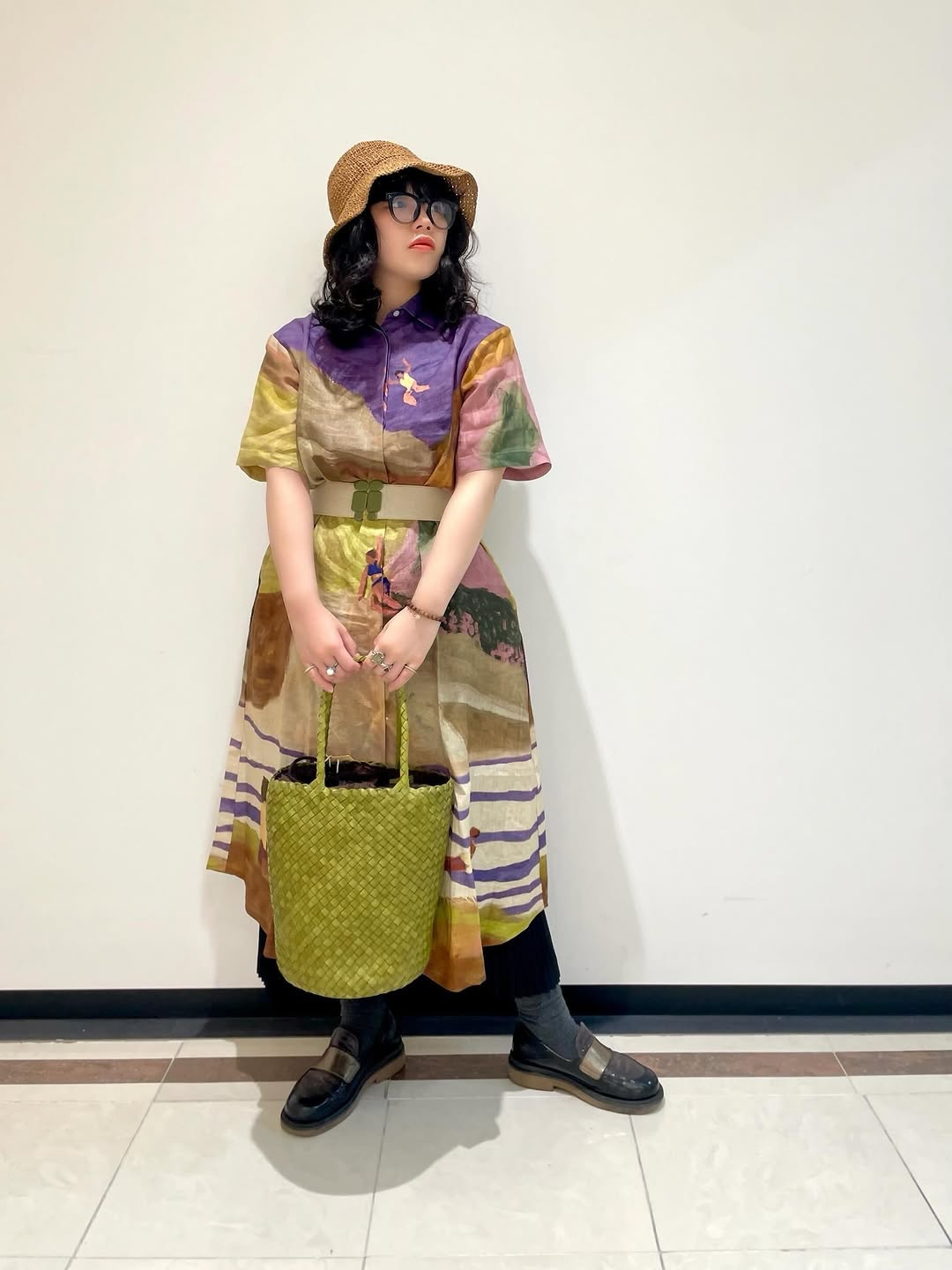
Abstract prints are for the woman who wants her dress to function as wearable art. Drawing inspiration from mid-century modern art movements, abstract patterns on vintage dresses feature swirling brushstrokes, ink blots, and freeform shapes that create visual drama and depth.
The 1960s was particularly fertile ground for abstract textile design, with designers experimenting with psychedelic swirls, optical illusions, and watercolor-inspired motifs. Today, abstract printed dresses offer a sophisticated alternative to pattern-shy minimalism.
Geometric Prints: Bold and Graphic
Geometric prints — stripes, checks, houndstooth, chevrons, and mod circles — have a graphic energy that makes them perennially popular. These patterns are particularly associated with the 1960s mod movement, which embraced bold, high-contrast designs as a rejection of the more decorative styles of the previous decade.
Geometric printed dresses look especially striking in shift or A-line silhouettes, where the clean lines of the print harmonize with the structure of the dress.
Paisley and Ethnic-Inspired Prints
Paisley, with its distinctive teardrop motif, has roots in Persian and Indian textile traditions and became hugely popular in Western fashion during the 1960s and 1970s. On a dress, paisley creates a rich, layered effect that feels simultaneously exotic and classic.
Ethnic-inspired prints, drawing from Ikat, batik, and block-printing traditions, add artisanal depth to vintage dress collections. These prints connect fashion to global craft heritage and are particularly beautiful in midi and maxi dress silhouettes.
Conclusion
The world of vintage dress patterns is vast, beautiful, and endlessly rewarding to explore. Whether you gravitate toward the romantic softness of florals, the artistic drama of abstracts, or the graphic confidence of geometrics, there is a vintage print that perfectly expresses your unique style identity.