
The field of peptide research is undergoing a rapid transformation, driven by advancements in synthetic chemistry, analytical technology, and quality assurance systems. In Australia, research institutions, biotechnology companies, and analytical laboratories are increasingly relying on high-quality peptide materials to support investigations in molecular biology, cellular signaling, and biochemical pathway analysis. As scientific demands continue to evolve, the future of research peptides is being shaped by innovation, precision manufacturing, and an unwavering commitment to quality assurance.
Modern peptide science is no longer limited to basic synthesis and purification. It now integrates advanced automation, real-time analytical validation, and highly controlled production environments. These developments are enabling researchers to work with materials that are more consistent, better characterized, and scientifically reliable across a wide range of experimental applications.
The Evolving Role of Research Peptides in Scientific Discovery
Research peptides have become essential tools in modern life sciences. Their ability to mimic biological signaling molecules allows scientists to investigate complex physiological and molecular interactions in controlled laboratory environments. This has made them indispensable in fields such as biochemistry, pharmacological modeling, immunology, and cellular biology.
In Australia, the growing interest in peptide-based research reflects a broader global trend toward precision science. Researchers require highly purified, well-characterized compounds that allow for reproducible and accurate experimental outcomes. As a result, the demand for advanced manufacturing standards and rigorous quality assurance protocols continues to increase.
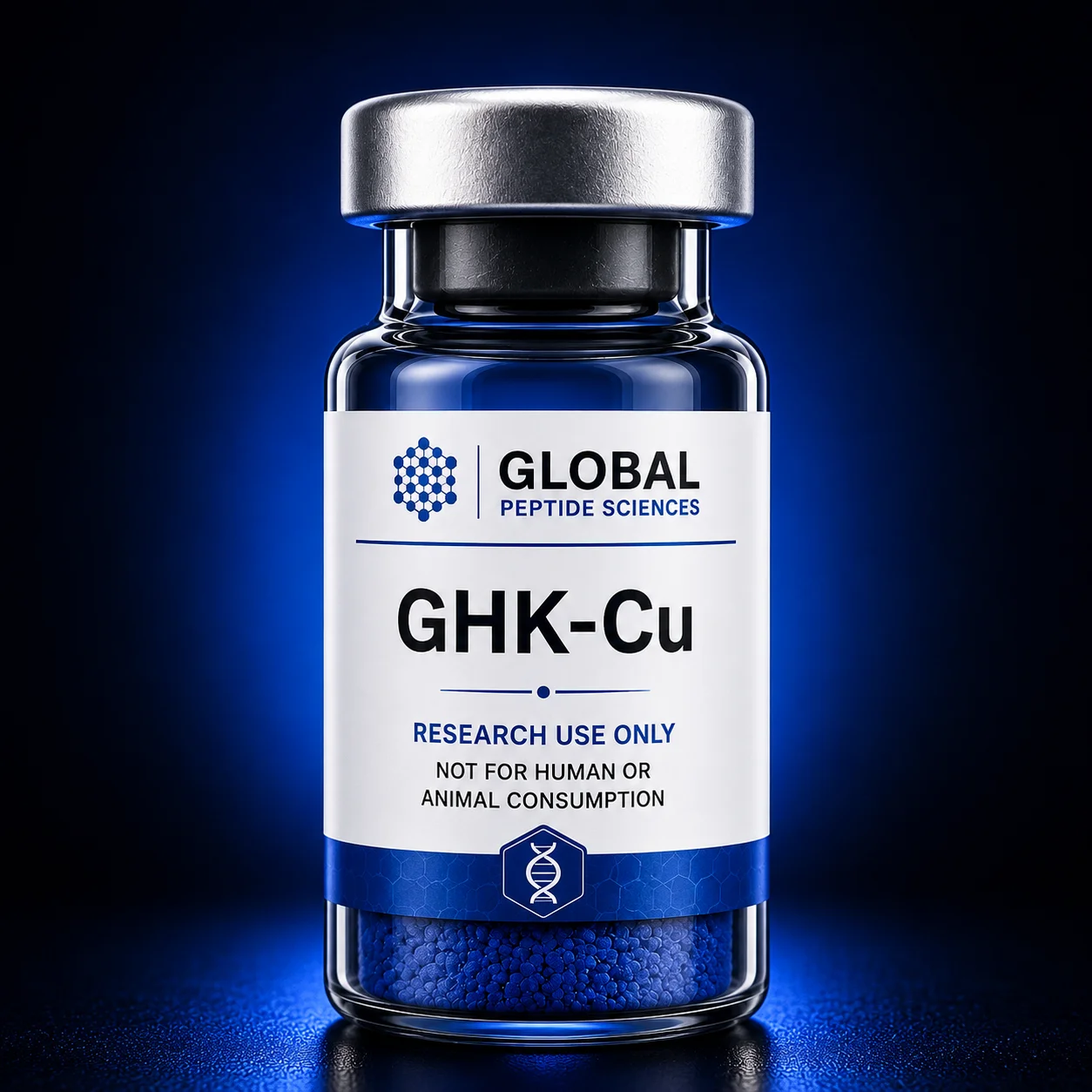
Even widely studied biochemical compounds discussed in scientific literature, such as ghk cu peptide, highlight the importance of reliable synthesis methods and standardized analytical verification to ensure data consistency in laboratory research.
Innovation in Peptide Manufacturing Technologies
One of the most significant drivers of progress in peptide science is innovation in manufacturing technologies. Solid-phase peptide synthesis (SPPS) remains the foundation of modern peptide production, but recent advancements have significantly improved efficiency, scalability, and precision.
Automated synthesis systems now allow for highly controlled amino acid sequencing with reduced human error. This ensures that peptides are produced with greater structural accuracy and consistency. In addition, improved coupling reagents and optimized reaction conditions have enhanced yield quality while reducing unwanted byproducts.
These innovations contribute directly to the reliability of research materials used in Australian laboratories. As manufacturing precision increases, researchers benefit from peptides that are more structurally accurate and better suited for complex experimental applications.
The Importance of Quality Assurance in Australia’s Research Ecosystem
Quality assurance is a critical pillar of modern peptide research. Without strict quality control measures, even advanced manufacturing processes cannot guarantee reproducible scientific outcomes. In Australia, laboratories and suppliers are increasingly adopting multi-layered quality assurance frameworks to ensure product integrity.
These frameworks typically include raw material inspection, in-process monitoring, final product validation, and independent analytical verification. Each stage is designed to eliminate variability and ensure that peptides meet defined scientific standards.
Techniques such as High-Performance Liquid Chromatography (HPLC) and Mass Spectrometry (MS) are widely used to confirm peptide purity and molecular identity. These tools provide researchers with detailed insights into product composition, ensuring that only accurately characterized compounds are used in experimental workflows.
In studies involving compounds like ghk cu peptide, such quality assurance systems are essential for maintaining confidence in experimental reproducibility and scientific validity.
Analytical Science and the Rise of Data-Driven Validation
The future of peptide research is increasingly data-driven. Analytical validation has become a core component of scientific quality assurance, allowing researchers to verify peptide identity and purity with high precision.
HPLC analysis provides detailed information on purity levels by separating individual molecular components within a sample. This helps identify impurities that may interfere with experimental results. Meanwhile, Mass Spectrometry (MS) confirms molecular structure by analyzing mass-to-charge ratios, ensuring that peptides match their intended sequences.
Together, these techniques form a comprehensive validation system that supports scientific accuracy and reproducibility. As analytical tools become more sophisticated, researchers can expect even greater precision in peptide characterization.
This data-driven approach is particularly important in studies referencing biochemical compounds such as ghk cu peptide, where molecular accuracy directly influences experimental interpretation.
The Growing Emphasis on Batch Consistency and Reproducibility
Reproducibility is one of the most important principles in scientific research. Without consistent results, experimental findings lose their reliability and scientific value. Batch consistency in peptide manufacturing ensures that each production lot maintains identical chemical properties, purity levels, and structural integrity.
Manufacturers achieve this through standardized production protocols, controlled synthesis environments, and rigorous quality testing. By minimizing variability between batches, researchers can confidently compare results across multiple experiments and time periods.
In Australian research environments, batch consistency has become a key requirement for supplier qualification. Laboratories prioritize suppliers that can demonstrate stable production processes and reliable analytical documentation.
Digital Transformation in Peptide Quality Management
The integration of digital technologies is reshaping how peptide quality is monitored and documented. Electronic Certificates of Analysis (eCOAs), blockchain-based traceability systems, and automated quality reporting tools are becoming more common in advanced research supply chains.
These innovations improve transparency by allowing researchers to access real-time data on peptide quality, batch history, and analytical results. Digital systems also reduce the risk of documentation errors and improve traceability across the entire manufacturing process.
As digital transformation continues, Australian laboratories are expected to benefit from more efficient quality verification processes and improved access to validated research materials.
Scientific Collaboration and Knowledge Expansion
The future of peptide research in Australia is also being shaped by increased collaboration between academic institutions, biotechnology companies, and analytical laboratories. These partnerships are driving innovation and improving access to high-quality research materials.
Collaborative research initiatives help standardize methodologies, improve analytical techniques, and enhance the overall quality of scientific output. This collective approach ensures that peptide research continues to advance in a structured and scientifically rigorous manner.
Even well-documented biochemical compounds such as ghk cu peptide are often studied within these collaborative frameworks to better understand molecular mechanisms and biological interactions.
Sustainability and Ethical Manufacturing Practices
As scientific awareness grows, sustainability and ethical manufacturing practices are becoming increasingly important in peptide production. Manufacturers are adopting greener synthesis methods, reducing chemical waste, and improving energy efficiency in production processes.
These efforts align with broader global sustainability goals while ensuring that research materials are produced responsibly. Ethical manufacturing also includes transparency in sourcing raw materials and adherence to strict laboratory safety standards.
Australian research institutions are increasingly valuing suppliers that prioritize both scientific excellence and environmental responsibility.
Conclusion
The future of research peptides in Australia is defined by innovation, precision, and scientific integrity. Advances in synthesis technology, quality assurance systems, analytical validation, and digital transformation are collectively shaping a more reliable and efficient research environment.
As laboratories continue to demand higher standards of accuracy and reproducibility, peptide manufacturers and suppliers must evolve to meet these expectations. Through improved manufacturing practices, enhanced quality control, and collaborative scientific efforts, the peptide research industry is well-positioned for continued growth.
Even widely referenced compounds such as ghk cu peptide highlight the importance of rigorous scientific standards and high-quality analytical validation in modern research environments. As Australia continues to strengthen its position in global biotechnology and life sciences, research peptides will remain a cornerstone of scientific discovery and innovation.
Disclaimer: Research peptides are intended strictly for laboratory and scientific research purposes only. They are not approved for human consumption, therapeutic use, or veterinary applications unless authorized by relevant regulatory bodies.