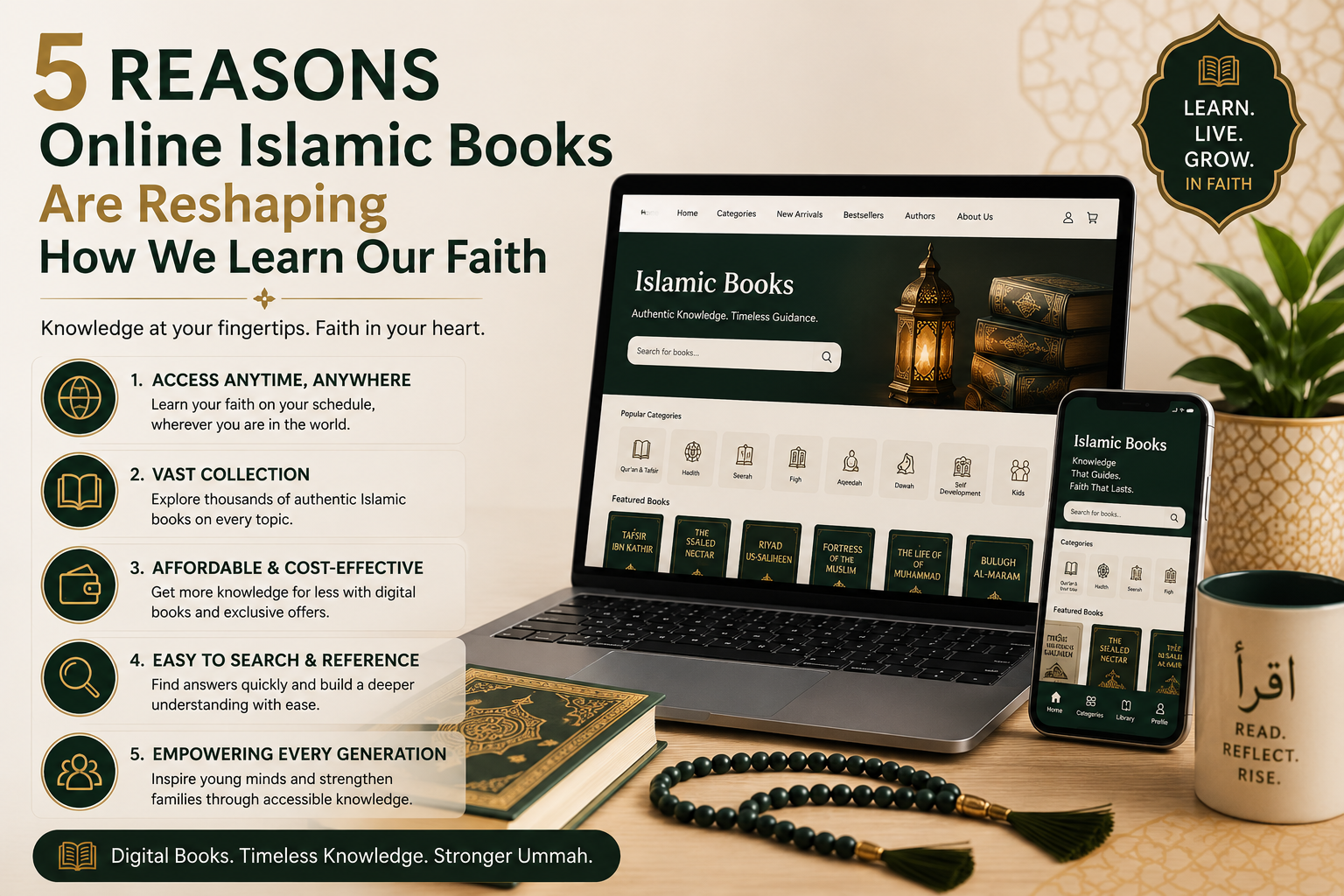
There turned into a time when constructing a private collection of Islamic books intended normal visits to a neighborhood bookstall, ready on shipments from abroad, or borrowing from a mosque library and hoping the title you wanted was clearly on the shelf. That method has changed dramatically. Today, online Islamic literature is in a developing call for, and the shift from revealed pages to virtual displays reflects a mile-high change in how Muslims get access to and interact with spiritual information.
This flow from print to pixels isn’t always approximately abandoning lifestyle. It’s approximately making that same tradition available to a much greater number of people than physical books ever could.
Why the Shift From Print Is Happening
Printed Books Come With Real Limitations
Physical books, whilst valuable, come with sensible constraints. They soak up shelf area, can exit of print, and are expensive to ship the world over. A rare tafsir or a particular student’s observation might most effectively exist in confined print runs, making it difficult for the common reader to find, not to mention personal.
Digital Formats Remove Those Barriers
Online Islamic books do not face the same regulations. A digital library can keep heaps of titles while not having physical storage, and popular texts never technically “run out.” This, on my own, has made a huge difference for readers who formerly struggled to locate unique books.
Readers Expect Instant Access
Much like other forms of analyzing and media, expectancies round get admission to have shifted. Readers these days are used to locating data at once, and spiritual literature is no exception. Waiting weeks for an e-book to reach by mail feels an increasing number of uncommon while almost the entirety else is available right away.
What’s Driving Demand for Online Islamic Literature
A Global, Scattered Muslim Population
Muslims these days live in almost every part of the arena, frequently a long way from the most important Islamic centers or properly-stocked bookstores. Online Islamic literature bridges that gap, giving readers in Europe, North America, and different regions with smaller Muslim populations the identical get entry to as a person living in a well-set-up Islamic city.
Younger Readers Prefer Digital Formats
Younger generations of Muslims have grown up reading on telephones, tablets, and e-readers. For many of them, virtual Islamic literature isn’t always a choice to print; it is actually the preferred way they prefer to read and observe.
Better Translations Are Reaching Wider Audiences
As demand has grown, so has the availability of exceptional translations. English, Urdu, and different language editions of classical and contemporary Islamic works at the moment are far simpler to discover online, permitting readers who do not study Arabic fluently to engage without delay with primary texts in preference to relying on casual summaries.
Lower Costs Make Larger Collections Possible
Digital and print-on-call for formats have reduced the price barriers tied to importing and stocking physical books. This has made it sensible for readers to build a more complete personal library over the years, instead of proudly owning only a few titles gathered across a few years.
Print vs. Digital: Not a Complete Replacement
It’s worth noting that this shift does not mean revealed Islamic books are disappearing. Many readers still value having a bodily replica of the Quran or a well-cherished reference text on their shelf. What’s changing is the stability, published books continue to be significant for certain uses, even as online Islamic literature is an increasing number of becoming the primary preference for research, observation, and ordinary studying.
Conclusion
The move from print to pixels reflects more than an exchange in layout; it reflects a broader effort to make Islamic understanding more accessible to an international, numerous Muslim populace. As demand for online Islamic literature mcontinuesto grow, readers anywhere are gaining easier, quicker, and greater inexpensive get right of entry to to actual religious texts than ever before.
Frequently Asked Questions
1. Is online Islamic literature taken into consideration as actual as printed books? Yes, authenticity relies upon the supply, translator, and publisher, not the layout. A well-sourced digital textual content is just as dependable as its revealed version.
2. Why are more youthful Muslims selecting digital Islamic books over print? Many younger readers grew up studying on telephones and tablets, so digital formats feel like a natural, handy way to engage with non-secular texts, no longer just an opportunity to print.
3. Will published Islamic books in the end disappear? Unlikely. Many readers nonetheless prize physical copies, especially of the Quran, for private or symbolic reasons. Digital formats are developing alongside print, not replacing it entirely.
four. How has online literature progressed access to translated Islamic texts? Growing demand has advocated wider availability of great translations in English, Urdu, and different languages, making the number one Islamic sources available to readers who do not read classical Arabic.