
The increasing demand for faster communication, cloud-based services, and data-driven technologies has transformed the requirements of modern network infrastructure. Businesses, data centers, and telecommunications providers need reliable connectivity solutions that can handle massive amounts of information while maintaining efficiency, scalability, and consistent performance. As applications such as artificial intelligence, virtualization, edge computing, and real-time analytics continue expanding, traditional cabling systems often face limitations related to space, bandwidth, and future growth.
One of the most effective solutions for addressing these challenges is high density fiber optic cable. Designed to deliver greater fiber capacity within a compact structure, this advanced cabling technology enables organizations to maximize network performance while optimizing physical space. By supporting high-speed data transmission and simplified cable management, high-density fiber optic solutions have become a vital part of modern data centers, enterprise networks, telecommunications systems, and other environments requiring dependable connectivity.
Understanding High Density Fiber Optic Cable and Its Importance
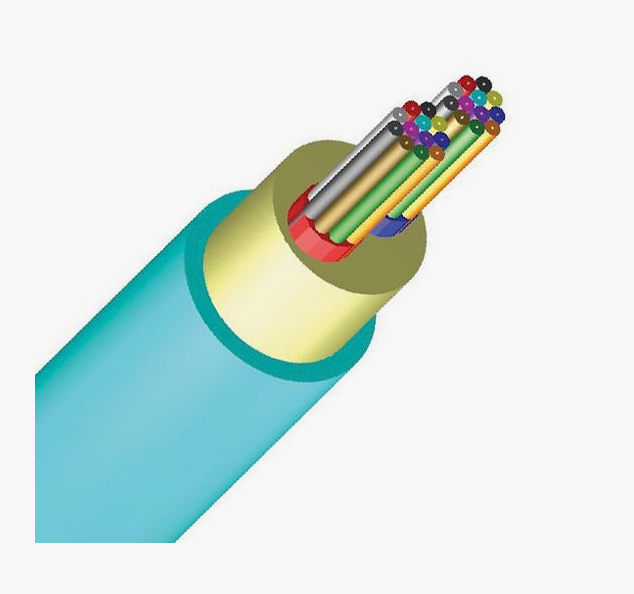
High density fiber optic cable is an advanced fiber communication solution designed to accommodate a large number of optical fibers within a smaller and more efficient cable structure. Unlike traditional fiber cables that require more physical space to support multiple connections, high-density designs allow organizations to increase network capacity while reducing cable volume and improving infrastructure organization. These cables are engineered to provide excellent signal performance, low transmission loss, and enhanced reliability for demanding applications. Their compact design makes them particularly valuable in environments where rack space, pathway capacity, and efficient cable management are critical factors. As businesses continue expanding their digital operations, high-density fiber optic cables provide the scalability needed to support current and future networking requirements.
Importance of Professional Fiber Optic Infrastructure
The success of any fiber optic network depends on proper design, installation, and maintenance practices. Professional deployment ensures that high-density fiber systems operate at their maximum potential while minimizing risks associated with improper handling or incorrect installation. Experienced technicians analyze network requirements, evaluate infrastructure layouts, select suitable components, and perform precise installation procedures to maintain signal quality and reliability. Testing and certification processes verify optical performance, connector alignment, and overall system integrity before the network becomes active. Professional installation also helps organizations reduce downtime, simplify troubleshooting, and extend the operational lifespan of their fiber optic infrastructure.
Features and Applications of High-Density Fiber Solutions
Modern organizations require networking systems that provide both performance and efficiency without increasing infrastructure complexity. High-density fiber optic cables offer several advantages, including increased fiber count, reduced cable congestion, improved airflow, and simplified network management. Their compact design allows more connections to be installed within limited spaces, making them ideal for high-capacity environments. These cables are commonly used in hyperscale data centers, telecommunications networks, enterprise server rooms, healthcare facilities, financial institutions, educational campuses, and cloud computing environments. Businesses implementing high density fiber optic cable solutions benefit from improved scalability, faster deployment, easier maintenance, and stronger support for bandwidth-intensive applications.
Choosing the Right High Density Fiber Optic Cable
Selecting the appropriate fiber optic cable requires careful consideration of network requirements, application demands, and future expansion plans. Organizations should evaluate factors such as fiber count, cable type, transmission distance, connector compatibility, installation environment, and expected bandwidth growth before making a decision. Single-mode and multimode fiber options offer different performance characteristics depending on the intended application and network architecture. Choosing high-quality cables manufactured according to recognized industry standards helps ensure reliable operation, reduced signal loss, and long-term durability. Partnering with experienced fiber optic specialists allows businesses to develop customized solutions that provide maximum efficiency while supporting future technological advancements.
Quality Standards and Long-Term Reliability
Reliable network performance depends on fiber optic components that meet strict quality and manufacturing standards. Premium high-density fiber optic cables undergo extensive testing to evaluate optical performance, mechanical strength, environmental resistance, and durability. Quality assurance processes help ensure consistent transmission characteristics and compatibility with modern networking equipment. Proper cable management practices, including organized routing and protection from physical stress, further improve system reliability and simplify future upgrades. Organizations that invest in certified fiber optic products gain greater confidence in their infrastructure while reducing maintenance requirements and minimizing potential disruptions to critical operations.
Benefits of Investing in Professional Fiber Optic Solutions
Advanced fiber optic infrastructure provides significant benefits for organizations seeking reliable and scalable communication systems. High-density cabling enables businesses to increase network capacity while using less physical space, making it an efficient choice for modern data environments. These solutions support high-performance applications such as cloud computing, artificial intelligence platforms, virtualization, video processing, and large-scale data transfers. By reducing cable complexity and improving organization, high-density fiber systems also lower maintenance requirements and enhance operational efficiency. Implementing high density fiber optic cable allows businesses to build flexible networks that can adapt to changing demands while delivering consistent speed, reliability, and long-term value.
Future Trends in High Density Fiber Optic Technology
The future of networking will continue to focus on higher bandwidth, improved efficiency, and more compact infrastructure designs. Emerging technologies such as artificial intelligence, 5G networks, smart cities, autonomous systems, and advanced cloud platforms are increasing the need for fiber optic solutions capable of handling enormous amounts of data. Manufacturers are developing next-generation high-density cables with greater fiber counts, improved performance, enhanced durability, and easier installation capabilities. Sustainability is also becoming an important consideration, with organizations seeking infrastructure solutions that reduce material usage and improve energy efficiency. As digital transformation continues worldwide, high-density fiber optic technology will remain a key component in building scalable and future-ready communication networks.
Conclusion
Reliable and efficient connectivity has become essential for organizations operating in an increasingly digital world. Advanced fiber optic infrastructure provides the speed, capacity, and flexibility required to support modern applications while optimizing physical resources. High-density solutions enable businesses to improve network organization, reduce complexity, and prepare for future technological growth. By investing in high density fiber optic cable, organizations can establish powerful, scalable, and dependable communication networks that support innovation, improve operational performance, and deliver long-term connectivity advantages in a rapidly evolving digital landscape.