
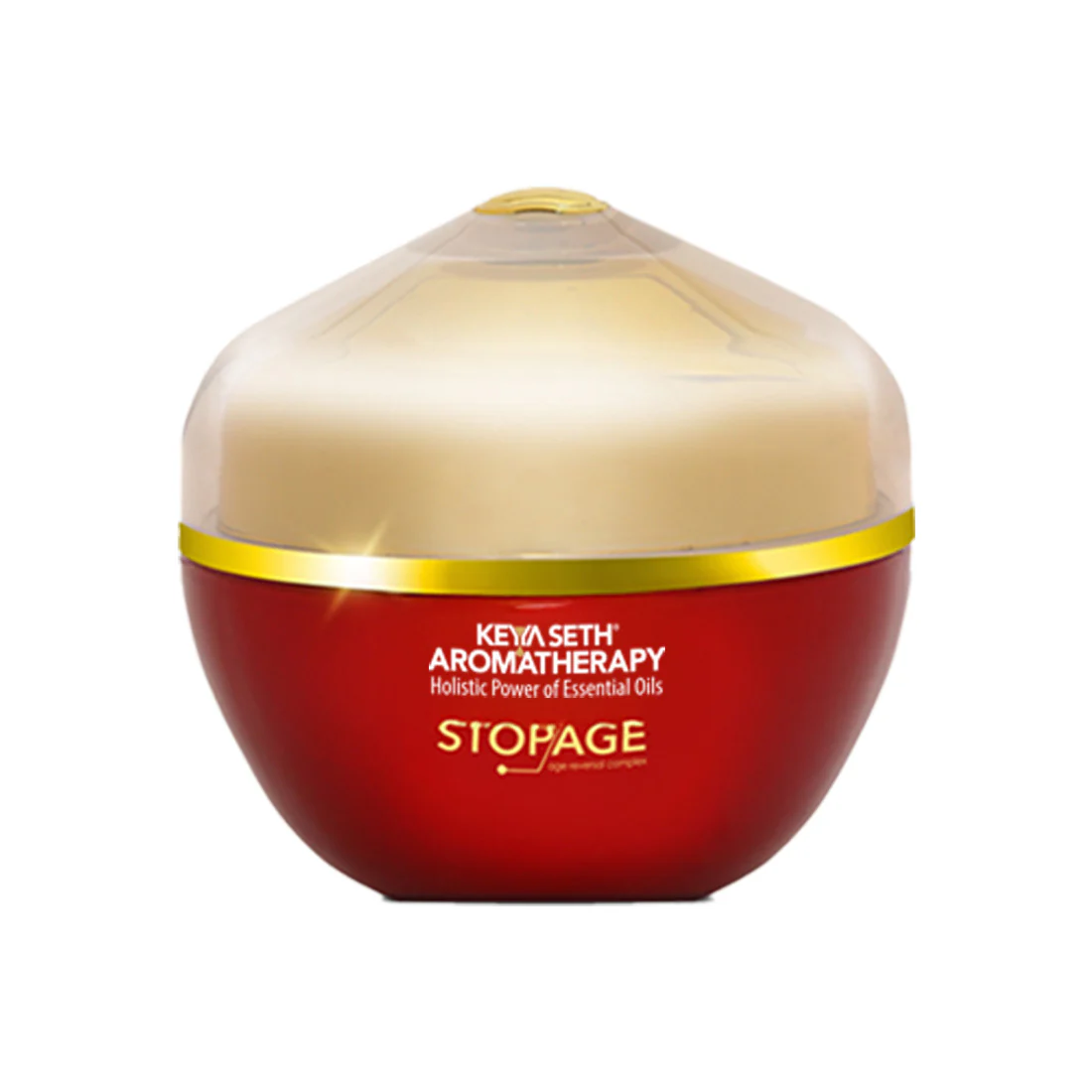
Age Control Cream can help reduce visible signs of aging by supporting hydration, improving skin texture, softening fine lines, and protecting the skin barrier. As skin matures, it naturally becomes drier, thinner, and slower to renew itself. This is why many people begin noticing fine lines, dullness, uneven tone, and loss of firmness over time.
Aging is natural. It is not something to “fight” or feel bad about. But caring for your skin can help it look healthier, smoother, and more refreshed. Think of age control cream as daily maintenance for your skin, much like moisturizing your hair, eating balanced meals, or exercising to keep your body strong.
In this guide, you will learn what age control cream means, how it works, which ingredients matter, how to use it correctly, and what mistakes to avoid for better results.
What Is Age Control Cream?
Age control cream refers to a skincare product designed to reduce the visible effects of aging on the skin. These effects may include fine lines, wrinkles, dryness, dullness, rough texture, uneven skin tone, and loss of elasticity.
A good age control cream usually combines moisturizing ingredients, skin-supporting actives, antioxidants, and barrier-repairing ingredients. Some formulas focus mainly on hydration. Others include stronger ingredients like retinol, peptides, vitamin C, niacinamide, or hyaluronic acid.
Age control cream does not stop aging. Instead, it helps the skin function better, stay hydrated, and appear smoother and healthier.
Why Skin Shows Signs of Aging
Skin aging happens because of both internal and external factors. Internal aging is the natural process linked to genetics, time, and hormonal changes. External aging is caused by things like sun exposure, pollution, smoking, poor sleep, stress, and inconsistent skincare.
The American Academy of Dermatology notes that sun protection, gentle cleansing, and daily moisturizing are important steps for reducing premature skin aging. Dermatologists also recognize retinoids as useful for mild fine lines, pigmentation irregularities, and texture concerns.
Natural Collagen Decline
Collagen is a protein that helps keep skin firm and structured. As we age, collagen production gradually slows down. When collagen decreases, skin may look thinner, looser, or less plump.
Imagine collagen like the support beams inside a mattress. When the support weakens, the surface does not look as firm. Age control cream can help improve the appearance of firmness by keeping the skin hydrated and supporting renewal.
Slower Skin Cell Renewal
Young skin renews itself more quickly. Older skin takes longer to shed dead cells and create fresh-looking surface skin. This can lead to dullness, roughness, and uneven tone.
Some age control creams include gentle renewing ingredients that help the skin look brighter and smoother over time.
Loss of Moisture
Dryness makes fine lines look more noticeable. Even young skin can look older when it is dehydrated. This is why moisturizing ingredients are essential in age control cream.
Hydrated skin reflects light better, feels softer, and appears more plump.
Sun Damage
Sun exposure is one of the biggest causes of premature aging. UV rays can damage collagen, trigger dark spots, and deepen wrinkles over time. The FDA explains that broad-spectrum sunscreen helps protect skin from UV radiation, which contributes to early skin aging.
Age control cream can support the skin, but sunscreen is still essential during the day.
How Age Control Cream Works
Age control cream works by targeting several visible signs of aging at once. It does not usually create instant dramatic changes. Instead, it improves the skin gradually with regular use.
It Hydrates the Skin
Hydration is one of the fastest ways to make skin look healthier. Ingredients like hyaluronic acid, glycerin, and ceramides help attract or lock in moisture.
Hyaluronic acid means a moisture-binding ingredient that helps skin hold water. When skin holds more water, fine lines may appear softer.
It Supports the Skin Barrier
The skin barrier is the outer protective layer of your skin. It helps keep moisture in and irritants out. When the barrier is weak, skin may feel dry, sensitive, itchy, or tight.
Age control creams often include ceramides, fatty acids, cholesterol, niacinamide, and soothing plant-based ingredients to support the barrier.
It Improves Texture
Uneven texture can make skin look tired. Some age control creams include retinol, exfoliating acids, or gentle renewal ingredients that encourage smoother-looking skin.
Retinoids have been studied widely for photoaging, and clinical reviews have reported improvements in wrinkles, texture, pigmentation, and overall signs of aging with appropriate topical use.
It Helps Brighten Dull Skin
Dullness often happens when dead skin cells build up or when the skin lacks hydration. Vitamin C, niacinamide, and mild exfoliating ingredients may help improve radiance.
Vitamin C refers to an antioxidant that helps protect skin from free radical damage and supports a brighter-looking complexion.
It Softens Fine Lines
Fine lines often become more visible when skin is dry or lacking firmness. Age control cream helps by moisturizing, smoothing, and supporting skin renewal.
Fine lines are usually easier to improve than deep wrinkles because they are often linked to dehydration and early collagen changes.
Key Ingredients in Age Control Cream
Not all creams are the same. The results depend heavily on the formula. Here are ingredients commonly found in effective age control creams.
Retinol and Retinoids
Retinol is a vitamin A derivative used in skincare to support cell turnover and improve the look of fine lines, wrinkles, and uneven texture.
Retinoids can be powerful, so beginners should start slowly. Many dermatologists recommend using them a few nights per week at first and increasing gradually if the skin tolerates them. The American Academy of Dermatology advises starting with less intense formulas and building use slowly.
Hyaluronic Acid
Hyaluronic acid helps the skin hold moisture. It does not remove wrinkles permanently, but it can make the skin look plumper and smoother.
This ingredient is especially helpful for dry, dehydrated, or mature skin.
Peptides
Peptides are small chains of amino acids. Amino acids are the building blocks of proteins like collagen and elastin.
In skincare, peptides are used to support a firmer, smoother appearance. They are usually gentle and suitable for many skin types.
Niacinamide
Niacinamide is a form of vitamin B3. It helps support the skin barrier, improve uneven tone, reduce dullness, and calm the appearance of redness.
It is popular because it works well with many other ingredients and is usually well tolerated.
Vitamin C
Vitamin C is an antioxidant. Antioxidants help protect the skin from environmental stressors such as pollution and UV-related free radicals.
Vitamin C can also help brighten the appearance of dark spots and dull skin when used consistently.
Ceramides
Ceramides are lipids naturally found in the skin barrier. They help keep skin strong, comfortable, and moisturized.
If your skin often feels dry, tight, or sensitive, ceramide-rich age control cream can be a smart choice.
Sunscreen Ingredients
Some daytime age control creams include SPF. This is helpful, but it should be broad-spectrum and applied generously.
The American Academy of Dermatology recommends broad-spectrum, water-resistant sunscreen with SPF 30 or higher for sun protection.
Benefits of Age Control Cream
Age control cream offers several benefits when used consistently and correctly.
It Makes Skin Look Smoother
Dry and rough skin can make aging signs more obvious. A well-formulated cream smooths the skin surface and improves softness.
This can make makeup apply better and help the face look fresher.
It Reduces the Look of Fine Lines
Hydrating ingredients can quickly soften the appearance of fine lines. Renewal ingredients like retinol may support longer-term improvements in texture and firmness.
The key is consistency. Most skincare results build over weeks and months.
It Helps Skin Look Firmer
Age control cream cannot replace professional treatments, but it can improve the look of firmness by supporting hydration, barrier health, and collagen-friendly skincare routines.
Think of it like caring for leather. When leather is dry, it cracks and looks older. When conditioned regularly, it looks smoother and more flexible.
It Improves Dullness
Dull skin often needs moisture, gentle renewal, and antioxidant support. Age control cream can help restore a healthier glow.
Ingredients like vitamin C, niacinamide, and retinol are often used for this purpose.
It Supports Long-Term Skin Health
Good skincare is preventive. Using age control cream early can help maintain skin comfort, hydration, and resilience.
It is easier to protect healthy-looking skin than to correct years of neglect.
How to Use Age Control Cream Correctly
Using the right product matters, but how you use it matters too.
Step 1: Cleanse Gently
Start with a mild cleanser. Harsh cleansers can strip the skin barrier and make aging signs look worse.
Your skin should feel clean, not tight or squeaky.
Step 2: Apply Serum if Needed
If you use a serum, apply it before your cream. For example, vitamin C is often used in the morning, while retinol is usually used at night.
Keep your routine simple if you are a beginner.
Step 3: Use a Small Amount of Age Control Cream
Apply a pea-sized to nickel-sized amount, depending on your face and product texture.
More product does not always mean better results. Too much can cause irritation, especially if the cream contains active ingredients.
Step 4: Use Sunscreen in the Morning
Morning skincare should end with sunscreen. This is especially important if your age control cream contains retinol, acids, or brightening ingredients.
Sunscreen protects your progress. Without it, sun exposure can continue to trigger wrinkles, spots, and collagen breakdown.
Step 5: Be Consistent
Most people need several weeks to see noticeable improvement. Hydration may improve quickly, but fine lines, tone, and texture take longer.
A realistic timeline is 4 to 12 weeks for visible changes, depending on the product and skin concern.
Morning vs Night Use
Age control cream can be used in the morning, at night, or both, depending on the formula.
Morning Routine
A morning routine should focus on protection and hydration.
A simple routine may include cleanser, antioxidant serum, age control cream, and sunscreen.
If your cream already contains SPF, check whether it provides broad-spectrum SPF 30 or higher. You still need to apply enough product for proper protection.
Night Routine
A night routine should focus on repair and renewal.
This is when many people use retinol-based age control cream. Nighttime is also ideal for richer moisturizers that help reduce dryness while you sleep.
Who Should Use Age Control Cream?
Age control cream can be useful for adults noticing dryness, fine lines, dullness, uneven tone, or reduced firmness.
In Your 20s
The focus should be prevention. Hydration, sunscreen, and antioxidants are usually enough for many people.
You may not need strong retinol unless recommended by a skincare professional.
In Your 30s
Fine lines, dullness, and early firmness changes may become more noticeable. This is a common time to introduce age control cream with niacinamide, peptides, vitamin C, or gentle retinol.
In Your 40s and Beyond
Skin may become drier and thinner. Richer creams with ceramides, peptides, hyaluronic acid, and retinoids may be helpful.
The goal is not to look 20 forever. The goal is to keep your skin healthy, comfortable, and radiant.
How to Choose the Best Age Control Cream for Your Skin Type
The best age control cream depends on your skin type, sensitivity, and main concern.
For Dry Skin
Choose a richer cream with ceramides, hyaluronic acid, glycerin, shea butter, or squalane.
Dry skin needs both water and oil support. Lightweight gels may not be enough.
For Oily Skin
Choose a lightweight, non-comedogenic formula. Non-comedogenic means the product is less likely to clog pores.
Look for gel-cream textures with niacinamide, hyaluronic acid, and lightweight peptides.
For Sensitive Skin
Choose fragrance-free, barrier-supporting formulas. Avoid starting with strong retinol or acids if your skin reacts easily.
Patch testing is wise. Apply a small amount near the jawline or behind the ear before using it on your whole face.
For Uneven Tone
Look for vitamin C, niacinamide, retinol, licorice extract, or gentle exfoliating ingredients.
Always pair brightening skincare with sunscreen, or dark spots may return.
For Fine Lines
Look for retinol, peptides, hyaluronic acid, and ceramides.
Hydration helps quickly, while retinol and peptides support longer-term improvement.
Common Mistakes to Avoid
Age control cream works best when used correctly. Avoid these common mistakes.
Expecting Overnight Results
Skincare takes time. Hydration can improve quickly, but deeper visible changes need patience.
Give a product at least 8 to 12 weeks unless it causes irritation.
Using Too Many Active Ingredients
More is not always better. Using retinol, exfoliating acids, vitamin C, and strong treatments all at once can irritate your skin.
Irritated skin may look red, dry, flaky, or older.
Skipping Sunscreen
This is one of the biggest mistakes. Age control cream cannot protect your skin fully if you skip sun protection.
Daily sunscreen helps reduce premature aging caused by UV exposure.
Applying Retinol Too Often at First
Retinol can be effective, but it may cause dryness if introduced too quickly.
Start two or three nights per week, then increase slowly.
Ignoring the Neck and Hands
The neck and hands often show aging signs early. Apply your age control cream to the neck if the product is suitable for that area.
Use sunscreen on your hands during the day.
Real-World Example: How Age Control Cream Fits Into Daily Life
Imagine a 38-year-old professional who notices fine lines around the eyes, dull skin, and dryness after long workdays. They buy a strong anti-aging product and use it every night. Within a week, their skin becomes flaky and irritated.
A better approach would be simpler. They could start with a gentle cleanser, hydrating age control cream, sunscreen in the morning, and a retinol-based product only two nights per week. Over time, their skin becomes smoother because the routine supports the barrier instead of overwhelming it.
This is how good skincare works in real life. It is not about using the strongest product. It is about using the right product consistently.
What Results Can You Realistically Expect?
Age control cream can improve the appearance of aging signs, but results vary.
What It Can Do
It can hydrate dry skin, soften fine lines, improve texture, support the skin barrier, brighten dullness, and help skin look firmer.
It can also support a healthier-looking complexion when paired with sunscreen and good daily habits.
What It Cannot Do
It cannot stop aging, remove deep wrinkles permanently, lift sagging skin like surgery, or erase years of sun damage overnight.
For deeper wrinkles, significant pigmentation, or sagging, professional treatments may be needed.
How Long Does Age Control Cream Take to Work?
Hydration may improve within a few days. Texture and dullness may improve in 4 to 8 weeks. Fine lines and firmness may take 8 to 12 weeks or longer.
Retinol-based products usually need patience. Clinical reviews on topical retinoids suggest benefits with consistent use, but visible improvements are gradual.
The best results come from daily care, not occasional use.
Frequently Asked Questions
What is age control cream?
Age control cream is a skincare product made to reduce the visible signs of aging, such as fine lines, wrinkles, dryness, dullness, uneven tone, and loss of firmness.
Does age control cream really work?
Yes, age control cream can work when it contains effective ingredients and is used consistently. It can improve hydration, texture, and the appearance of fine lines, but it cannot completely stop or reverse aging.
When should I start using age control cream?
Many people start in their late 20s or 30s, but the right time depends on your skin concerns. If you notice dryness, dullness, or fine lines, it may be helpful to begin with a gentle formula.
Can I use age control cream every day?
Yes, many age control creams can be used daily. However, if the product contains retinol or exfoliating acids, start slowly to avoid irritation.
Should I use age control cream before or after sunscreen?
Use age control cream before sunscreen in the morning. Sunscreen should be the final step of your daytime skincare routine.
Is age control cream safe for sensitive skin?
It can be, but choose gentle, fragrance-free formulas. Avoid strong actives at first and patch test before regular use.
Final Thoughts
Age control cream helps reduce signs of aging by hydrating the skin, supporting the barrier, improving texture, softening fine lines, and helping the complexion look brighter and healthier. It works best when paired with sunscreen, gentle cleansing, and consistent daily use.
The most important thing is to choose a formula that matches your skin type and concerns. You do not need the most expensive cream or the strongest active ingredient. You need a routine your skin can tolerate and you can follow every day.
For smoother, healthier-looking skin, start simple: cleanse gently, apply age control cream consistently, protect with sunscreen, and give your skin time to respond.