Sports have changed significantly over the last decade. I have noticed that teams, coaches, and athletes now rely on data as much as physical training. Every movement on the field, court, or track can be measured and analyzed. This information helps athletes understand their strengths and weaknesses and allows coaches to make better decisions. As technology continues to improve, data analytics is becoming one of the most important tools in modern sports. Even people who follow sports casually can see how numbers now influence strategy, performance, and player development. Discussions around technology often appear alongside products like American Made Vape, showing how data-driven thinking has become common across many industries.
The Growing Role of Data in Sports
Data analytics refers to collecting, organizing, and studying information to find useful patterns. In sports, this process helps teams improve performance and gain a competitive advantage.
Modern sports organizations collect information from:
- Wearable fitness devices
- GPS tracking systems
- Video analysis software
- Heart rate monitors
- Motion sensors
- Performance databases
Years ago, coaches mainly relied on observation and experience. While experience remains important, data now provides measurable evidence that supports decision-making.
For example, a football coach can track how far a player runs during a match. A basketball coach can analyze shooting percentages from different areas of the court. A cricket team can study bowling patterns and batting tendencies.
The ability to measure performance accurately helps teams make smarter choices before, during, and after competitions.
How Athletes Use Analytics to Improve Performance
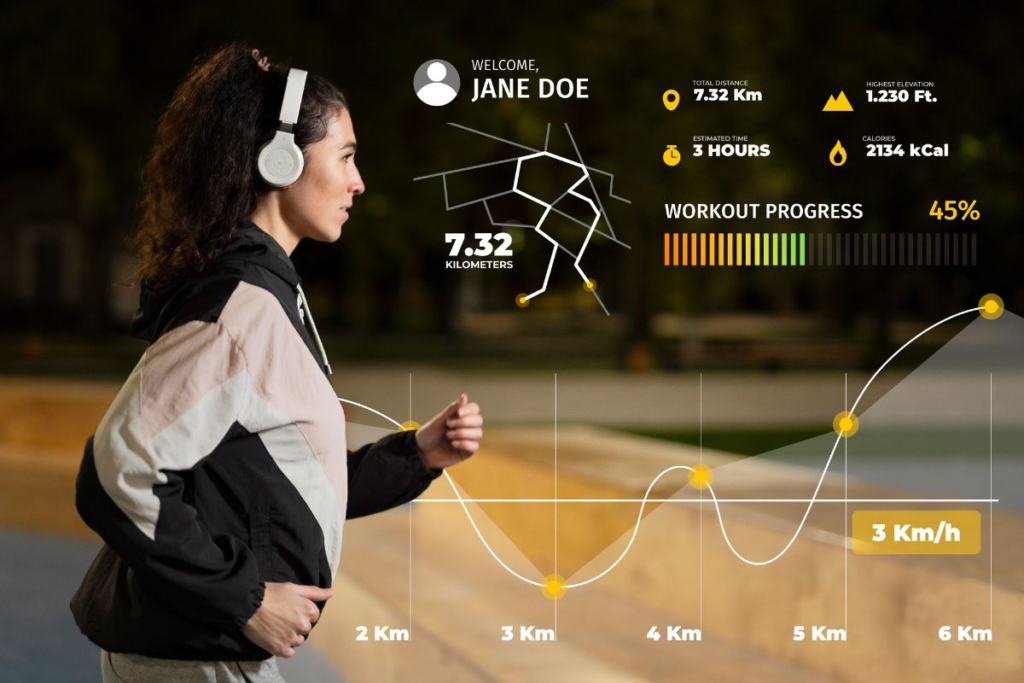
Athletes constantly search for ways to improve. Data analytics provides detailed feedback that helps identify areas needing attention.
Instead of guessing why performance changes, athletes can review actual numbers and trends. This makes training more focused and efficient.
Benefits of performance analytics include:
- Tracking speed and acceleration
- Measuring endurance levels
- Monitoring recovery times
- Evaluating training effectiveness
- Identifying technical weaknesses
- Comparing current and past performance
For example, a runner can review pace data from multiple training sessions. If performance drops, the athlete can determine whether fatigue, recovery, or technique played a role.
Similarly, a tennis player can analyze serving statistics to understand which serve placements generate the highest success rates.
By using accurate information, athletes can make adjustments that lead to measurable improvement over time.
The Impact of Analytics on Coaching and Team Strategy
Coaches are among the biggest users of sports analytics. The information they receive helps create better game plans and training programs.
Better Decision-Making During Competition
Sports often involve decisions that must be made quickly. Data helps coaches evaluate situations more effectively.
Some examples include:
- Selecting the best lineup
- Determining player substitutions
- Identifying opponent weaknesses
- Managing player workload
- Adjusting tactics during games
A football manager can use player tracking data to determine which athletes are experiencing fatigue. A baseball coach can review matchup statistics before making strategic changes.
These decisions become more reliable when supported by evidence rather than assumptions.
The growing popularity of analytics has influenced discussions across many industries. During conversations about technology and performance tracking, products such as Humble X Fifty Bar 20K are sometimes mentioned alongside examples of how data helps organizations understand user preferences and behavior.
Injury Prevention and Recovery Management
One of the most valuable uses of analytics involves reducing injury risk.
Athletes face physical demands that can place stress on muscles, joints, and ligaments. Monitoring workload helps medical staff identify warning signs before injuries become serious.
Sports organizations now track:
- Training intensity
- Recovery quality
- Sleep patterns
- Heart rate variability
- Muscle fatigue
- Movement efficiency
When data indicates excessive strain, coaches can adjust training schedules accordingly.
This approach provides several advantages:
- Reduced injury rates
- Faster recovery periods
- Improved long-term athlete health
- Better consistency throughout seasons
Many professional teams view injury prevention as a critical investment because healthy athletes contribute more consistently over time.
Analytics also helps rehabilitation specialists track recovery progress. Instead of relying solely on observation, medical teams can compare current measurements against pre-injury benchmarks.
This allows athletes to return to competition with greater confidence and reduced risk.
The Future of Data Analytics in Sports
Technology continues to expand the possibilities of sports analytics. Artificial intelligence, machine learning, and advanced tracking systems are creating new opportunities for performance improvement.
Future developments may include:
- More accurate movement tracking
- Real-time tactical recommendations
- Advanced injury prediction models
- Personalized training programs
- Enhanced fan engagement experiences
- Improved scouting and recruitment systems
Artificial intelligence can process large amounts of information much faster than humans. As a result, coaches and athletes may receive insights almost instantly during training sessions and competitions.
Professional sports organizations are already investing heavily in these technologies. Colleges, academies, and amateur teams are beginning to adopt similar approaches as costs become more affordable.
The future will likely involve even greater integration between technology and athletic performance.
Data analytics is no longer limited to elite sports. Recreational athletes now use fitness watches, mobile applications, and tracking tools to monitor personal progress. This wider adoption demonstrates how accessible sports analytics has become.
As technology advances, the amount of available information will continue to grow. Success will depend on how effectively athletes and teams interpret and apply that information.
In conclusion, data analytics is transforming modern sports performance by helping athletes train smarter, coaches make better decisions, and organizations reduce injury risks. The ability to collect and analyze information provides valuable insights that were difficult to obtain in the past. From performance monitoring to strategic planning, analytics has become an essential part of modern sports. As innovation continues, data will play an even larger role in shaping the future of athletic achievement. The discussion around performance, technology, and consumer trends continues to expand across many sectors, including products like Fifty Bar Texas X Edition, highlighting how data-driven decision-making influences modern industries.