
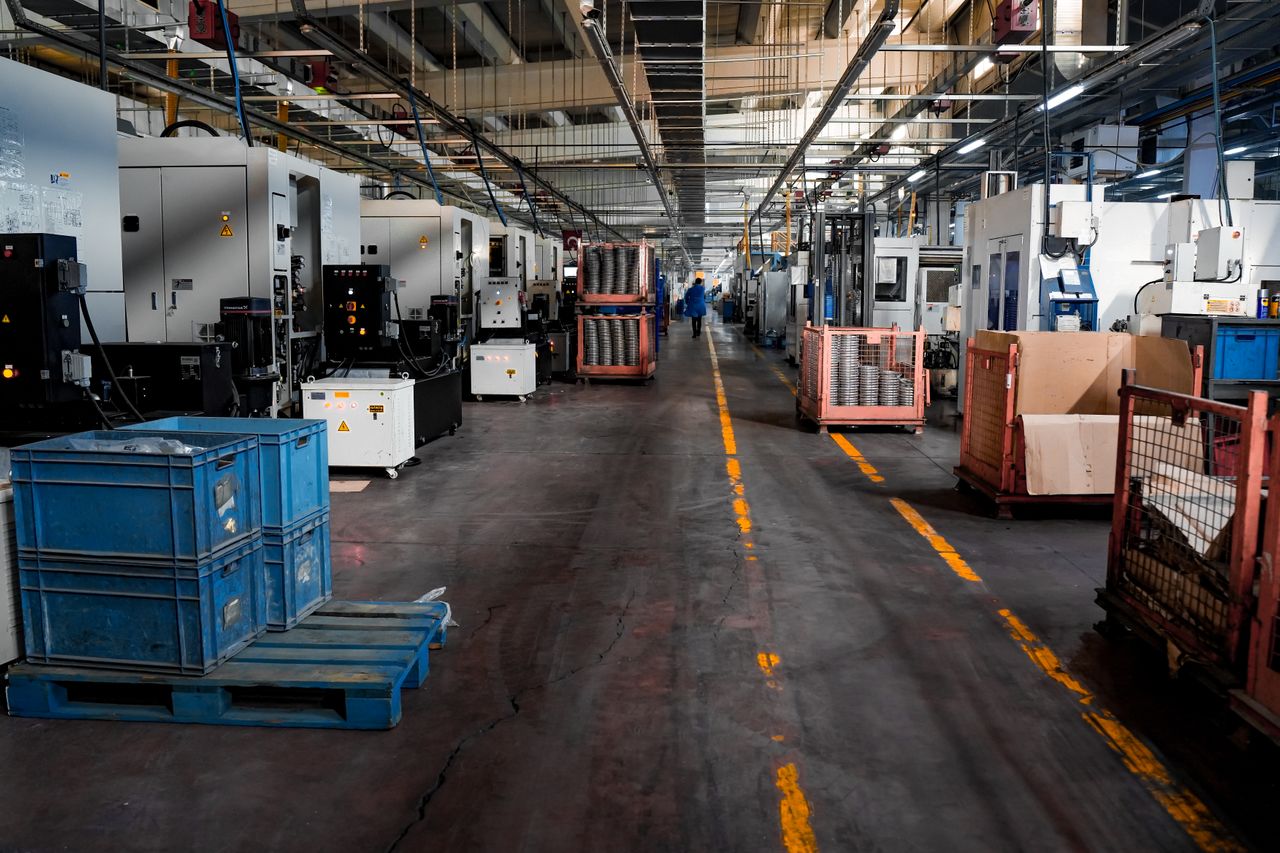
Manufacturing has changed dramatically over the past decade. Rising production costs, supply chain disruptions, and the need for faster delivery have encouraged many U.S. businesses to rethink where they produce their products. Instead of relying solely on overseas factories, companies are increasingly looking closer to home for reliable manufacturing partners.
One solution gaining significant attention is contract manufacturing in Mexico. Thanks to its strategic location, skilled workforce, competitive labor costs, and strong trade relationship with the United States, Mexico has become one of the most attractive manufacturing destinations in North America.
Why U.S. Companies Choose Contract Manufacturing in Mexico
Many manufacturers are discovering that Mexico offers advantages that extend far beyond lower labor costs.
The country’s proximity to the U.S. allows businesses to shorten shipping times, improve communication, and respond more quickly to changing customer demand. Combined with established manufacturing infrastructure, Mexico has become a practical choice for companies across many industries.
Lower Operating Costs
Manufacturing expenses can quickly affect profit margins. Contract manufacturing allows businesses to reduce labor, facility, and operational costs without sacrificing product quality.
Instead of investing millions in building and managing a factory, companies can partner with an experienced manufacturer that already has the equipment and workforce in place.
Faster Delivery Times
Shipping products from Asia can often take several weeks. Manufacturing in Mexico significantly reduces transit times to the United States.
Shorter transportation routes also make inventory management easier and help businesses respond faster to market changes.
Skilled Manufacturing Workforce
Mexico has developed a strong reputation for advanced manufacturing. Workers across the country have experience producing everything from automotive components to electronics, medical devices, consumer products, and industrial equipment.
Many manufacturing facilities also invest in continuous training programs to maintain high production standards.
Industries That Benefit from Contract Manufacturing
Contract manufacturing supports businesses in many different sectors.
Automotive
Mexico is one of the world’s largest automotive manufacturing hubs. Many global vehicle manufacturers source components and finished products from facilities throughout the country.
Electronics
Electronic assemblies, consumer devices, and communication equipment are commonly manufactured using experienced contract partners.
Medical Devices
Strict quality requirements make reliable manufacturing especially important. Many certified facilities specialize in producing medical equipment for international markets.
Consumer Products
From household goods to personal care products, contract manufacturing helps brands scale production without investing in their own factories.
Key Benefits Beyond Cost Savings
Although affordability attracts many businesses, other advantages often become even more valuable over time.
Flexible Production Capacity
Business demand can change quickly. Contract manufacturers often make it easier to increase or reduce production without major capital investments.
This flexibility allows companies to respond to seasonal demand, new product launches, or market growth with less financial risk.
Supply Chain Stability
Producing goods closer to the U.S. helps reduce dependence on long international shipping routes.
When unexpected disruptions occur, shorter supply chains often recover more quickly than overseas alternatives.
Focus on Core Business Activities
Managing a manufacturing facility requires significant time and resources. Outsourcing production allows companies to concentrate on product development, marketing, customer service, and business growth instead.
What to Look for in a Manufacturing Partner
Choosing the right manufacturer is just as important as choosing the right location.
Industry Experience
Look for companies that have experience producing products similar to yours. Familiarity with your industry often results in smoother production and fewer delays.
Quality Control Standards
Reliable manufacturers follow documented inspection procedures and maintain certifications that support consistent product quality.
Communication
Clear communication helps prevent production issues before they become expensive problems. A responsive manufacturing partner should provide regular project updates throughout production.
Scalability
Your manufacturing needs today may be very different next year. A partner with room to expand production can support long-term business growth.
Common Misconceptions
Some businesses still assume manufacturing in Mexico only benefits large corporations. In reality, companies of all sizes can benefit from contract manufacturing.
Small and medium-sized businesses often use manufacturing partners to avoid large startup costs while gaining access to experienced production teams.
Another misconception is that lower costs automatically mean lower quality. Many Mexican manufacturing facilities operate under internationally recognized quality standards and produce products for some of the world’s leading brands.
Is Contract Manufacturing Right for Your Business?
If your company is facing rising production costs, long shipping times, or limited manufacturing capacity, contract manufacturing may provide a practical solution.
Businesses that value shorter lead times, flexible production, and closer collaboration with manufacturing partners often find Mexico to be an excellent location.
Conclusion
For companies looking to improve efficiency while maintaining product quality, contract manufacturing in Mexico offers a compelling alternative to traditional overseas production. Lower operating costs, skilled labor, faster delivery, and stronger supply chain resilience make it an increasingly attractive option for businesses serving the U.S. market.
By choosing an experienced manufacturing partner and planning carefully, businesses can reduce operational challenges, improve responsiveness, and position themselves for sustainable long-term growth.