
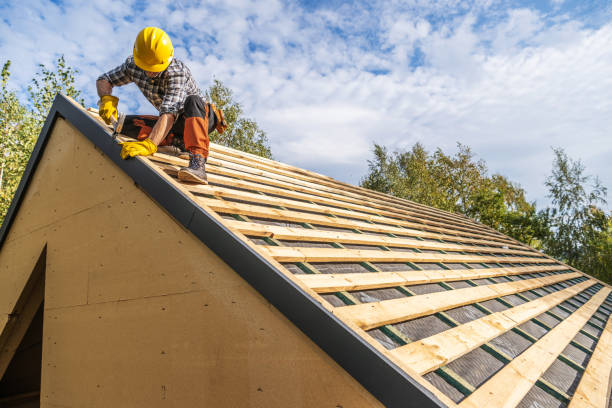
Property owners recognize hidden roof leak structural damage by searching for interior ceiling discoloration, inspecting attic rafters for dark water stains, and tracking localized paint blistering near exterior walls. Catching these early indicators prevents wood rot from compromising architectural stability and limits costly repairs over time. Addressing minor flashing gaps or cracked shingles promptly protects internal insulation layers from absorbing hidden moisture during prolonged winter storm cycles. Discerning property owners frequently rely on Seattle Roof Systems to accurately evaluate underlying roofing assembly vulnerabilities before small problems escalate into complete material failure.
Key Takeaways
- Discoloration on the ceiling drywall signals active water migration through structural insulation.
- Dark moisture stains along attic rafters indicate failure in the secondary protective underlayment.
- Peeling paint near exterior fascia boards often points to blocked perimeter drainage systems.
- Early detection of moisture pooling protects wood decking components from structural rot.
The long-term durability of a residential structure depends entirely on maintaining a secure, uncompromised overhead weather barrier. Continuous exposure to damp maritime air forces older building materials to degrade faster, causing microscopic entry points to develop along valleys and vent pipes. Entrusting routine physical inspections to qualified field technicians ensures that minor structural anomalies receive proper care before seasonal rainfall spikes begin.
Evaluating Maritime Weather Pressures and Underlayment Failure
The regional climate presents unique atmospheric challenges that alter how residential roofs age and drop in structural performance over consecutive seasons. Consistent heavy drizzle, dense marine fog, and low sunlight exposure prolong the drying times of traditional composition shingles. These damp conditions encourage rapid biological growth, which roots deeply into material seams and slowly lifts protective outer layers.
Data from regional building inspector surveys reveal that forty-five percent of residential attic mold discoveries originate from slow, unaddressed valley leaks. When moisture bypasses cracked shingles, it saturates the underlying felt paper and pools on the structural plywood deck. Replacing standard organic felt paper with heavy-duty synthetic underlayment provides superior multi-layered water resistance across complex architectural designs.
Essential Elements for Weather Protection
- High-performance synthetic underlayment resists moisture tearing far better than traditional organic felt.
- Self-adhering ice and water shields insulate vulnerable roof valleys and multi-angle intersections.
- Algae-resistant shingle granules restrict destructive moss roots from breaking down composite materials.
- Heavy-gauge steel drip edges guide rainwater directly into gutters without saturating fascia boards.
Modern Diagnostic Field Work and On-Site Repair Solutions
Locating the precise origin of a hidden ceiling leak requires tracing water pathways from the lower living areas up into the attic structure. Water rarely travels in a straight vertical line; it often enters through a cracked ridge cap, flows down a sloped rafter, and drips onto drywall feet away from the initial puncture. Experienced technicians use thermal imaging devices to map these invisible moisture trails through thick fiberglass insulation blankets without removing drywall panels.
Homeowners dealing with active water intrusion during heavy winter downpours benefit greatly from utilizing fully equipped mobile service vehicles. Scheduling specialized Mobile roofers’ services in Seattle, WA, guarantees that certified crews arrive with commercial-grade tarps, replacement flashing kits, and rubberized sealants to address emergency structural vulnerabilities immediately. Local crews understand how to navigate steep residential neighborhood layouts while carrying full repair setups directly to the job site.
Once the immediate water entry point is sealed, field technicians inspect surrounding chimney flashings, skylight perimeters, and soil pipe boots. These penetration zones experience high thermal movement, causing older caulking compounds to dry out, split, and separate from structural masonry surfaces. Installing premium silicone boots and counter-flashing assemblies restores a watertight seal that accommodates natural building settling.
Critical Stages of Structural Leak Analysis
- High-resolution thermal mapping detects hidden pockets of trapped water within ceiling insulation.
- Direct rafter examinations reveal ancient water tracks and structural plywood degradation zones.
- Penetration boot replacements substitute brittle rubber collars with durable metal sealing systems.
- Counter-flashing adjustments secure masonry junctions against wind-driven lateral rain penetration.
Crucial Decision Factors Before Scheduling Structural Restoration
Property owners must evaluate several core operational elements before hiring an organization to execute extensive roof restorations or structural repairs. Verifying that a company carries comprehensive general liability insurance and active state worker protection credentials preserves property safety during complex projects. Authentic providers display these regulatory licensing numbers openly on all formal paperwork and service vehicles.
Reviewing the specific materials proposed for structural patches also demands close attention from property owners seeking a long-lasting renovation investment. Lower-grade asphalt sealants dry out within two summer cycles, causing patchwork to crack open during subsequent freezing conditions. Demanding commercial-grade polymers ensures the repair matches the remaining design lifespan of the surrounding shingle assembly.
Production timing represents the final variable, as high wind speeds and active downpours complicate the application of permanent adhesive sealants. Elite field teams maintain constant contact with regional meteorological services, utilizing dry weather breaks to install permanent shingle replacements safely. When storms prevent immediate permanent installations, crews apply specialized temporary membranes to keep the home interior dry.
Practical Maintenance Habits for Extending Overhead Lifespans
Preserving structural integrity requires simple, proactive seasonal habits from property owners to prevent premature roof system failures. Clearing away accumulated tree limbs, pine needles, and deciduous leaves prevents organic dams from trapping water against vulnerable shingle edges. This simple debris removal keeps water moving smoothly toward downspouts rather than backing up under perimeter eave materials.
Inspecting gutter systems twice annually ensures that heavy seasonal downpours drain away from foundational structures without overflowing back onto fascia boards. Clogged gutters force rainwater upward beneath the lower row of shingles, rotting the structural perimeter deck over several years. Ensuring that downspouts remain clear of debris clusters prevents these localized pooling issues entirely.
Actionable Home Preservation Tactics
- Sweep away organic pine needle clusters annually to eliminate damp debris dams.
- Clear perimeter gutter channels regularly to guarantee continuous rainwater drainage during storms.
- Inspect low-clearance attic spaces seasonally to look for early structural roof leaks.
Conclusion
Identifying hidden roof leaks early relies on a combination of regular attic tracking, premium material selection, and strategic field coordination. Recognizing how maritime weather breaks down older flashing elements allows property owners to take proactive steps before structural wood rot develops. Committing to routine physical observations and utilizing certified field crews ensures that residential structures remain dry, safe, and protected against severe seasonal transitions.
Connect With Professional Roof Restoration Specialists
Sustaining residential property value demands a dedicated focus on precise leak detection, premium material utilization, and dependable structural repair standards. The experienced field team specializes in rapid water source identification, complete flashing updates, and high-durability shingle replacements designed for regional home styles. Reach out directly to discuss upcoming inspection needs, obtain a comprehensive repair estimate, and schedule an on-site structural evaluation with trusted local specialists focused on long-term architectural preservation.
Frequently Asked Questions
How do blocked gutters cause structural water damage beneath shingles?
When gutters fill with organic debris, rainwater cannot flow through the downspouts and backs up over the eave edges. This pooling water forces its way underneath the lower shingle rows, rotting the wooden fascia boards and structural roof decking.
What are the main indicators that a chimney flashing system is failing?
Failing chimney flashing typically causes localized water staining on ceilings near the fireplace structure or damp bricks inside the attic. The metal seals surrounding the masonry often warp, rust, or separate from the mortar joints over time due to building settling.
Why do minor roof leaks often go unnoticed during the summer months?
Minor roof leaks frequently go unnoticed during dry summer periods because rainfall is infrequent and light. The small amount of water entering the structure evaporates within the hot attic cavity before it can saturate insulation and stain interior ceilings.
Can a property owner patch an isolated section of shingles without replacing the entire roof?
An isolated patch of shingles can be replaced successfully if the surrounding roofing materials remain flexible and structurally sound. However, if the remaining composition shingles are brittle and worn, attempting localized repairs may damage adjacent sections during installation.