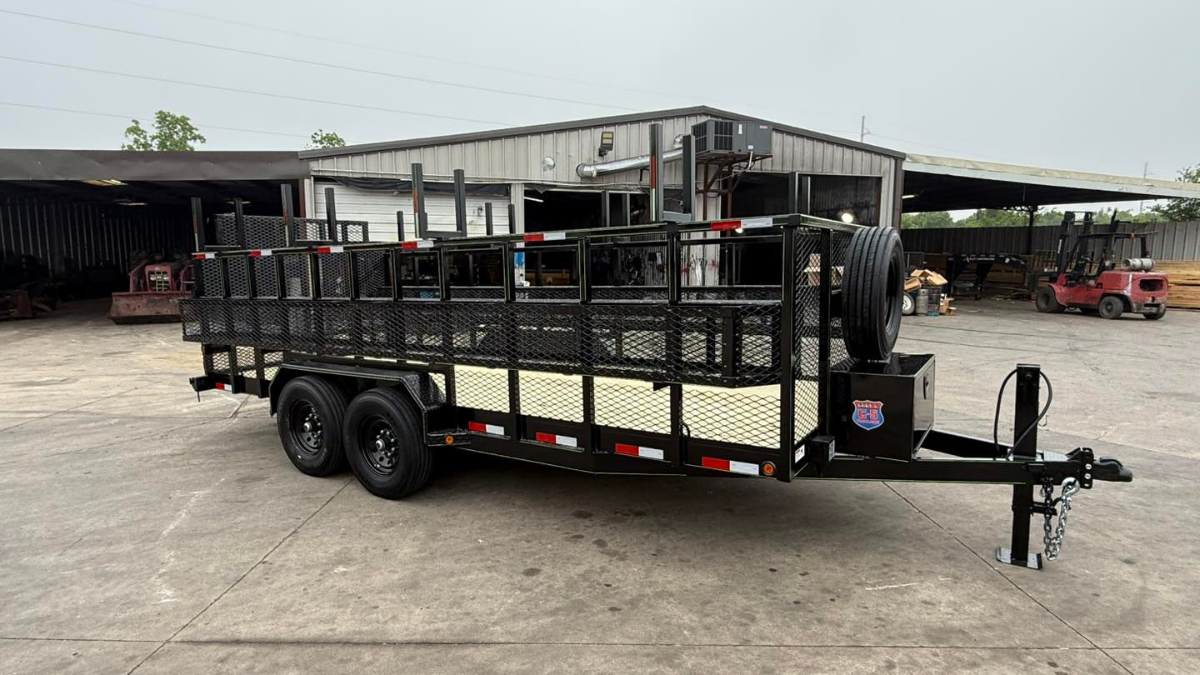
Transporting goods safely requires the right equipment for every type of load. Businesses dealing with machinery, construction materials, vehicles, or oversized products often need trailers designed for specific tasks. Specialty Trailers provide dependable support by matching the trailer to the cargo, reducing damage risks and making loading easier. Proper trailer selection also improves transport efficiency, lowers operating costs, and helps businesses complete deliveries with greater confidence.
Why Choosing the Right Trailer Matters
Every shipment has different requirements depending on its size, weight, shape, and destination. Standard trailers may not provide the stability or capacity needed for heavy or unusual cargo. Selecting the proper trailer reduces unnecessary movement during transportation and helps secure the load correctly. Drivers also gain better control because the cargo weight is distributed more evenly. Businesses that choose suitable trailers often experience fewer delays, lower repair costs, and better customer satisfaction through dependable deliveries.
Different Types of Specialty Trailers
Several trailer designs serve different industries and transportation needs. Flatbed trailers handle oversized materials, lowboy trailers carry heavy construction equipment, enclosed trailers protect valuable cargo from weather, and tilt trailers simplify loading wheeled machinery. Refrigerated trailers maintain controlled temperatures for sensitive products. Each design solves a specific transport challenge without requiring complicated loading methods. Matching the trailer type to the shipment improves efficiency, reduces handling time, and protects valuable goods throughout the journey.
How Proper Loading Improves Cargo Safety
Safe loading begins with understanding the cargo’s weight, dimensions, and balance. Positioning heavy items correctly helps maintain trailer stability throughout the trip. Strong tie-downs, straps, and chains prevent movement that could damage products or affect vehicle control. Balanced loading also reduces pressure on tires, axles, and suspension systems. Drivers benefit from improved steering and braking performance, making transportation safer for both the cargo and everyone sharing the road during delivery.
Step-by-Step Guide to Better Cargo Handling
Successful cargo handling follows a simple process that reduces mistakes and improves safety. Careful preparation protects both equipment and freight throughout transportation. Every step contributes to smoother loading and unloading while reducing unnecessary delays.
- Inspect the trailer before loading.
- Measure cargo dimensions and weight.
- Select suitable securing equipment.
- Distribute weight evenly across the trailer.
- Tighten all restraints carefully.
- Perform a final safety inspection before departure.
- Recheck cargo security during scheduled travel stops.
Benefits for Different Industries
Many industries rely on specialized trailers to move products safely and efficiently. Construction companies transport heavy machinery, farming businesses carry equipment between fields, and manufacturers deliver oversized components to production sites. Vehicle dealerships move cars using dedicated transport trailers designed for secure loading. Event companies also depend on specialized trailers for staging equipment and large displays. Proper transportation solutions reduce handling risks, shorten loading times, and support reliable scheduling across many business operations.
Features That Make Cargo Handling Easier
Modern trailer designs include practical features that improve loading, transportation, and unloading efficiency.
- Low loading heights reduce lifting effort.
- Adjustable ramps simplify equipment access.
- Strong tie-down points improve cargo security.
- Durable flooring supports heavy loads.
- Multiple axle configurations improve weight distribution.
- Weather protection keeps sensitive cargo safe.
- Hydraulic systems reduce manual labor during loading.
- Stable frames improve control during long-distance transportation.
Long-Term Value for Businesses
Investing in suitable transportation equipment provides lasting operational benefits. Proper trailers reduce cargo damage, lower maintenance expenses, and minimize delivery interruptions caused by loading problems. Employees complete loading tasks more efficiently because equipment is designed for the cargo being transported. Customers also appreciate reliable delivery schedules and well-protected shipments. Over time, businesses build stronger reputations by consistently delivering products safely, helping create repeat business and long-term commercial relationships.
Conclusion
Reliable cargo transportation depends on selecting equipment that matches the shipment’s specific requirements. Specialty trailers provide greater stability, safer loading, better cargo protection, and improved operational efficiency across many industries. Businesses that invest in the right trailer solutions reduce transportation risks, improve productivity, and lower long-term operating costs. Careful planning, proper loading techniques, and routine equipment inspections work together to support dependable deliveries and protect valuable cargo throughout every stage of transportation.