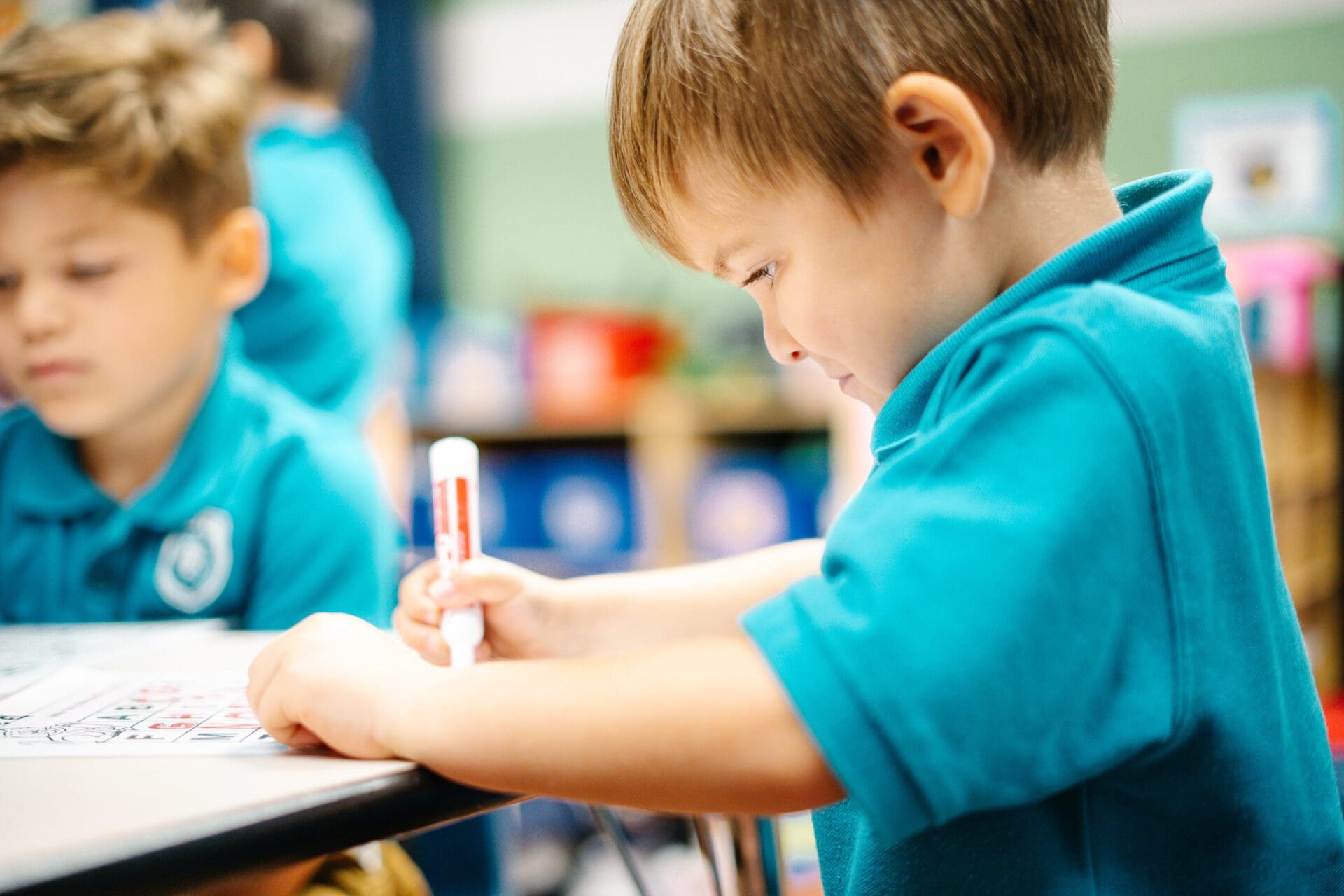
Children develop important skills long before they enter elementary school. A strong preschool experience gives them the confidence to learn, communicate, and work with others in a classroom. Families looking for quality early education often consider Davie VPK because it provides structured learning that supports academic growth and personal development. A well-planned program creates a positive foundation that helps children begin kindergarten with greater confidence and curiosity.
Building Strong Early Learning Skills
A quality VPK program introduces children to basic reading, writing, math, and language activities through enjoyable lessons. Teachers use stories, songs, games, and hands-on projects to keep children interested while developing essential learning abilities. Students practice recognizing letters, identifying numbers, counting objects, and understanding simple patterns. Daily classroom activities also encourage listening, following directions, and asking questions. These experiences help children become comfortable with learning routines and prepare them for the expectations they will meet in kindergarten.
Supporting Social and Emotional Growth
Learning involves much more than academic knowledge. Children also need emotional confidence and positive social skills to succeed in school. Classroom activities encourage sharing, taking turns, solving simple problems, and respecting others. Teachers guide children through group projects and classroom discussions that build communication skills. Daily interactions with classmates teach patience, kindness, and cooperation. These experiences help children become more independent and comfortable working with others, making the move into kindergarten less stressful and more enjoyable.
Developing Healthy Daily Routines
Consistent routines help young children understand what to expect during the school day. A structured schedule includes learning time, creative play, outdoor activities, snacks, and rest periods. Following these routines teaches responsibility and improves time management from an early age. Children become familiar with classroom expectations such as cleaning up, organizing materials, and completing simple tasks. Regular practice with these habits allows children to adjust more easily to kindergarten schedules and classroom responsibilities.
Encouraging Language and Communication Skills
Language development plays a major role in school success. Teachers encourage children to express their ideas through conversations, storytelling, singing, and classroom discussions. Reading books together introduces new vocabulary and improves listening comprehension. Creative activities such as role-playing and show-and-tell build confidence in speaking with others. Children also learn how to ask for help, answer questions clearly, and communicate respectfully. Strong communication skills support both academic achievement and positive relationships throughout their educational journey.
Building Confidence Through Hands-On Learning
Hands-on learning allows children to explore ideas through direct experience rather than memorization alone. Art projects, science experiments, puzzles, building blocks, and sensory activities encourage curiosity and creative thinking. Children learn how to solve problems by testing ideas and making observations. Teachers guide these experiences without completing tasks for students, helping children develop confidence in their own abilities. Successful participation in engaging classroom activities creates a positive attitude toward learning that continues into kindergarten and beyond.
Simple Ways Parents Can Support Kindergarten Readiness
Parents play an important role in preparing children for school success. Simple daily habits at home strengthen the lessons children learn in their VPK classrooms.
- Read together every day to build vocabulary and listening skills.
- Practice counting objects during daily activities.
- Encourage drawing, coloring, and simple writing exercises.
- Allow children to make small choices to build independence.
- Create regular bedtime and morning routines.
- Talk about feelings and encourage respectful communication.
- Praise effort instead of focusing only on correct answers.
- Give children opportunities to play with other children.
These activities strengthen learning while helping children feel confident and prepared for kindergarten.
Choosing the Right VPK Program
Selecting the right program requires careful attention to several important factors. Families should look for experienced teachers who understand child development and create welcoming classrooms. Small class sizes often allow children to receive more individual attention during learning activities. Clean, safe facilities with age-appropriate learning materials also contribute to a positive educational experience. Visiting the classroom, meeting teachers, and observing daily activities can help parents determine whether the program matches their child’s learning style and developmental needs.
Conclusion
Kindergarten readiness begins long before the first day of elementary school. A quality VPK program helps children build academic knowledge, social confidence, communication skills, and positive daily habits that support future success. Children who experience structured early learning often adjust more comfortably to classroom expectations and enjoy learning with greater confidence. Parents who choose a supportive VPK environment and continue learning activities at home provide their children with a strong foundation that encourages lifelong educational growth and personal development.
FAQs
What is a VPK program?
A VPK program is a voluntary pre-kindergarten program designed to prepare four-year-old children for kindergarten through structured early learning activities.
What skills do children learn in VPK?
Children develop early reading, writing, math, communication, social, emotional, and problem-solving skills that support future classroom success.
Why is kindergarten readiness important?
Kindergarten readiness helps children adapt to school routines, participate confidently in classroom activities, and build a strong academic foundation.
How can parents support learning at home?
Parents can read with their children, practice counting, encourage conversations, maintain routines, and provide opportunities for creative play every day.
What should parents look for in a VPK program?
Parents should consider qualified teachers, safe classrooms, structured learning activities, positive teacher-child interactions, and an environment that supports both academic and social development.