
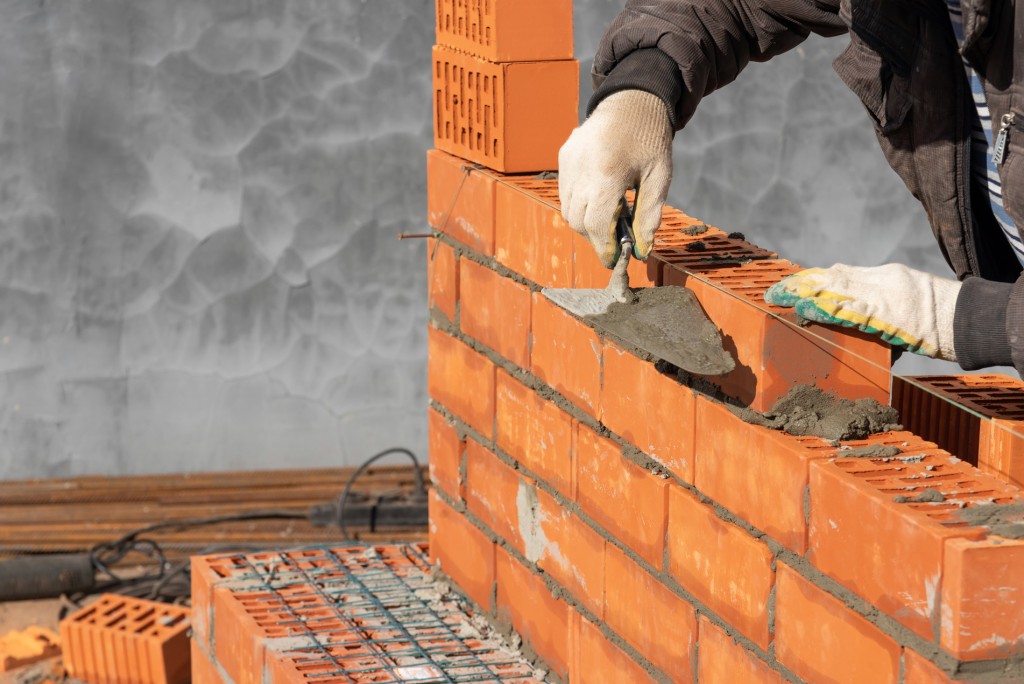
Building strength depends on quality materials, proper construction methods, and careful planning. Masonry has remained one of the most trusted construction techniques because it provides stability, durability, and long-term performance. Property owners often choose brick, stone, or concrete block structures because they resist wear and require less maintenance. Working with a Masonry Contractor also helps ensure every part of the structure is installed correctly for dependable results.
Why Masonry Creates Strong and Stable Structures
Masonry works by combining individual units with mortar to create a solid structure that distributes weight evenly. This balanced load distribution reduces stress on specific areas and helps buildings remain stable for many years. Properly built masonry walls can withstand heavy loads without losing their shape. The strength of the finished structure depends on quality materials, skilled workmanship, and correct installation methods. These factors work together to provide dependable support for residential, commercial, and industrial buildings under different environmental conditions.
The Role of Quality Materials in Structural Performance
Construction materials directly affect the lifespan and strength of any building. Bricks, natural stone, and concrete blocks each provide different advantages, yet all offer reliable structural support when selected carefully. Strong mortar bonds these materials together, creating a unified wall system that performs well under pressure. Moisture-resistant materials also help prevent cracks caused by changing weather conditions. Choosing high-quality masonry products reduces future repair needs and allows buildings to maintain their structural integrity over many decades with routine maintenance.
How Proper Construction Techniques Improve Strength
Correct installation is just as important as selecting quality materials. Every stage of construction contributes to the final strength of the building. Careful planning helps avoid weak points that could reduce stability over time. Professional builders usually follow a clear process that includes:
- Preparing a solid and level foundation.
- Selecting suitable masonry materials.
- Mixing mortar with the correct consistency.
- Placing each unit with accurate alignment.
- Checking wall levels throughout construction.
- Allowing proper curing before applying heavy loads.
These steps help produce durable structures that remain reliable for many years.
Resistance to Weather and Natural Conditions
Masonry buildings perform well under changing weather because the materials naturally resist rain, wind, sunlight, and temperature changes. Dense construction helps reduce water penetration and limits damage caused by moisture. Brick and stone also resist insects, rot, and many forms of decay that affect other building materials. Proper drainage systems and quality mortar joints provide additional protection against water damage. These features allow masonry structures to maintain their appearance and strength despite years of exposure to outdoor conditions.
Fire Resistance and Long-Term Safety
Safety is an important advantage of masonry construction. Brick, stone, and concrete blocks are non-combustible materials that help slow the spread of fire. This extra protection provides occupants with additional time during emergencies and reduces structural damage. Masonry walls also maintain their strength under high temperatures better than many alternative building materials. Long-lasting performance makes masonry a practical choice for schools, offices, homes, and commercial buildings where safety, durability, and reliable structural performance remain important priorities.
Long-Term Benefits of Masonry Construction
Buildings constructed with masonry provide lasting value because they require relatively little maintenance compared to many other construction methods. Strong walls resist impact, weather damage, and normal wear without frequent repairs. Owners also benefit from improved sound insulation and better indoor temperature control due to the natural density of masonry materials. These advantages contribute to lower maintenance costs and dependable building performance. Long service life makes masonry an excellent investment for projects designed to remain functional for generations.
Conclusion
Masonry continues to be one of the strongest construction methods because it combines durable materials with reliable building techniques. Strong foundations, quality workmanship, and proper installation all contribute to structures that withstand heavy loads and changing weather conditions. Fire resistance, low maintenance, and long service life make masonry suitable for many types of buildings. Choosing experienced professionals and high-quality materials helps ensure every project delivers dependable strength, lasting stability, and excellent value for many years.