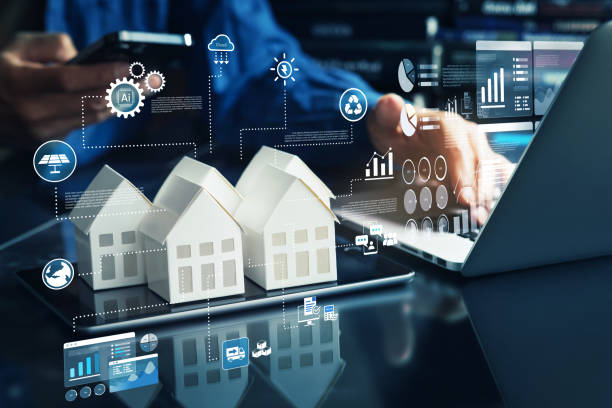
Businesses which run industrial facilities have made sustainability a key priority. In terms of energy usage, and environmental impact, organizations are looking to be smarter in managing their premises, and at the same time stay efficient in their operations. The management of industrial property should be critical in reaching these objectives by making sure that facilities are running efficiently, in line with regulations and contribute towards long-term sustainability projects.
To investors who are interested in the industrial property as a property to sell, it is imperative to know the relationship between property management and sustainable facility operations. Properly operated industrial assets not only lower the operating expenses but also enhance the value of their property, help draw good tenants, and enhance business performance in general.
What Is the Industrial Property Management?
Industrial property management is the management of warehouses, manufacturing facilities, distribution centers, logistics facilities, and other industrial real estate properties. The property managers are involved in the daily activities, maintenance, relationship with tenants, safety standards and optimization of facilities.
They usually have the following responsibilities:
- Preventive maintenance programs
- Improved energy management and efficiency.
- Waste reduction initiatives
- Health and safety and regulatory compliance.
- Vendor and contractor management.
- Asset lifecycle planning
With these areas in mind, property managers assist facilities to run sustainably and to optimize returns to owners and investors.
The purpose of Sustainability in industry plants.
Sustainable facility operations are directed to decrease the environmental impact without decreasing productivity. The International Energy Agency (IEA) confirms that buildings consume almost 30 percent of global energy, which makes the efficient management of the facility vital.
Industrial properties have a very significant way of enhancing sustainability by:
Energy Efficiency Improvements
Some of the strategies adopted by modern industrial property managers are:
- LED lighting upgrades
- Smart building automation systems.
- Energy-efficient HVAC equipment
- Motion-sensor lighting controls
- Renewable energy integration
These enhancements assist in cutting down the utility expenses and reducing the carbon emission.
Water Conservation Practices
The issue of water management is growing of significance to industrial plants. Sustainable practices include:
- Leak detection systems
- Low-flow fixtures
- Rainwater harvesting
- Water recycling programs
These measures assist the facilities to minimize waste and promote the environmental objectives.
The role of Industrial Property Management in promoting Sustainable Operations.
Preventive Maintenance Programs
Regular maintenance means the efficiency and increased life of equipment. Scheduling inspections and repairs by property managers can prevent expensive failures.
Benefits include:
- Reduced energy consumption
- Lower repair expenses
- Extended equipment lifespan
- Improved operational reliability
Downtimes are also minimized with a proactive maintenance plan that enables businesses to stay productive.
Waste Management and Recycling.
Proper industrial property management encourages proper waste disposal and recycling programs.
Examples include:
- Segregating recyclable materials
- Reducing packaging waste
- Safe handling of hazardous material.
- Collaboration with recycling operators that are certified.
These programs will help in achieving the targets of sustainability as well as operational efficiency.
Environmental Standards and Regulatory Compliance.
There are numerous environmental rules that need to be adhered to in industrial plants. Property managers assist in getting the local, state and federal requirements to comply with the following:
- Air quality standards
- Waste disposal regulations
- Water management practices
- Occupational safety requirements
The adherence to the law minimizes legal risks and reinforces the environmental image of the company.
The influence of technology on sustainable property management.
Smart Building Solutions
The use of technology has changed the management of industrial facilities. Intelligent systems can monitor in real time:
- Energy usage
- Equipment performance
- Indoor environmental conditions
- Security systems
Evidence-based information assists managers to detect areas of inefficiency and take corrective action within a short time.
Predictive Analytics
Predictive maintenance technology involves sensors and analytics to anticipate possible equipment failures and prevent them. This minimizes waste, enhances reliability, as well as reduces unnecessary consumption of resources.
The relevance of Sustainability in Nurturing Industry Property Investors.
Sustainability features have become an important consideration among investors looking to buy industrial properties since it provides financial advantages in the long run.
Advantages include:
- Lower operating expenses
- Higher tenant satisfaction
- Increased property value
- Reduced environmental risks
- Enhanced market competitiveness
Moreover, customers usually contrast the opportunities in the country and find the houses sold around me to understand the market trends and determine the facilities with good sustainability status.
Houses that have efficient systems and are managed in a sustainable way are often in high demand and fetch higher returns.
Recommendations on Sustainable management of Industrial Property.
Create a Sustainability Strategy
Create quantifiable objectives of:
- Energy reduction
- Water conservation
- Waste management
- Carbon footprint reduction
Make an investment in Modern Infrastructure.
The modernization of old systems can contribute to a high level of efficiency and low costs of operating in the long run.
Conduct Regular Audits
Audits of the facility can point to areas of improvement and make sure that the sustainability goals are achieved.
Conclusion
The modern industrial real estate market does not allow sustainable facility operations to be an option anymore. Efficient management of industrial property assists organizations to minimize expenses, enhance efficiency, remain regulatory compliant and be environmentally responsible. To investors considering the sale of industrial properties for sale, longevity-oriented management measures can greatly boost the performance and long-term value of property. With businesses upholding more environmental stewardship, industrial properties that adopt smart management systems will be competitive and appealing to tenants, buyers, and stakeholders. Regardless of whether you are dealing with an asset or are conducting research on sales within the area, sustainability is one of the main factors to consider in any industrial property decisions.