
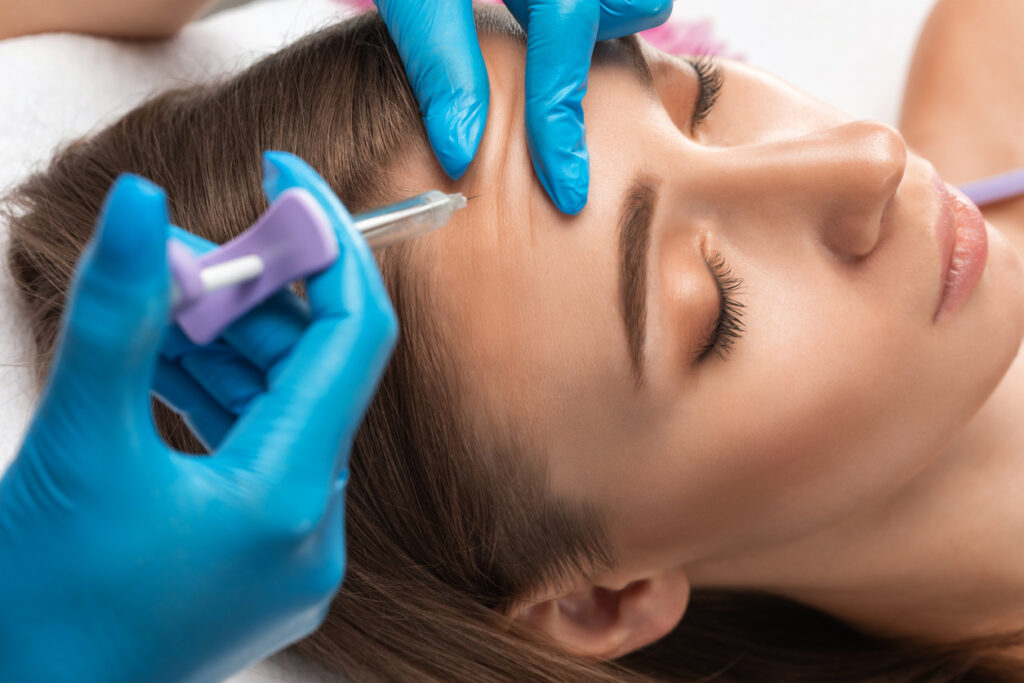
Recovery from aesthetic surgery depends on the procedure, your overall health, and how closely you follow medical advice. Most people want to know when they can return to work, exercise, and normal daily activities. Choosing Utah Aesthetic Surgery with an experienced surgeon and following proper aftercare can support steady healing and reduce unnecessary delays. Every recovery follows its own pace, making patience and consistency important throughout the process.
Factors That Affect Recovery Time
Recovery is influenced by several personal and medical factors rather than a fixed calendar. Smaller procedures often require only a few days of rest, while more involved surgeries may need several weeks before regular activities become comfortable. Age, nutrition, hydration, sleep quality, and existing medical conditions all play a role. Following instructions about medications, wound care, and activity restrictions also helps reduce the risk of complications and supports a healthier recovery from the beginning.
General Recovery Timeline
Most cosmetic procedures follow a predictable healing pattern, although individual progress differs. The first week usually includes swelling, bruising, and mild discomfort that gradually improves with rest and prescribed care. Many patients return to desk jobs within one to two weeks depending on the procedure. Physical activities often resume gradually over several weeks with medical approval. Final results may continue developing for several months as swelling decreases and tissues settle into their new shape.
Caring For Yourself During Recovery
Proper self-care supports healing and helps prevent unnecessary setbacks. Plenty of rest allows the body to repair tissues efficiently, while balanced meals provide nutrients needed for recovery. Drinking enough water helps maintain healthy circulation and supports normal body functions. Keeping surgical areas clean and protected lowers infection risk. Attending every follow-up visit allows the surgeon to monitor healing, answer questions, and make adjustments to your recovery plan whenever necessary.
Returning To Daily Activities
Daily routines should resume gradually rather than all at once. Walking for short periods often begins within the first few days because gentle movement supports circulation. Driving, lifting heavy objects, and returning to demanding work usually require medical approval. Exercise should also restart slowly to avoid placing stress on healing tissues. Listening to your body and reporting unusual symptoms promptly can help prevent problems and keep recovery moving in the right direction.
Managing Expectations Throughout Healing
Patience plays a valuable role during cosmetic surgery recovery because visible improvements appear over time rather than overnight. Swelling often hides early results, making temporary changes completely normal. Comparing progress with others may create unrealistic expectations because every person heals differently. Taking photographs at recommended intervals can help track gradual improvements. Open communication with your surgeon also provides reassurance and keeps expectations based on realistic healing milestones instead of guesswork.
Simple Steps That Support Better Healing
Healthy recovery depends on consistent habits rather than quick fixes. The following practices can make the healing period smoother and more comfortable:
- Follow every instruction provided by your surgeon.
- Take medications exactly as directed.
- Sleep with the recommended body position.
- Drink plenty of water each day.
- Eat balanced meals rich in protein and vitamins.
- Avoid smoking and excessive alcohol.
- Attend every scheduled follow-up appointment.
- Contact your medical team about unusual pain, fever, or excessive swelling.
Signs That Recovery Is Progressing Well
Steady improvement is usually the best sign that healing is moving in the right direction. Bruising gradually fades, swelling slowly decreases, and discomfort becomes easier to manage with less medication. Incisions often begin closing properly and appear healthier during follow-up visits. Energy levels also improve as the body continues repairing itself. Small changes each week are generally more meaningful than daily comparisons, helping patients appreciate gradual progress with greater confidence and peace of mind.
Conclusion
Aesthetic surgery recovery usually takes anywhere from several days to a few months, depending on the procedure and individual healing ability. Careful planning, realistic expectations, and following professional medical guidance all contribute to better results. Giving the body enough time to heal allows surgical outcomes to develop naturally without unnecessary setbacks. Staying patient throughout the process helps many people enjoy lasting results while returning to normal activities safely and comfortably.