In industrial piping systems, every threaded connection plays a crucial role in maintaining safety, efficiency, and long-term performance. Whether transporting water, oil, gas, chemicals, or compressed air, pipe fittings must create a secure seal to prevent leaks. Even the smallest imperfection in a pipe thread can result in pressure loss, product contamination, equipment failure, or expensive downtime. That is why manufacturers and quality control professionals rely on precision inspection tools during production.
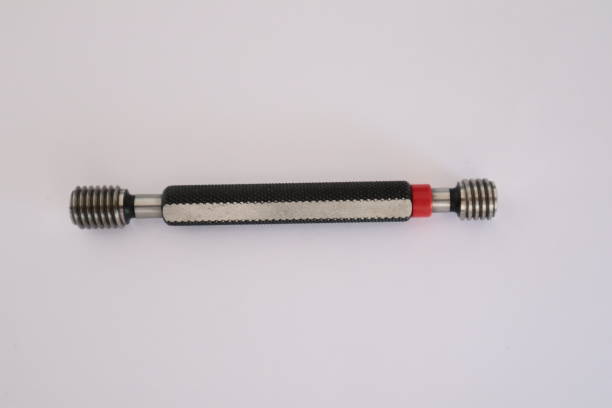
One of the most trusted tools for verifying tapered pipe threads is the Npt Thread Gauge. Designed to inspect National Pipe Taper (NPT) threads, this gauge helps ensure that threaded components meet required dimensional standards before they are installed or delivered to customers. Accurate thread inspection minimizes manufacturing defects and contributes directly to leak-free pipe connections.
This article explains how proper thread gauging improves quality control, supports reliable sealing, and enhances the performance of industrial piping systems.
Why Leak Free Pipe Connections Matter
Threaded pipe joints are used in countless industries because they are durable, reliable, and relatively easy to assemble. However, their performance depends entirely on thread accuracy. If a thread is cut too deep, too shallow, or with an incorrect taper, the connection may fail to seal properly.
Leaks can have serious consequences, including:
- Product loss
- Environmental contamination
- Reduced system pressure
- Increased maintenance costs
- Equipment damage
- Safety risks for workers
- Production downtime
For industries such as oil and gas, chemical processing, hydraulic systems, and water treatment, preventing leaks is not simply a quality objective—it is an operational necessity.
Understanding NPT Threads
National Pipe Taper (NPT) threads are engineered with a slight taper that allows the male and female threads to tighten together and create a pressure-resistant seal. Unlike straight threads, tapered threads become tighter as they are assembled, producing a secure mechanical connection.
Because sealing performance depends on precise thread geometry, every manufactured component must be inspected carefully. Small dimensional variations that are difficult to detect visually can significantly affect the final connection.
This is where specialized inspection tools become essential.
The Importance of Accurate Thread Inspection
Visual inspection alone cannot confirm whether a pipe thread meets specification. Even advanced machining equipment may produce slight variations due to tool wear, machine vibration, material differences, or improper setup.
Accurate inspection ensures that every threaded component satisfies dimensional requirements before moving to assembly or shipment.
Benefits of proper inspection include:
- Consistent product quality
- Improved sealing performance
- Reduced manufacturing defects
- Lower warranty claims
- Better customer satisfaction
- Increased production efficiency
Quality inspection serves as the final checkpoint before products reach the field.
How an Npt Thread Gauge Supports Leak Free Connections
An Npt Thread Gauge is specifically designed to verify that tapered pipe threads conform to established standards. Instead of measuring individual dimensions separately, the gauge confirms whether the completed thread will properly engage with its mating component.
This practical inspection method provides manufacturers with confidence that every accepted part will perform as intended.
Verifies Proper Thread Engagement
Correct engagement between male and female threads is critical for creating a reliable seal.
Thread gauges quickly identify:
- Incorrect taper
- Improper thread depth
- Oversized threads
- Undersized threads
- Machining inconsistencies
By identifying these problems early, manufacturers prevent defective components from reaching customers.
Supports Consistent Manufacturing
Modern manufacturing often involves producing thousands of threaded components each day.
Routine inspection using thread gauges helps maintain consistency throughout production by detecting gradual machine wear before it affects large production batches.
This consistency is especially valuable for companies supplying high-volume industrial markets.
Prevents Assembly Problems
Incorrect threads often become apparent only during installation, when components refuse to fit together or fail to seal properly.
Inspecting every component before shipment greatly reduces installation delays, field failures, and costly returns.
Improving Quality Control Throughout Production
Effective quality control is not limited to final inspection.
Manufacturers often use thread gauges during multiple production stages, including:
- Machine setup verification
- First article inspection
- In-process quality checks
- Final inspection
- Production audits
This continuous monitoring allows production teams to correct machining issues before they affect large quantities of finished products.
The result is greater manufacturing efficiency and reduced waste.
Reducing Manufacturing Costs
Thread defects can become extremely expensive if they are discovered after assembly or customer delivery.
Poor thread quality may lead to:
- Rejected production batches
- Additional machining
- Material waste
- Shipping replacements
- Customer complaints
- Production interruptions
Investing in accurate inspection significantly reduces these hidden costs by identifying problems at the earliest possible stage.
Supporting Safety in Critical Applications
Many industrial piping systems transport hazardous materials under high pressure.
Leaks involving chemicals, natural gas, steam, or hydraulic fluids can create dangerous working conditions and expensive environmental incidents.
Accurate thread inspection helps manufacturers maintain the integrity of threaded connections, contributing to safer operations across numerous industries.
Reliable inspection also supports compliance with industry quality standards and customer specifications.
Industries That Benefit from Thread Inspection
Accurate pipe thread inspection is valuable across a broad range of industries.
Common applications include:
- Oil and gas production
- Petrochemical facilities
- Water distribution systems
- Plumbing manufacturing
- Hydraulic equipment
- Pneumatic systems
- Fire protection equipment
- Industrial machinery
- Power generation
- Food processing equipment
In each of these industries, dependable threaded connections contribute to reliable system performance and reduced maintenance requirements.
Maintaining Inspection Accuracy
Like all precision measuring equipment, thread gauges require proper handling to maintain their accuracy.
Recommended maintenance practices include:
- Clean gauges after every inspection.
- Store gauges in protective cases.
- Avoid impacts or accidental drops.
- Keep gauges free from moisture and corrosion.
- Perform scheduled calibration.
- Replace worn gauges when necessary.
Proper maintenance ensures consistent inspection results over many years of industrial use.
Choosing Quality Inspection Equipment
Not all thread gauges offer the same level of precision or durability.
Manufacturers should look for suppliers that provide:
- High dimensional accuracy
- Precision manufacturing processes
- Durable hardened materials
- Reliable quality assurance
- Compliance with recognized standards
- Technical support and expertise
Gaugestools supplies precision thread inspection solutions that help manufacturers maintain consistent quality across demanding industrial applications. Their extensive product range supports inspection requirements for various pipe thread standards while helping manufacturers improve production efficiency and product reliability.
By investing in dependable inspection equipment, manufacturers strengthen their overall quality control systems and reduce long-term operating costs.
Building Customer Confidence Through Quality
Customers expect industrial components to perform correctly the first time they are installed.
Reliable thread inspection helps manufacturers deliver products that consistently meet performance expectations. Fewer installation issues, lower maintenance costs, and dependable sealing performance all contribute to stronger customer relationships.
An effective quality control process also demonstrates a manufacturer’s commitment to precision engineering and continuous improvement.
As competition increases across industrial markets, maintaining high manufacturing standards becomes an important competitive advantage.
Conclusion
Leak-free pipe connections begin with accurate thread manufacturing, but they are guaranteed through proper inspection. Even minor thread imperfections can compromise sealing performance, reduce system reliability, and increase operating costs.
Using an Npt Thread Gauge enables manufacturers to verify thread accuracy before products reach the customer. This simple yet highly effective inspection process improves quality control, reduces production waste, prevents costly failures, and supports reliable sealing performance across a wide range of industrial applications.
For manufacturers seeking dependable inspection solutions, Gaugestools provides precision-engineered thread gauges that help maintain consistent manufacturing quality while supporting safe, efficient, and leak-free pipe systems.
Frequently Asked Questions (FAQ)
1. What is an NPT thread?
An NPT thread is a tapered pipe thread designed to create secure, pressure-resistant, and leak-resistant connections in piping systems.
2. Why is thread inspection necessary?
Thread inspection verifies that pipe threads meet dimensional standards, helping prevent leaks, assembly issues, and product failures.
3. How does an NPT thread gauge improve quality control?
It confirms proper thread dimensions and taper, allowing manufacturers to detect machining errors before products reach customers.
4. Which industries commonly use NPT thread gauges?
Industries such as oil and gas, plumbing, hydraulic systems, chemical processing, water treatment, and industrial manufacturing frequently use them.
5. How should thread gauges be maintained?
Thread gauges should be cleaned after use, stored properly, protected from damage, and calibrated regularly to maintain accurate inspection results