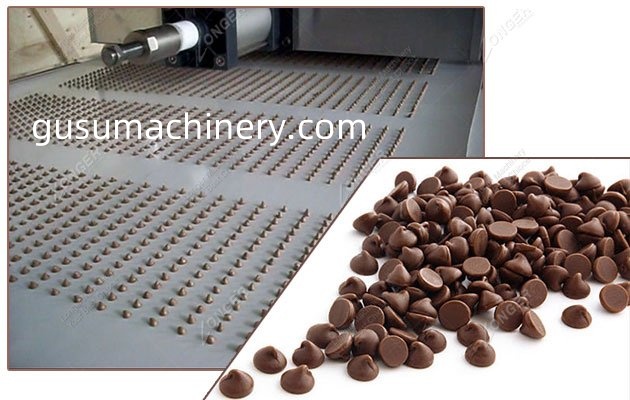
The development of modern food production relies on reliable equipment solutions that combine practical performance, advanced engineering, and thoughtful design, making Food Machine Supplier expertise an important factor for businesses seeking dependable manufacturing support. Professional food machinery is created through careful material selection, technical innovation, production experience, and an understanding of customer needs. Each aspect of equipment development influences operational efficiency, product quality, and long-term value within the food processing industry.
Material selection plays a vital role in the manufacturing of professional food equipment. Manufacturers carefully consider material durability, safety requirements, processing compatibility, maintenance convenience, and overall reliability during product development. Appropriate materials help machinery maintain stable performance while supporting organized and efficient production environments. Careful material choices also provide a strong foundation for creating equipment solutions suitable for different food processing applications.
When selecting food processing equipment, businesses need to evaluate suppliers from a comprehensive perspective. A reliable supplier should offer professional manufacturing experience, engineering knowledge, customization capability, quality management systems, and effective communication throughout cooperation. Buyers often consider whether a manufacturer understands industry requirements and can provide suitable solutions for their specific production conditions. Working with an experienced equipment partner helps companies make more informed decisions and achieve better production outcomes.
Functional performance is a core element in modern food machinery development. Engineers focus on improving equipment structures, operational processes, usability, and maintenance accessibility to create more practical solutions. Food manufacturers require machinery that can support consistent workflows while allowing operators to manage production tasks conveniently. Continuous improvements in engineering design help equipment adapt to evolving industry expectations and provide greater value during daily operations.
Technology innovation continues influencing the advancement of food processing machinery. Modern manufacturing techniques, digital design approaches, production optimization methods, and quality inspection systems contribute to improved equipment reliability and consistency. These technologies also enable manufacturers to develop more flexible solutions according to different customer requirements. Combining technical expertise with manufacturing experience allows companies to create equipment that supports efficient and adaptable food production environments.
User experience has become an important consideration in professional equipment development. Operators and production teams value machinery that is convenient to operate, easy to maintain, and suitable for different working environments. Thoughtful structural planning, clear operation processes, and user-focused improvements help enhance daily production experiences. Manufacturers that understand practical challenges faced by users can create equipment solutions that improve workflow organization and operational convenience.
Design and appearance also influence how customers evaluate modern food machinery. While performance remains a primary consideration, professional users increasingly appreciate equipment that combines functional advantages with a well-organized appearance. Designers carefully consider structural arrangement, accessibility, surface quality, and visual presentation during development. A professional design approach reflects manufacturing capability while helping create a more efficient and comfortable production environment.
Customization has become a valuable service advantage in the food machinery market. Different businesses may require equipment solutions based on production methods, product categories, workflow preferences, and business strategies. Flexible manufacturing capabilities allow suppliers to provide customized development while maintaining consistent quality standards. Customized solutions help companies improve production adaptability and create equipment that better supports their operational objectives.
Quality management remains essential throughout the entire manufacturing process. Professional manufacturers establish organized production procedures, inspection systems, and continuous improvement methods to maintain dependable equipment quality. Effective quality control demonstrates a commitment to manufacturing excellence and strengthens customer confidence. Reliable production management supports consistent equipment performance across various food processing industries.
Sustainability is also becoming an important direction in modern equipment development. Manufacturers continue improving production efficiency, optimizing material use, reducing unnecessary waste, and exploring responsible manufacturing approaches. Durable and reliable machinery can support longer service cycles and more efficient production management. Sustainable practices help create long-term value for both equipment providers and food production businesses.
Gusu Food Processing Machinery Suzhou Co., Ltd. continues improving its food machinery solutions through professional engineering experience, manufacturing expertise, innovative development, and customer-oriented cooperation. By combining practical design concepts with reliable production management and quality-focused manufacturing, the company supports customers seeking dependable equipment for chocolate production, food processing applications, and related industries. More information about the company’s products and solutions is available at https://www.gusumachinery.com/.