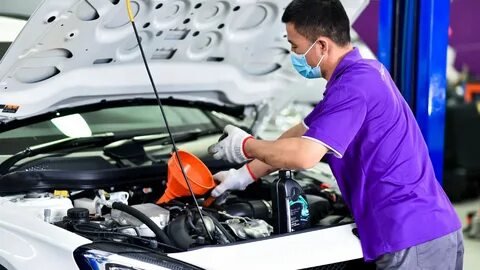
Skipping scheduled automotive service might save a few dollars today, but it always results in much larger repair bills down the road. When small issues like a worn brake pad or an oil leak are ignored, they quickly turn into major safety hazards and mechanical failures. For example, if you ignore a strange grinding noise under your hood while looking for a reliable mechanic shop in Calgary, a simple belt replacement can turn into a destroyed engine. Regular vehicle maintenance provides a practical, solution-oriented approach that protects your bank account. Keeping up with fluid changes, tire care, and routine inspections keeps your car running efficiently, prevents sudden breakdowns, and extends the overall life of your vehicle.
The True Cost of Putting Off Car Repairs
It is very easy to look at the dashboard light and decide to fix it next month. We all have busy schedules, and unexpected expenses are never fun to deal with. However, cars are complex machines made of thousands of moving parts that work together. When one small part fails, it puts extra stress on everything else around it.
Think about your engine oil as the lifeblood of your vehicle. Its main job is to stop metal pieces from rubbing together and melting from extreme heat. Over time, that oil gets dirty and loses its ability to protect the metal. If you keep driving with old oil, the internal components wear out fast. What would have been a cheap oil change can quickly turn into a complete engine replacement that costs thousands of dollars.
The same rule applies to your brakes. A simple squeak usually means the pads are getting thin. Replacing brake pads is a standard, affordable task. But if you wait too long, the metal backing presses directly against the brake rotors. This ruins the rotors and can even damage the calipers, multiplying your final repair bill by four or five times.
Fuel Economy and Everyday Savings
Most people only think about maintenance when something breaks down completely. But keeping your vehicle in top shape actually saves you cash every single week at the gas pump. With the cost of fuel these days, making your vehicle more efficient is an easy way to keep money in your pocket.
Spark Plugs and Engine Efficiency
Spark plugs are tiny parts that create the electrical pop needed to burn fuel. When they get old and coated in carbon, they do not fire perfectly every time. This is called a misfire. Even if you do not feel the car shaking, misfires waste fuel because unburnt gas goes right out the exhaust pipe. Putting in fresh spark plugs ensures that every drop of fuel is used to move your vehicle forward.
Clean Air Filters Matter
Your engine needs a constant mix of clean air and fuel to run correctly. The engine air filter traps dust, dirt, and bugs before they can enter the motor. Eventually, the filter gets clogged up like a dirty vacuum cleaner bag. This chokes the engine, forcing it to work harder and drink much more gas to maintain highway speeds. Swapping out a dirty filter is a quick fix that instantly improves your kilometers-per-liter rating.
Preventing the Nightmare of Sudden Breakdowns
There is nothing quite as stressful as standing on the shoulder of a busy highway with hazard lights flashing while transport trucks roar past you. Breakdowns are dangerous, stressful, and incredibly expensive.
When your vehicle dies unexpectedly, you are not just paying for the repair itself. You also have to pay for a tow truck to haul your vehicle away. If you happen to be traveling through a remote area or a small town during a holiday weekend, you might end up paying high weekend labor rates or staying in an unexpected hotel room while waiting for parts to arrive.
Routine checkups allow a trained eye to spot weak parts before they snap. A technician can look at your radiator hoses and notice they are getting soft or brittle. Replacing that hose during a regular visit costs very little. Waiting for it to burst on the highway means losing all your engine coolant, causing the motor to overheat and potentially cracking the engine block.
Tires, Alignment, and Safe Travel
Your tires are the only part of the vehicle that actually touches the road surface. Keeping them in good condition is critical for both your safety and your wallet.
The Simple Habit of Checking Tire Pressure
When tires do not have enough air, they spread out too wide on the pavement. This creates extra friction, which makes your engine work much harder and burns more fuel. Under-inflated tires also wear out very quickly on the outer edges. By simply checking your tire pressure once a month and filling them to the correct level, you can make a set of tires last for several extra years.
Rotation and Alignment Inspections
Tires do not wear down evenly on their own. The front tires do all the heavy lifting with steering and absorb most of the force when you step on the brakes. Rotating your tires from front to back every few months ensures they wear down at an equal rate.
Additionally, hitting potholes or hitting a curb can knock your wheels out of alignment. If your wheels are pointing in slightly different directions, they drag against the road. Our team at Heritage AutoPro and Tire frequently encounters vehicles where the owner needs to buy brand-new tires prematurely simply because a bad alignment wore down the rubber on one side down to the metal wires. Getting your alignment checked prevents this uneven wear and keeps your car tracking straight and true.
Protecting the Resale Value of Your Investment
Unless you plan to drive your current car until it goes to the scrap yard, you will likely sell it or trade it in one day. A vehicle with a complete history of regular maintenance is worth significantly more money on the used car market.
When a private buyer or a dealership looks at a used car, they are always looking for signs of neglect. If the brake fluid looks dark like coffee, or if the transmission shifts roughly, they will immediately drop their offer price. On the other hand, if you can show a neat folder full of receipts proving you changed the oil, flushed the fluids, and rotated the tires on time, buyers will gladly pay top dollar. It proves the car was cared for and is less likely to give them trouble.
Knowing the Difference Between Fluid Top-Ups and Flushes
Cars rely on several types of specialized fluids to steer, stop, and shift gears. Simply adding more fluid when the level gets low is not always enough to keep things running smoothly.
| Fluid Type | Main Function | What Happens If Neglected |
| Transmission Fluid | Cools and lubricates gears | Rough shifting, gear slipping, total transmission failure |
| Coolant / Antifreeze | Regulates engine temperature | Engine overheating, warped components, blown head gasket |
| Brake Fluid | Transmutes pedal pressure to brakes | Absorbs moisture, rusts lines, causes spongy brake pedal |
Over time, these fluids break down due to heat and pressure. They can also collect tiny pieces of metal and dirt. A professional fluid flush removes all the old, contaminated liquid and replaces it with fresh fluid, cleaning out the internal pathways of the system.
A Smarter Way to Budget for Your Vehicle
Looking at vehicle care as an investment rather than an annoying expense changes how you manage your money. Small, predictable costs scattered throughout the year are much easier to handle than a massive four-figure repair bill that comes out of nowhere when your budget is already tight.
Taking care of your car is a lot like visiting the dentist for regular cleanings. You do it to avoid the pain and high cost of a root canal later on. By paying attention to the small warning signs, keeping your fluids fresh, and treating your tires well, you keep your vehicle safe, dependable, and highly efficient for many years to come.