
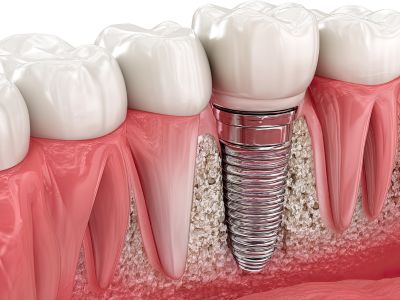
Dental implants have become one of the most reliable and long-lasting solutions for replacing missing teeth. They not only restore the appearance of your smile but also improve chewing ability, speech, and overall oral health. While Dental Implants are designed to be durable, their long-term success depends heavily on proper care and maintenance.
Whether you’ve recently received implants or are considering the procedure, understanding how to care for them can help ensure they remain healthy and functional for many years.
Why Proper Dental Implant Care Matters
Unlike natural teeth, dental implants cannot develop cavities. However, the surrounding gums and bone can still be affected by infections and inflammation. Poor oral hygiene may lead to peri-implant diseases, which can compromise the stability of the implant and even result in implant failure.
Consistent care helps:
- Protect the surrounding gum tissue
- Prevent plaque and bacteria buildup
- Maintain jawbone health
- Extend the lifespan of your dental implants
- Preserve your overall oral health
Maintain an Effective Oral Hygiene Routine
Good oral hygiene is the foundation of successful dental implant care.
Brush Twice Daily
Use a soft-bristled toothbrush to clean around your implants at least twice a day. Gentle brushing removes plaque and food particles without irritating the gums.
Electric toothbrushes can also be effective, as they provide thorough cleaning while being gentle on the implant area.
Floss Every Day
Flossing is essential for removing debris from hard-to-reach spaces between teeth and around implants. Special implant-friendly floss or interdental brushes can help clean areas that standard floss may miss.
Use an Antibacterial Mouthwash
An alcohol-free antibacterial mouthwash can help reduce harmful bacteria and support healthy gums. Rinsing daily can be a valuable addition to your oral care routine.
Attend Regular Dental Checkups
Routine dental visits are crucial for monitoring the condition of your dental implants.
Your dentist can:
- Assess implant stability
- Check for signs of gum inflammation
- Remove hardened plaque deposits
- Detect potential issues early
Most dental professionals recommend checkups every six months, though some patients may require more frequent visits based on their individual needs.
Follow a Healthy Diet
Nutrition plays an important role in maintaining oral health and supporting dental implants.
Consider these dietary habits:
- Eat foods rich in calcium and vitamin D
- Include fruits and vegetables for essential nutrients
- Stay hydrated throughout the day
- Limit sugary snacks and beverages
Immediately after implant placement, follow your dentist’s recommendations regarding soft foods and healing-friendly meals.
Avoid Harmful Habits
Certain habits can negatively affect the longevity of dental implants.
Stop Smoking
Smoking significantly increases the risk of implant complications by slowing healing and reducing blood flow to the gums. Patients who quit smoking generally experience better implant success rates.
Avoid Chewing Hard Objects
Biting ice, pens, fingernails, or other hard objects can place unnecessary stress on both implants and restorations. This may lead to damage over time.
Limit Excessive Alcohol Consumption
Excessive alcohol use may interfere with healing and overall oral health. Moderation is key for maintaining healthy gums and implant stability.
Protect Your Implants from Teeth Grinding
Teeth grinding, also known as bruxism, can put excessive pressure on dental implants and surrounding teeth.
If you grind your teeth, your dentist may recommend:
- A custom night guard
- Stress management techniques
- Regular monitoring of implant wear
Addressing bruxism early can help prevent long-term damage.
Watch for Warning Signs
Even with excellent care, it’s important to recognize symptoms that may indicate a problem.
Contact your dentist if you notice:
- Persistent gum redness or swelling
- Bleeding around the implant
- Pain or discomfort
- Loose implant components
- Difficulty chewing
Early intervention can prevent minor issues from becoming serious complications.
Keep the Surrounding Gums Healthy
Healthy gums are essential for supporting dental implants. Gum inflammation can compromise the tissues that hold the implant securely in place.
To promote gum health:
- Maintain consistent oral hygiene
- Avoid tobacco products
- Schedule professional cleanings
- Follow your dentist’s recommendations for ongoing care
Strong, healthy gums contribute significantly to the long-term success of dental implants.
Final Thoughts
Dental Implants offer a durable and natural-looking solution for missing teeth, but their longevity depends on proper maintenance. By practicing excellent oral hygiene, attending regular dental appointments, eating a balanced diet, and avoiding harmful habits, you can maximize the lifespan of your implants and enjoy a healthy smile for years to come.
At Dent Heal, we believe that informed patients achieve the best treatment outcomes. With the right care and professional guidance, your dental implants can continue to provide comfort, confidence, and lasting oral health for decades.