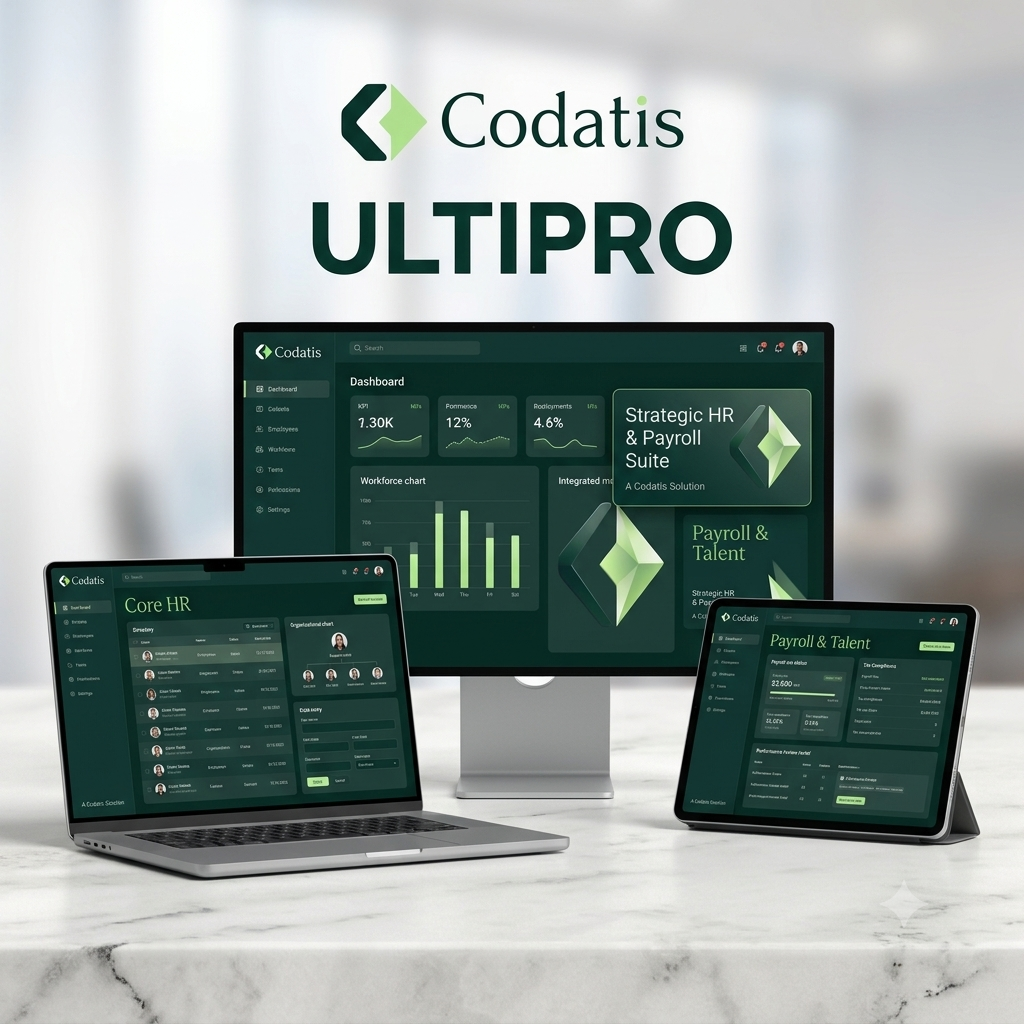
Choosing an HR platform is one of the most important technology decisions a growing business can make. As companies expand, managing employee records, payroll, benefits, recruiting, compliance, and performance across multiple systems becomes increasingly difficult. A modern Human Capital Management (HCM) platform can simplify these processes by bringing them together in one centralized solution.
Many organizations evaluating enterprise HR technology compare UltiPro because it combines multiple workforce management functions into a single platform. However, selecting the right HR solution isn’t about choosing the most popular software—it’s about finding one that aligns with your company’s current needs and future growth plans.
This guide explains the key factors businesses should evaluate before investing in a modern HR platform.
Why Businesses Eventually Outgrow Basic HR Tools
Small businesses often begin with simple payroll software or spreadsheets. While these solutions may work initially, they become less efficient as organizations grow.
Common challenges include:
- Duplicate employee records
- Manual payroll processing
- Separate systems for HR and benefits
- Limited reporting capabilities
- Compliance concerns
- Difficulty managing remote employees
Many HR leaders begin researching whats UltiPro or what is UKG UltiPro after recognizing these operational limitations.
H2: Why UltiPro Is Commonly Evaluated by Growing Companies
As workforce complexity increases, organizations often require a platform that connects multiple HR functions.
Businesses researching UltiPro frequently look for a solution capable of supporting:
- Employee lifecycle management
- Workforce analytics
- Payroll processing
- Benefits administration
- Performance tracking
- Compliance reporting
A centralized system helps reduce manual work while improving visibility across the organization.
Define Your Business Requirements First
Before requesting demonstrations or comparing vendors, organizations should document their HR priorities.
Important questions include:
- How many employees do you manage?
- Do you operate across multiple locations?
- Will the company continue growing?
- Which HR processes are currently manual?
- What reporting capabilities are required?
Companies considering an UltiPro system often achieve better implementation outcomes when requirements are clearly defined before software selection.
Compare Features in an UltiPro HR System
A modern UltiPro HR system should support more than employee record management.
Organizations evaluating UltiPro HR software typically compare features such as:
- Employee onboarding
- Document management
- Performance reviews
- Workforce planning
- Compliance tracking
- Time and attendance
Businesses exploring UltiPro HCM also examine how well different HR functions integrate within one platform rather than relying on separate applications.
Evaluate Payroll Capabilities Carefully
Payroll is one of the most critical business operations.
An effective UltiPro payroll system should help organizations:
- Process payroll accurately
- Manage tax reporting
- Track overtime
- Handle deductions
- Generate payroll reports
Businesses comparing UltiPro software often place payroll automation near the top of their evaluation checklist because payroll errors can directly impact employee satisfaction.
Employee Self-Service Matters More Than Ever
Today’s workforce expects convenient access to HR information.
Employees should be able to:
- View payroll information
- Update personal details
- Download tax forms
- Request leave
- Review company announcements
Organizations evaluating the login UltiPro portal often assess how easily employees can complete these tasks independently.
Similarly, the ultipro.com app provides mobile access that supports employees working remotely or in the field.
Review Benefits Administration
Managing employee benefits manually can consume valuable HR resources.
Many organizations compare UltiPro benefits because integrated benefits administration can simplify:
- Open enrollment
- Eligibility tracking
- Plan management
- Employee elections
- Benefits reporting
Businesses also review UltiPro pricing to determine whether automation offsets administrative costs over time.
Reporting and HR Analytics Should Support Better Decisions
HR software should provide more than record storage.
Modern reporting tools help leadership monitor:
- Hiring trends
- Employee turnover
- Workforce demographics
- Payroll expenses
- Attendance patterns
- Organizational growth
Companies evaluating UltiPro HRIS capabilities often prioritize customizable dashboards that provide actionable workforce insights.
Request an UltiPro Demo Before Making a Decision
Never choose enterprise HR software based solely on marketing materials.
Scheduling an UltiPro demo allows organizations to evaluate:
- User interface
- Payroll workflows
- Employee self-service
- Reporting tools
- Mobile experience
- Administrative features
A second UltiPro demo involving HR managers, payroll specialists, and department leaders often provides a more complete evaluation before purchasing.
Learn From UltiPro Reviews and Experienced Consultants
Customer feedback offers valuable real-world insights.
Reading UltiPro reviews can help organizations understand:
- Implementation experiences
- Customer support quality
- User satisfaction
- Feature usability
- Adoption challenges
Many businesses also partner with UltiPro consultants to configure workflows, migrate employee data, and train HR teams during implementation.
Organizations researching yUltiPro frequently review implementation resources alongside product capabilities.
Think Beyond Initial Costs
Price should never be the only factor when selecting HR software.
While comparing UltiPro pricing, decision-makers should also consider:
- Implementation services
- Employee training
- Technical support
- Future upgrades
- Integration capabilities
- Long-term scalability
Choosing a platform based solely on subscription costs may overlook significant long-term operational value.
Final Thoughts
Selecting an HR platform is a strategic decision that affects every employee in an organization. By carefully evaluating business needs, payroll functionality, employee self-service, reporting, benefits management, and long-term scalability, companies can choose technology that supports sustainable growth.
Whether you’re researching UltiPro, comparing an UltiPro system, exploring UltiPro software, reviewing an UltiPro HR system, evaluating UltiPro HR software, implementing an UltiPro payroll system, learning about UltiPro HCM, managing UltiPro benefits, accessing login UltiPro, using the ultipro.com app, reviewing UltiPro HRIS, comparing UltiPro pricing, requesting an UltiPro demo, reading UltiPro reviews, working with UltiPro consultants, researching yUltiPro, or asking what is UKG UltiPro, taking a structured evaluation approach will help ensure your investment delivers lasting business value.
Frequently Asked Questions
1. What should businesses consider before selecting a new HR platform?
Organizations should evaluate scalability, payroll capabilities, reporting, employee self-service, integrations, security, implementation support, and long-term business goals.
2. Why is employee self-service important?
It reduces administrative workload by allowing employees to manage common HR tasks independently while improving the overall employee experience.
3. How can reporting improve HR decision-making?
Comprehensive reports help organizations identify workforce trends, monitor performance, improve compliance, and support strategic planning.
4. Why should multiple departments participate in software evaluations?
Including HR, payroll, IT, finance, and leadership ensures the selected platform meets organization-wide requirements rather than only one department’s needs.
5. How important is scalability when choosing HR software?
A scalable platform can support business growth, additional employees, new locations, and changing organizational needs without requiring another system replacement.
6. What are the benefits of testing software before purchasing?
Hands-on testing helps organizations evaluate usability, workflows, reporting, and employee adoption before making a long-term technology investment.