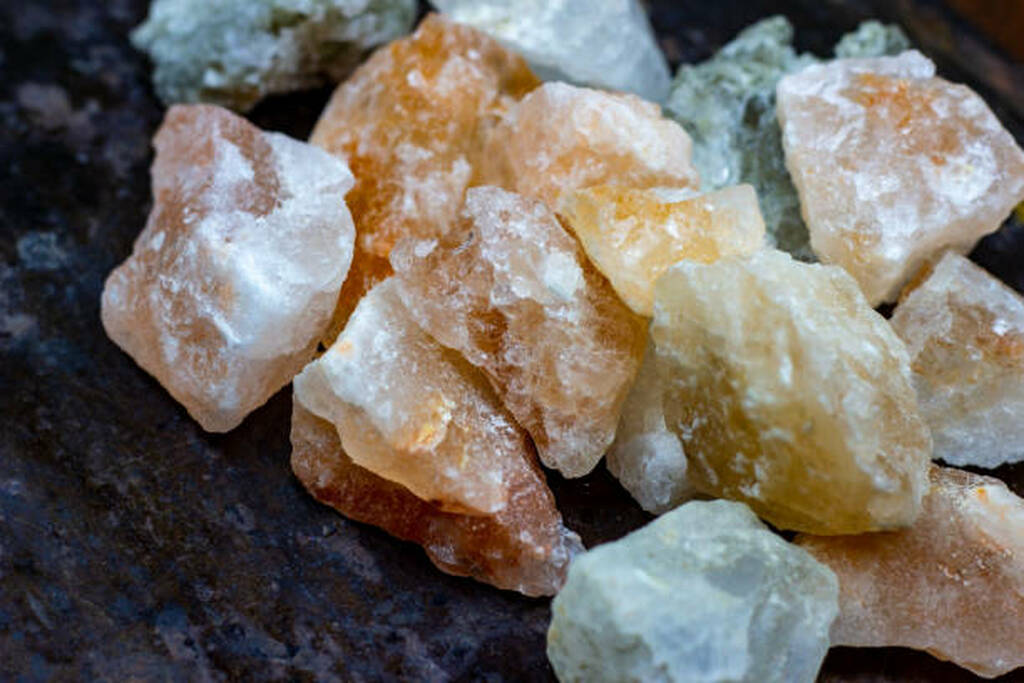
Himalayan pink salt has moved far beyond the kitchen shelf. It now shows up in spa products, decorative lamps, animal feed supplements, and gourmet food packaging across the globe. As demand has grown, so has interest in sourcing this mineral-rich salt directly at its origin. For buyers looking to cut costs and secure consistent quality, understanding himalayan salt wholesale pakistan sourcing is the smartest place to start, since Pakistan is home to the Khewra Salt Mine, one of the largest and oldest salt deposits in the world. This guide walks through what affects pricing, how the supply chain works, and what buyers should know before placing a bulk order.
Understanding the Himalayan Salt Market in Pakistan
Before diving into pricing strategies, it helps to understand why Pakistan dominates this market and what factors shape the cost of buying in bulk.
Why Pakistan Is the Primary Source
The Khewra Salt Mine in Punjab province produces the overwhelming majority of the world’s pink salt supply. The geological conditions there created deposits with the characteristic mineral content that gives the salt its color and flavor profile. Because the raw material originates almost entirely from this single region, most global salt products labeled “Himalayan” trace back to Pakistani mining operations, even when they are processed or repackaged elsewhere. This concentration of supply is exactly why himalayan salt wholesale pakistan sourcing tends to offer better pricing than buying from intermediaries in other countries who simply import and relabel the product.
Grades and Forms Available in Bulk
Wholesale buyers typically encounter several product categories: coarse culinary salt, fine table-grind salt, large cooking blocks or slabs, salt lamp chunks, and bath or spa-grade granules. Each grade carries a different price point depending on the size consistency, purity level, and the amount of processing required. Coarse, less-processed salt is generally the most economical option for buyers planning to do their own grinding or packaging, while polished lamp-grade chunks command higher prices due to the manual selection involved.
Seasonal and Logistical Price Factors
Pricing for bulk salt isn’t static. Mining output, fuel costs for transport, port congestion, and currency exchange rates all influence the final quoted price. Buyers researching himalayan salt wholesale Pakistani options often find that prices fluctuate moderately throughout the year, with logistics costs sometimes affecting the final landed price more than the raw material cost itself.
Key Factors That Affect Wholesale Pricing
Once you understand the market basics, the next step is learning what specifically drives the price up or down on any given quote.
Order Volume and Minimum Quantities
Most sellers structure pricing in tiers based on container load or pallet quantities. Smaller orders, such as a few hundred kilograms, are priced significantly higher per unit than full container loads, which can run into tens of tons. Buyers aiming for the lowest possible per-kilogram rate need to evaluate whether their storage capacity and sales volume can justify a larger commitment. This is one of the clearest levers available when negotiating himalayan salt wholesale pakistan rates, since volume discounts are often substantial.
Processing and Packaging Requirements
Raw, unprocessed salt boulders are the cheapest form to purchase. Once a buyer requests washing, crushing, sieving into specific grain sizes, or custom packaging, the cost rises accordingly. Buyers who can handle some processing steps domestically, such as final grinding or repackaging, often save considerably compared to ordering a fully finished retail-ready product.
Quality Certifications and Testing
Reputable bulk transactions usually involve lab testing for mineral composition, heavy metal screening, and food-safety certification when the salt is intended for consumption. While this adds a small cost to the per-unit price, it protects buyers from receiving substandard or contaminated batches. Skipping this step to save money is a common mistake that can lead to larger losses if a shipment fails quality checks at the destination port.
Shipping Method and Destination Port
Sea freight remains the most economical way to move large salt quantities internationally, though it requires longer lead times. Air freight is faster but rarely makes financial sense for a dense, low-value-per-kilogram product like salt. Buyers should also factor in destination port handling fees, customs duties, and inland transport costs when calculating the true landed price, not just the factory-gate quote.
Practical Steps to Secure the Best Wholesale Deals
With the pricing factors in mind, here is how buyers typically approach the actual sourcing process to keep costs down while avoiding common pitfalls.
Researching and Verifying Suppliers
Due diligence is essential when dealing with international bulk purchases. This includes checking business registration, requesting references from previous buyers, and reviewing trade history on B2B platforms. Many experienced importers also request sample shipments before committing to a full container order, allowing them to verify color consistency, grain size, and purity firsthand. Taking time to properly vet a source for himalayan salt wholesale Pakistani purchases reduces the risk of receiving mixed-quality or adulterated products.
Comparing Multiple Quotes
Just as with any commodity, prices can vary noticeably between different mining cooperatives, processing facilities, and export agents. Requesting quotes from several sources for the same specifications, including grain size, packaging, and certification level, makes it easier to spot outliers and negotiate fair terms. Buyers should request itemized quotes that separate raw material cost, processing fees, packaging, and freight, since bundled pricing can obscure where the real savings opportunities lie.
Timing Purchases Strategically
Because shipping costs and currency exchange rates shift over time, monitoring market conditions before placing a large order can lead to meaningful savings. Some buyers choose to place orders during periods of lower freight demand, when ocean carriers offer more competitive rates. Staying informed about regional export policies in Pakistan, including any changes to mining permits or export duties, also helps buyers anticipate price movements before they affect a pending order.
Building Long-Term Supplier Relationships
First-time bulk buyers often pay a premium simply because there’s no established trust or order history. Once a relationship develops over multiple transactions, sellers are frequently willing to offer improved terms, including better pricing tiers, more flexible minimum order quantities, and priority during high-demand periods. For businesses planning to source himalayan salt wholesale Pakistani products on a recurring basis, investing time in relationship-building during the first few orders tends to pay off through more stable and favorable terms over time.
Final Thoughts on Sourcing Strategy
Securing affordable bulk Himalayan salt comes down to understanding the supply chain at its origin, knowing which cost factors are negotiable, and being diligent about supplier verification. Buyers who take time to compare quotes, understand grading systems, and build reliable supplier relationships tend to achieve significantly better pricing than those who rush into a single transaction. With Pakistan remaining the primary global source, a well-researched approach to himalayan salt wholesale pakistan sourcing remains the foundation for any business or individual looking to purchase this product in bulk at a reasonable cost.