
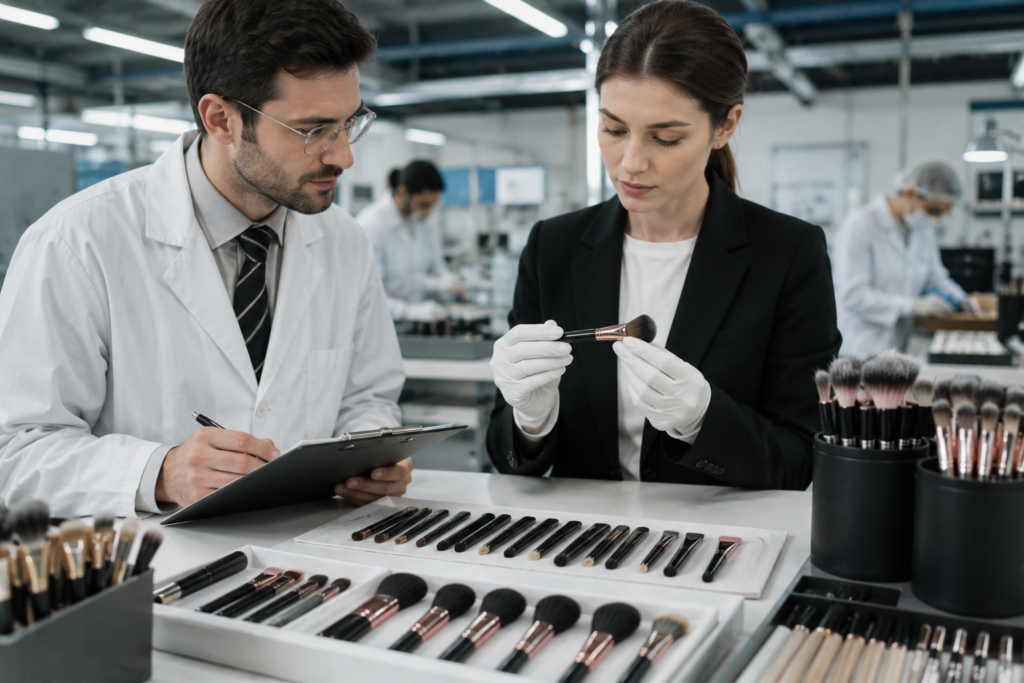
In the professional beauty industry, product quality is not just a selling point—it is a business requirement. Whether a makeup brand serves professional artists, beauty retailers, or everyday consumers, the tools behind every application directly influence customer satisfaction and brand reputation. This is why selecting the right Makeup Tools Supplier is one of the most important decisions a beauty business can make.
A reliable supplier does far more than manufacture brushes and beauty tools. They implement strict quality controls, maintain consistent production standards, and ensure that every product meets the expectations of modern beauty professionals. Understanding these standards can help brands make informed sourcing decisions and avoid costly quality issues down the line.
Material Quality and Safety Standards
The foundation of any professional makeup tool begins with the materials used during manufacturing. High-quality materials affect performance, durability, comfort, and safety.
For makeup brushes, suppliers should carefully source:
- Synthetic or natural fibres with consistent texture and density
- Durable ferrules that resist rust and deformation
- Handles made from quality wood, aluminium, or sustainable materials
- Skin-safe coatings and finishes
Since makeup tools come into direct contact with the skin, safety is equally important. A professional Makeup Tools Supplier should ensure that materials are free from harmful substances and comply with applicable regulations in target markets.
Beauty brands selling internationally often look for suppliers that understand regional compliance requirements and can provide supporting documentation when needed.
Consistent Manufacturing Processes
One of the biggest challenges in beauty tool production is maintaining consistency across large orders. A brush that performs perfectly in one batch should deliver the same results in the next.
Professional suppliers typically establish standardised manufacturing procedures for:
- Brush shaping and trimming
- Fibre alignment
- Ferrule attachment
- Handle finishing
- Product assembly
Consistency is especially important for professional makeup artists who rely on predictable performance during client work. Even minor variations in brush density or shape can affect application results.
A dependable Makeup Tools Supplier invests in trained production teams and documented quality procedures to minimise variations between batches.
Quality Control and Product Testing
Quality control should occur throughout the manufacturing process rather than only at the final inspection stage.
Experienced suppliers often perform multiple inspections, including:
Incoming Material Inspection
Raw materials are checked before production begins. This helps identify defects before they enter the manufacturing process.
In-Process Quality Checks
During production, teams inspect products for:
- Fibre shedding
- Ferrule stability
- Handle alignment
- Surface finish quality
- Dimensional accuracy
Final Product Inspection
Before shipment, finished products undergo detailed evaluations to ensure they meet established specifications.
Professional brush manufacturers may also conduct performance testing such as:
- Pull tests to verify ferrule strength
- Shedding tests to evaluate fibre retention
- Durability assessments for repeated use
- Cleaning resistance tests
These procedures help reduce defects and improve long-term customer satisfaction.
Hygiene and Clean Manufacturing Standards
Hygiene has become a major priority in the beauty industry. Consumers and professionals alike expect tools that are manufactured in clean, controlled environments.
A reputable Makeup Tools Supplier should maintain:
- Organised production facilities
- Clean storage areas
- Proper handling procedures
- Worker hygiene protocols
- Product protection during packaging
Clean manufacturing practices help minimise contamination risks and ensure products arrive in excellent condition.
For brands serving professional salons, makeup academies, and artists, hygiene standards can be an important factor when evaluating potential suppliers.
Product Performance and Professional Usability
A makeup tool can meet technical specifications and still fail if it does not perform well in real-world use. This is why leading suppliers focus on both manufacturing quality and practical functionality.
Professional makeup brushes should offer:
- Smooth and even product application
- Effective product pickup and release
- Comfortable grip and control
- Minimal fibre shedding
- Long-term durability
Many experienced suppliers work closely with makeup artists during product development. Their feedback helps refine brush shapes, fibre combinations, and handle designs before products enter large-scale production.
This practical approach ensures that beauty tools meet the demands of working professionals rather than simply satisfying production requirements.
Supply Chain Transparency and Reliability
Quality standards extend beyond the product itself. Brands also need confidence in the supplier’s ability to deliver consistent service and communication.
A professional Makeup Tools Supplier should provide:
- Clear product specifications
- Transparent production timelines
- Consistent quality reporting
- Reliable order fulfilment
- Responsive customer support
Transparency becomes especially important when developing custom or private-label collections. Brands need accurate information regarding materials, production schedules, and quality expectations throughout the process.
Reliable suppliers understand that strong partnerships are built on communication, accountability, and trust.
Sustainability and Responsible Manufacturing
Sustainability is becoming increasingly important across the beauty industry. Many consumers now evaluate brands based on their environmental and ethical commitments.
Forward-thinking suppliers are responding by offering:
- Vegan brush fibres
- Recyclable packaging options
- Responsibly sourced materials
- Waste reduction initiatives
- Improved manufacturing efficiency
While sustainability should not replace performance requirements, it has become an important quality consideration for many modern beauty brands.
Choosing suppliers that balance product excellence with responsible manufacturing can help brands align with evolving customer expectations.
Conclusion
Quality standards play a critical role in determining the success of professional makeup tools. From material selection and manufacturing consistency to hygiene practices, performance testing, and supply chain transparency, every stage of production contributes to the final product experience.
When evaluating a Makeup Tools Supplier, beauty brands should look beyond pricing alone and focus on long-term quality, reliability, and professional expertise. Strong quality standards help ensure that makeup tools perform consistently, support brand reputation, and meet the expectations of artists and consumers alike. Companies such as Designer Makeup Tools recognise that maintaining these standards is essential for delivering professional makeup brushes that beauty professionals can trust every day.