Whether you’re upgrading your boat’s sound system or replacing speakers in your car, it’s important to understand that marine speakers and standard speakers are built for very different environments. While they may appear similar at first glance, the materials, construction, and durability of marine speakers make them uniquely suited for life on the water.
Many people wonder if standard car speakers can be installed on a boat to save money. Although they may work temporarily, they typically fail much sooner because they aren’t designed to withstand moisture, salt, UV rays, and constant exposure to changing weather conditions.
Before making an investment, choosing the right marine speakers can help you enjoy better sound quality, longer product life, and reliable performance every time you’re out on the water.
Marine Speakers Are Built for Harsh Environments
The biggest difference between marine and standard speakers is durability. Boats are constantly exposed to conditions that ordinary speakers simply aren’t designed to handle.
Marine speakers are manufactured using weather-resistant materials that protect internal components from:
- Rain
- Saltwater
- Humidity
- UV sunlight
- Extreme temperatures
- Splashing water
Standard car speakers, on the other hand, are designed for relatively controlled interior environments where they remain protected from direct exposure to the elements.
Water Resistance Makes a Huge Difference
Water is one of the biggest threats to any electronic device. Marine speakers are specifically engineered to resist moisture and prevent internal corrosion.
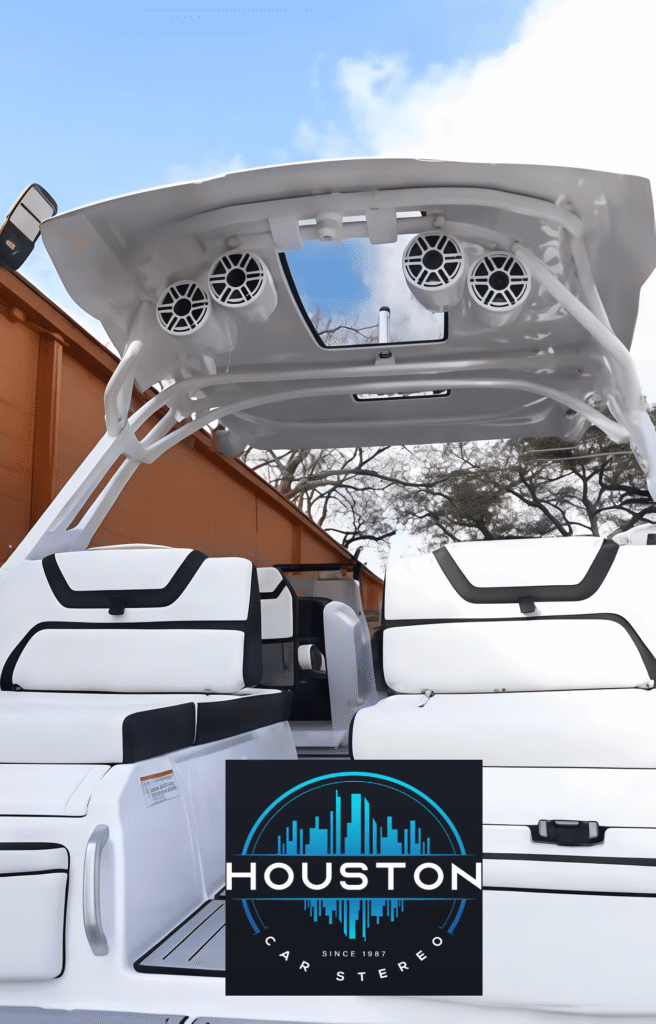
Manufacturers often use sealed motor structures, waterproof surrounds, corrosion-resistant terminals, and specially treated cones that continue performing even after repeated exposure to water.
Standard speakers generally use paper-based materials that quickly deteriorate when exposed to moisture.
UV Protection Extends Speaker Life
Sunlight can be surprisingly damaging to audio equipment.
Marine speakers include UV-resistant materials that prevent:
- Cracking
- Fading
- Brittleness
- Discoloration
Since boats spend long hours outdoors, UV protection is essential for maintaining both appearance and performance.
Standard speakers rarely include this level of protection because they are typically installed inside vehicle cabins.
Corrosion Resistance Is Essential
Saltwater creates one of the harshest environments for electronics.
Marine speakers use corrosion-resistant materials such as:
- Stainless steel hardware
- Marine-grade plastics
- Protective coatings
- Sealed electrical connections
These components help prevent rust and oxidation that could otherwise damage speaker performance over time.
Standard speakers usually contain untreated metal parts that may corrode rapidly in marine conditions.
Sound Performance in Open Environments
Boats create unique acoustic challenges.
Unlike cars, boats don’t have enclosed cabins that naturally enhance sound. Wind, engine noise, waves, and open spaces require speakers capable of producing higher output while maintaining clarity.
Marine speakers are designed with these challenges in mind by offering:
- Higher power handling
- Improved efficiency
- Clear midrange
- Strong bass response
- Better outdoor sound projection
This allows passengers to enjoy music even while cruising at higher speeds.
Materials Used in Marine Speakers
The components inside marine speakers differ significantly from those used in traditional automotive speakers.
Marine models commonly feature polypropylene cones, rubber surrounds, synthetic tweeters, and sealed voice coils that resist moisture and temperature changes.
These premium materials not only improve durability but also help maintain consistent audio quality throughout years of outdoor use.
Standard speakers often prioritize indoor acoustic performance rather than environmental protection.
Installation Considerations
Although marine and standard speakers may share similar sizes, installation requirements can differ.
Professional installers consider factors such as:
- Waterproof mounting
- Wiring protection
- Drainage
- Speaker placement
- Amplifier compatibility
Proper installation ensures the speakers perform efficiently while preventing water intrusion into surrounding panels.
Installing marine speakers correctly also helps maximize their lifespan.
Long-Term Value
Marine speakers generally cost more than standard speakers, but their longer lifespan often makes them the better investment.
Replacing inexpensive car speakers every season because of weather damage usually becomes more expensive than purchasing quality marine speakers once.
Their durability, reliability, and consistent performance provide better value over time for boat owners.
Can Marine Speakers Be Used in Cars?
Yes, marine speakers can often be installed in cars or trucks without any issues.
Many drivers actually choose marine speakers because they provide excellent durability, especially in vehicles frequently exposed to rain, mud, dust, or off-road conditions.
However, the opposite isn’t recommended. Standard automotive speakers should generally not be installed on boats because they aren’t designed to survive marine environments.
When choosing the right marine speakers, considering where and how they’ll be used helps ensure you receive the best combination of sound quality, durability, and long-term performance for your investment.
Which Option Is Right for You?
The answer depends entirely on where the speakers will be used.
If your audio system will be installed on:
- Boats
- Yachts
- Personal watercraft
- Pontoon boats
- Fishing boats
Marine speakers are the clear choice because they’re built specifically for these demanding environments.
If you’re upgrading the audio system inside a standard passenger vehicle that remains protected from weather exposure, traditional automotive speakers may be perfectly suitable.
Choosing the correct speaker from the beginning prevents premature failure while delivering the listening experience you expect. Quality marine speakers not only withstand challenging outdoor conditions but also provide dependable performance every time you head out on the water. Whether you’re enjoying a relaxing cruise or hosting friends for a day on the lake, investing in speakers designed specifically for marine environments ensures your music sounds as good as your adventure feels.