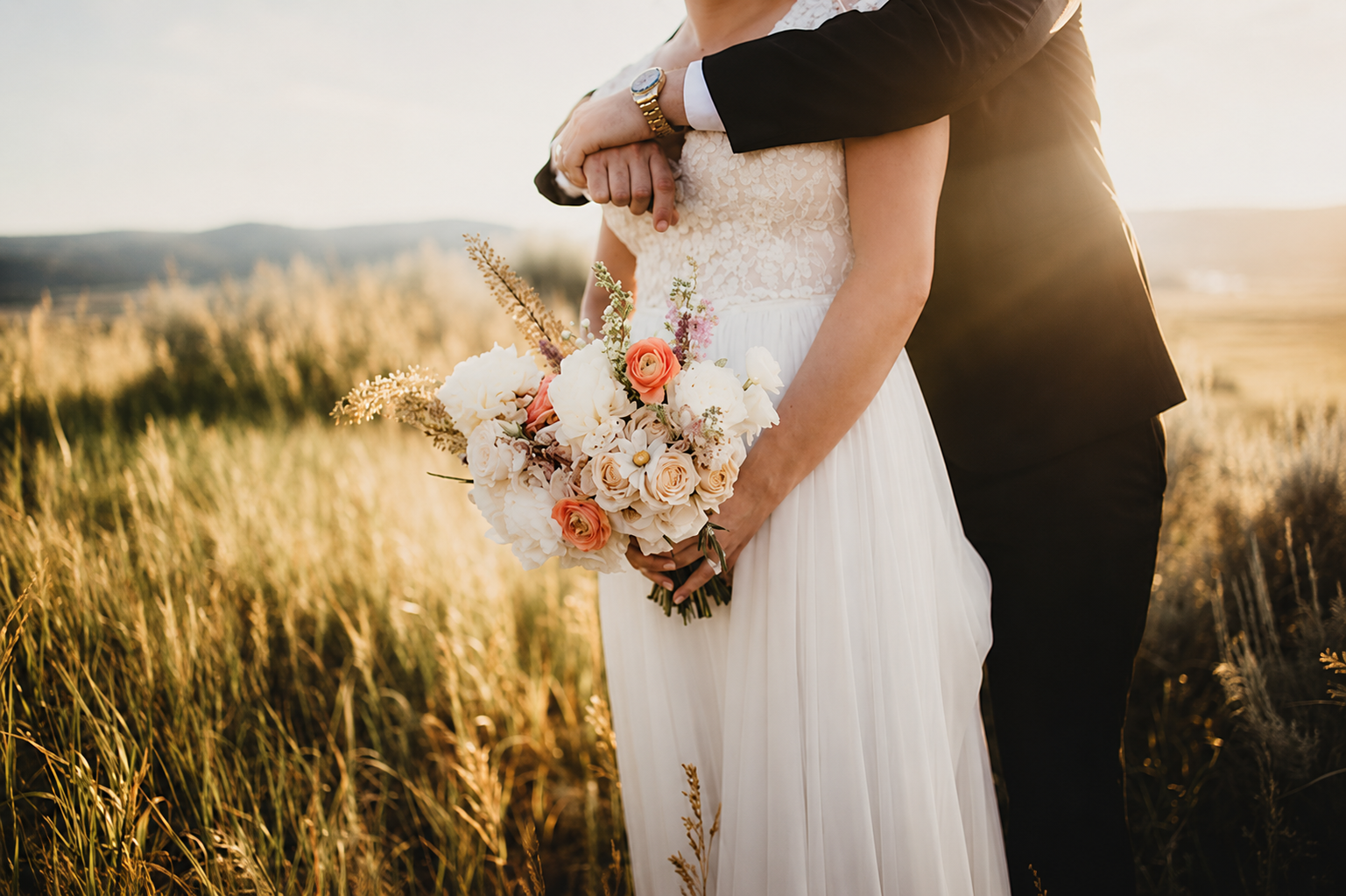
Before the Champagne, There’s a Process
Everyone has seen the television version of bridal shopping. Tears, champagne, a dramatic reveal, and a unanimous “yes” from a circle of beaming faces. It’s a lovely image. It also sets up a lot of brides for confusion when reality turns out to be more layered than a thirty-minute episode suggests.
The truth is that bridal appointments — particularly at the better bridal shops in Denver — are structured experiences with their own etiquette, timelines, and practical requirements. Knowing what to expect before walking through the door doesn’t diminish the emotion of it. It protects it. Because the brides who arrive prepared are almost always the ones who leave with clarity, whether or not they said yes to a dress that day.
Why Denver Is Worth Understanding as a Bridal Market
Denver’s bridal scene has matured considerably over the past several years. What was once a relatively limited market has grown into something genuinely varied — a mix of established boutiques with deep designer relationships, newer independent shops with curated and often unconventional inventory, and a small number of larger retailers offering broader access at different price points.
The city’s wedding landscape shapes what’s on the racks in important ways. Colorado brides are navigating a wide range of venue aesthetics — from urban rooftop ceremonies in RiNo to mountain meadow weddings near Evergreen, from wine country celebrations along the Front Range to formal affairs in historic downtown venues. Denver bridal shops, at their best, stock accordingly. And knowing that going in helps calibrate expectations about what to ask for and where.
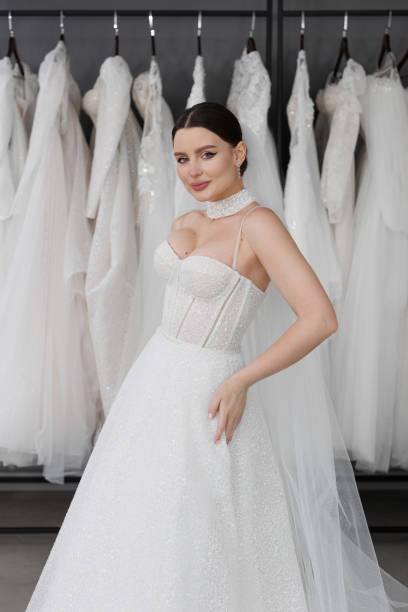
When to Book — and Why the Timeline Matters More Than People Expect
This is the piece of advice most frequently underestimated: start earlier than feels necessary.
Bridal gown ordering typically requires four to six months for delivery from the designer, and that window comes before alterations — which often require an additional two to three months and multiple fittings. Working backwards from a wedding date, most bridal consultants recommend beginning the shopping process at least nine to twelve months out. Twelve is safer. Fourteen or sixteen months is genuinely comfortable.
Brides who arrive at appointments nine weeks before a wedding aren’t without options — off-the-rack gowns, sample sales, and rush-order designers exist for exactly that reason — but they’re operating with significant constraints. The full range of choices narrows quickly under time pressure. Starting early is simply the single most impactful thing a bride can do before the first appointment.
Weekend appointments, particularly Saturday mornings, book fast at most Denver boutiques. If there’s flexibility in schedule, a weekday appointment often means a quieter shop, more consultant attention, and a less rushed experience overall.
What to Bring (And What to Leave Behind)
The Practical Essentials
Undergarments matter more than most people anticipate. A strapless or seamless bra, and if possible, shoes at roughly the heel height intended for the wedding, give a much more accurate picture of how a gown will actually sit and move. Appointments without these details can produce misleading impressions — a beautiful gown that looked off because the undergarment line was wrong, a silhouette that read short because flats were worn under a gown intended for heels.
Hair loosely up is a reasonable default. It allows trying necklines and back details — the two areas where bridal gowns often make their most dramatic statements — without a bun or ponytail creating a false impression.
Inspiration, But Lightly
A curated selection of images — five to ten, not forty-five — helps the consultant understand what’s resonating aesthetically. Necklines, silhouettes, fabric moods, level of embellishment. Screenshots on a phone are fine. But arriving with a rigid, non-negotiable vision tends to work against the process. Some of the most memorable bridal moments happen when a bride tries something entirely outside her initial brief and discovers it’s exactly right.
The Guest List Question
This one deserves honest thought. Who to bring to a bridal appointment is a real decision, not a formality. Two or three trusted people — those who know the bride well and whose instincts align with hers — almost always produce better appointments than a large group with competing aesthetics and vocal opinions.
One important note: this is the bride’s appointment. The people in the room are there to support a decision, not to make it by committee. Shops with strong consultants will gently manage group dynamics, but the bride’s comfort and confidence in the room should be the non-negotiable priority.
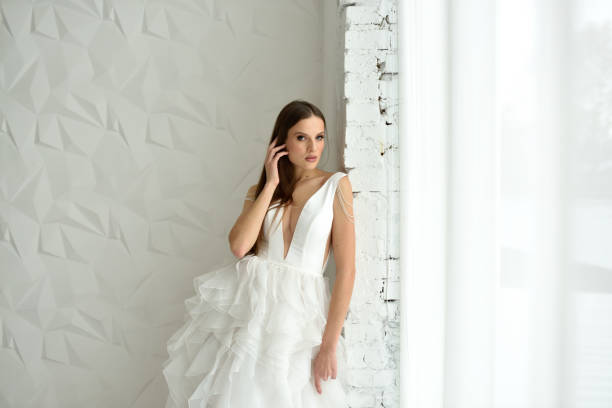
How to Work With a Bridal Consultant
A good consultant is genuinely skilled at translating vague aesthetic language into specific gowns. “Romantic but not too princess-y” and “modern but still classic” are not precise instructions — but an experienced consultant has heard versions of these phrases hundreds of times and knows how to work with them.
Trust the pull. When a consultant brings a gown that wasn’t on the bride’s radar — a silhouette not initially considered, a fabrication that seemed wrong on the hanger — trying it is almost always worth it. The hanger is notoriously unreliable as a preview of how a gown actually wears. Suspending judgment until the dress is on is a skill, and it’s one worth developing.
Be honest about budget from the start. Most consultants ask directly, and there’s a good reason: showing gowns significantly above a realistic budget creates problems in both directions — either a bride falls in love with something financially out of reach, or the comparison makes everything within budget feel like a compromise. A clearly stated range, even with some flexibility acknowledged, helps the consultant do their job well.
What to Expect at a Bridal Boutique in Denver
The atmosphere and approach vary more across Denver boutiques than the marketing language typically suggests. Some shops emphasise a highly personal, almost intimate experience — one bride at a time, champagne offered, a slower and more deliberate pace. Others operate with more appointments running simultaneously but compensate with broader inventory access.
A bridal boutique in Denver that’s worth a second look will be transparent about its ordering process, alteration capabilities, and designer partnerships upfront. It won’t rush through the consultation portion of the appointment to get quickly to trying dresses. And it will treat a bride who says “I’m not ready to decide today” with the same warmth as one who’s pulling out a credit card.
Pressure — implicit or explicit — to make a same-day decision is a signal worth noticing. The best shops in the city know that a bride who leaves feeling genuinely supported will come back. The ones applying urgency often have reasons for doing so that don’t serve the customer.
After the Appointment: What Comes Next
Not every appointment ends with a decision. That’s completely normal. Sometimes it takes two or three visits — to the same shop, or across multiple boutiques — before the right gown becomes clear. That’s not indecision. That’s a process of elimination that genuinely serves the final choice.
If a gown does feel right but the timing isn’t quite there, asking the shop to note the style, designer, and sample size before leaving is perfectly reasonable. Most boutiques are happy to do this. It creates a record without a commitment.
For brides going the multi-shop route, keeping a simple log — shop name, gown notes, price, impressions — after each appointment prevents the memory blurring that happens when multiple experiences compress over a few weeks.
Denver’s bridal market, navigated well, is genuinely enjoyable. The city has enough variety to accommodate very different aesthetics and budgets, and the better shops bring a warmth that’s distinctly local. The process rewards preparation. And the preparation, it turns out, is a meaningful part of the experience itself.