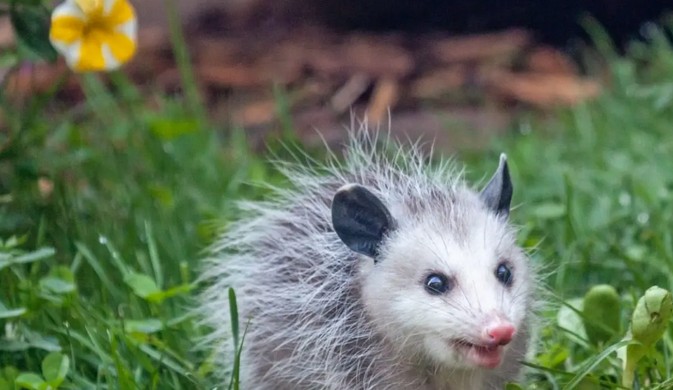
Living close to natural surroundings often means sharing space with local wildlife. While possums are an important part of the ecosystem, they can sometimes enter residential properties and create unexpected concerns. Possum Removal Melbourne helps homeowners address these situations with responsible solutions designed to protect both properties and native animals. Effective possum control Melbourne involves understanding possum habits, identifying possible entry points, and using preventative steps to reduce future disturbances.
Possums are naturally active at night and usually prefer outdoor environments such as trees and sheltered areas. However, homes can become attractive when they provide warmth, safety, and easy access. Roof spaces, garages, sheds, and other enclosed locations may become temporary shelters when animals search for protection.
Although possums are generally quiet creatures, their presence inside buildings can cause problems. Night-time movement, scratching sounds, damaged insulation, and unwanted mess are common signs that a possum may have settled nearby.
Why Possums Enter Residential Properties
Possums often enter homes because they find suitable conditions for survival. Urban environments can provide many opportunities, especially when properties have small gaps or nearby vegetation that allows easy movement.
Some common reasons possums enter homes include:
- Openings around roofs and walls
- Tree branches reaching buildings
- Food sources around outdoor areas
- Damaged structures
- Safe spaces for nesting
Understanding these reasons helps homeowners focus on prevention rather than only responding after an issue occurs. Fixing access points and improving property conditions can make a significant difference.
Identifying Signs of Possum Activity
Since possums are mostly active during the night, many people notice signs before seeing the animal. Unusual sounds from ceilings or roof areas are often one of the first indications.
Common signs include:
- Scratching noises after dark
- Movement sounds in hidden spaces
- Droppings near shelter areas
- Damage to household materials
- Disturbed gardens or outdoor spaces
Early identification allows property owners to take action quickly. Delaying attention may allow the animal to continue using the same location and potentially cause further damage.
The Importance of Responsible Wildlife Solutions
Managing wildlife concerns requires a careful approach. Simply removing an animal without addressing the reason it entered the property may lead to repeated problems.
A complete management process involves inspecting the area, locating entry points, and making improvements that reduce the possibility of future visits. Responsible methods help maintain a balance between comfortable living spaces and natural wildlife habitats.
Professional support can be helpful because specialists understand animal behaviour and can recommend suitable steps based on each property. This ensures the issue is managed properly while considering the safety of the animal and the homeowner.
Preventing Future Possum Visits
Prevention is one of the most effective ways to maintain a secure property. Small maintenance improvements can reduce access opportunities and make homes less appealing to wildlife.
Homeowners can help protect their properties by:
- Checking roofs regularly
- Repairing small gaps
- Keeping trees trimmed away from buildings
- Securing outdoor rubbish
- Maintaining clean surroundings
These simple actions contribute to a safer home environment and can reduce the chance of repeated wildlife activity.
Choosing Support for Ongoing Wildlife Concerns
When possum activity continues, professional assistance can provide a more reliable solution. Many residents search for suitable options such as possum removal Cranbourne when they need help managing wildlife concerns in their area.
Experienced specialists can inspect properties, identify potential entry points, and recommend practical improvements. Their knowledge allows them to understand different situations and provide guidance that supports long-term results.
A complete solution considers both the current issue and future prevention. This approach helps homeowners maintain comfort while reducing the likelihood of repeated disturbances.
Creating a Balanced Environment
Possums are native animals that contribute to the natural environment. Responsible management aims to reduce conflicts without causing unnecessary harm to wildlife.
Homeowners can encourage a healthier balance by securing their properties and making outdoor areas less attractive for nesting. A careful approach allows people and wildlife to share the environment more successfully.
Awareness is an important part of wildlife management. Understanding why animals enter homes helps property owners make better decisions and avoid creating conditions that encourage repeated activity.
Local Wildlife Considerations
Different areas may experience different levels of possum activity depending on vegetation, property design, and nearby natural spaces. Homes located close to trees and parks may naturally have more wildlife movement.
Regular inspections and preventative maintenance can help identify potential concerns before they become serious. Local conditions should always be considered when planning a suitable approach.
Long-Term Benefits of Proper Management
A protected property provides greater comfort, safety, and peace of mind. Addressing possum concerns early can help reduce damage and prevent ongoing disruptions.
Combining maintenance, awareness, and responsible practices creates a stronger long-term solution. Homeowners who stay informed about wildlife behaviour are better prepared to protect their living spaces.
Managing Specific Wildlife Challenges
Every property has unique needs, and wildlife concerns should be handled according to the situation. Residents experiencing repeated activity may consider targeted assistance such as possum pest control Dandenong to address specific local concerns.
A focused approach helps identify the cause of the problem and apply suitable prevention methods. This supports lasting results while maintaining respect for native wildlife.
Conclusion
Possum activity can affect homes through noise, property damage, and unexpected disturbances. The best way to manage these concerns is through awareness, prevention, and responsible solutions. By understanding possum behaviour and improving property protection, homeowners can create safer spaces while maintaining a positive relationship with the natural environment.