
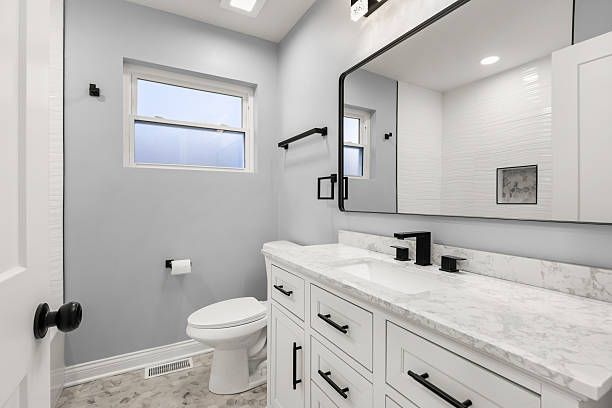
The architectural evolution of an active residential property requires a careful balance of aesthetic refinement, structural safety, and high-performance moisture management. Among all interior environments, personal hygiene spaces experience the highest levels of daily humidity, concentrated water exposure, and structural foot traffic. Over extended operational periods, these wet areas demand more than basic surface-level modifications; they require precise waterproofing systems, advanced ventilation, and optimized plumbing infrastructures. BCR Contracting LLC supports regional real estate owners by providing comprehensive space-planning diagnostics, high-durability material matching, and full structural updates. Planning a strategic bathroom renovation in Park Rapids, MN, allows individuals to convert dated, inefficient spaces into energy-conserving environments specifically designed to withstand intense regional weather patterns while protecting the underlying building envelope from water degradation.
Key Takeaways
- Advanced underlying waterproofing arrays shield subfloor framing elements from hidden rot.
- Balanced mechanical exhaust systems prevent persistent condensation and mold accumulation.
- Severe northern seasonal thaws can cause framing expansion and compromise tile grout seams.
- Slow plumbing drains and spongy subfloor surfaces indicate urgent structural updates.
- Engaging a credentialed general contracting firm preserves material warranties and building compliance.
Understanding the Importance of Professional Service
传统 residential wet areas demand significant technical understanding of water management systems, structural dead loads, and precise plumbing slope calculations. Many property owners view the process as a basic cosmetic task centered around swapping fixtures or installing fresh tile designs. However, modifying plumbing pathways or structural layouts without a verified moisture barrier layout introduces immediate vulnerabilities, allowing hidden water leaks to quietly rot structural framing members out of sight.
Implementing Continuous Advanced Waterproofing Underlayment Systems
Unlike dry living zones, tiled shower enclosures and bathtub perimeters rely entirely on what sits directly beneath the visible surface finishes. Water naturally migrates through cement-based grout channels over time via capillary action. Professional general contractors eliminate this risk by installing specialized liquid-applied membranes or continuous bonded polyethylene waterproofing sheets behind the backer board arrays. This continuous seal locks moisture away from the interior wall cavities, preventing structural wood decay and preserving home air quality.
Balancing Structural Dead Loads for Heavy Tile Installations
Modern premium bathroom designs frequently feature large-format porcelain slabs, heavy natural stone vanities, and thick cast-iron soaking tubs. These high-density materials place significant dead-load demands on a home’s existing floor joist framework. Certified building contractors run precise structural calculation models to determine if existing subfloors require extra cross-bracing or sistered joist reinforcement, preventing long-term sagging and catastrophic tile cracking.
Common Challenges Property Owners Face
Property managers, residential landlords, and residential estate coordinators deal with distinct structural challenges when updating water-intensive zones inside older buildings.
Discovering Historical Sub-Surface Leaks and Hidden Termite Rot
Because traditional plumbing lines are buried behind thick plaster or sheetrock walls, slow supply-line pinholes or compromised toilet wax rings frequently go unnoticed for years. When the old floor coverings are finally removed during an update, technicians regularly find completely rotted subfloor plywood, rusted structural fasteners, and degraded framing plates. Experienced construction teams isolate these structural compromises immediately, removing the rotted timber and squaring the framing before installing any new finish materials.
Navigating Strict Building Code Parameters and Trade Sequences
Coordinating an interior bathroom update requires tight scheduling loops across multiple distinct specialty trades. Plumbers, framing crews, electricians, tile setters, and finish carpenters must follow a precise sequence to avoid damaging each other’s custom work. Furthermore, ensuring that electrical outlets maintain proper distance parameters from open water sources requires exact code compliance, which professional general contractors manage seamlessly from start to finish.
Early Warning Signs That Should Not Be Ignored
Ignoring minor performance shifts in your wet area infrastructure increases the risk of a major structural failure, often forcing property owners to tear out brand-new finish work to address deep-seated problems.
Spongy Flooring Deflection and Discolored Baseboard Trim
If the floor surrounding a bathtub or shower enclosure exhibits a slight flexing motion or feels soft when walked upon, the underlying wood sheathing has lost its structural integrity due to active water saturation. This soft movement causes adjacent tile grout to crumble and pull away from the walls. Homeowners facing these structural soft spots should partner with licensed residential wet area installers in Park Rapids, MN, to reconstruct the damaged floor layers and secure subfloor frameworks before structural failure occurs.
Chronic Mildew Growth and Blistering Wall Paint
When interior wall finishes flake away from the drywall or mildew forms along the ceiling despite continuous cleaning, the room’s ventilation capacity has failed. This persistent dampness indicates that moisture is soaking straight into the building materials, signaling the urgent need for a professional interior upgrade.
How Local Conditions Affect Service Requirements
The regional climate patterns vary dramatically across the seasons, putting continuous physical stress on interior wood framing, flooring joints, and underlying plumbing pathways.
Extreme Winter Thermal Swings and Framing Shifts
Northern winter weather brings severe freezing cycles that require continuous indoor heating, lowering indoor humidity levels drastically for months, followed by humid summer thaws. This dramatic change forces natural wood wall studs and floor joists to expand and contract continually. To ensure tile installations can handle these intense structural movements without popping, property owners rely on a professional bathroom renovation in Park Rapids, MN to integrate specialized uncoupling underlayment sheets and highly flexible polymer-modified grouts.
Insulating Plumbing Loops on Exterior Wall Boundaries
When redesigning a bathroom floor plan to reposition a custom shower or modern vanity against an exterior wall cavity, proper insulation becomes a matter of structural survival. Without high-density spray foam or continuous thermal breaks, sub-zero winter winds can penetrate the siding and freeze the water pipes inside the wall, leading to catastrophic bursts. To prevent this, custom bath design professionals in Park Rapids, MN, add specific offset plumbing channels and thick insulation layers to protect water pipes from exterior freezing elements.
Best Practices for Long-Term Performance
Maximizing the operational lifespan and daily comfort of a remodeled wet space requires combining high-durability finish products with proactive structural protections.
Specifying High-CFM Mechanical Ventilation Arrays
A premium bathroom remodel is only as good as its ventilation system. Installing a highly quiet, continuous-duty exhaust fan rated with proper cubic feet per minute (CFM) capacity clears humid air out of the building before it can condense into liquid water. Wiring these fans to automatic humidity-sensing switches ensures the system runs until the air is fully dry, even if occupants leave the room early.
Applying Non-Porous Quartz and Solid Surface Countertops
Selecting the correct vanity countertop material affects both daily maintenance and long-term durability. Engineered quartz and premium solid-surface composites offer non-porous surfaces that completely resist water penetration, chemical etching, and bacterial growth without requiring regular chemical sealing. Pairing these durable surfaces with undermount sinks eliminates open crevices where standing water could pool and degrade underlying cabinet adhesives.
Questions to Ask Before Hiring a Provider
Selecting the right general contracting team to manage a complete layout modification or a luxury bathroom upgrade is essential to protect your property investment. Asset owners should screen builders thoroughly to verify high technical and safety standards.
- Do your field crews hold active state building credentials and comprehensive worker liability coverage?
- Can your project management team provide a detailed, itemized production schedule for each step?
- How does your organization handle unexpected structural or plumbing problems found behind old plaster walls?
- What specific underlying waterproofing materials do you utilize beneath custom tile showers?
- Can your designers provide comprehensive design renderings and local references from past residential projects?
Conclusion
Transforming an existing personal hygiene zone into an energy-efficient, high-performance bath environment requires a combination of advanced structural engineering, meticulous trade coordination, and careful material adaptation. By optimizing interior workflow ergonomics, adding continuous sub-surface moisture barriers, and updating aging plumbing networks early, property owners protect their investments from premature wear. Entrusting spatial layouts, structural tile framing, and heavy dead-load calculations to credentialed general contractors prevents hidden mechanical failures and maximizes the appraisal value of the home. Partnering with a dedicated builder ensures every square foot of your update functions perfectly as an integrated interior system, delivering excellent energy conservation, beautiful craftsmanship, and building durability through every season.
Contact Trusted Professionals
When your current bath area lacks proper storage space or aging plumbing infrastructure requires a comprehensive modern upgrade, working with an experienced local builder ensures beautiful, secure results. BCR Contracting LLC delivers exceptional expertise in custom space planning, premium structural modifications, and high-durability interior finishes. Their fully equipped building crews ensure your requested Bathroom Renovation in Park Rapids, MN is completed efficiently, safely, and to the highest building standards. Safeguard your long-term real estate assets and elevate your daily living comfort by contacting their field specialists today. Reach out to schedule an on-site hardware consultation or a comprehensive interior layout evaluation to get your project started reliably.
Frequently Asked Questions
Is a building permit always required for a home bathroom renovation project?
Yes. Any project that involves altering structural load-bearing framing, relocating primary waste lines, or adding fresh electrical branch circuits requires a municipal building permit and independent inspections to verify code compliance.
What is the main difference between an uncoupling membrane and standard cement backer board?
Cement backer board provides a stable surface for tile but transfers framing movement directly to the tile layer. An uncoupling membrane isolates the tile from the subfloor, allowing the wood to shift without cracking the tile or grout.
How do custom builders prevent mold growth behind the walls of a newly renovated shower?
Technicians apply a continuous liquid or sheet-based waterproofing barrier over moisture-resistant backer boards, ensuring that any water migrating through the tile grout is stopped before it touches the wood studs.
Can a traditional bathtub space be easily converted into a modern walk-in tile shower?
Yes. This conversion is a common layout update, but it requires reconfiguring the floor drainage plumbing from a standard one-and-a-half-inch tub drain to a larger two-inch shower drain line to comply with standard plumbing codes.
How long does a standard professional master bathroom renovation project typically take?
For most standard residential properties involving a complete layout strip-down, plumbing update, and custom tile installation, the timeline ranges between two to three weeks, depending on the complexity of the materials.