
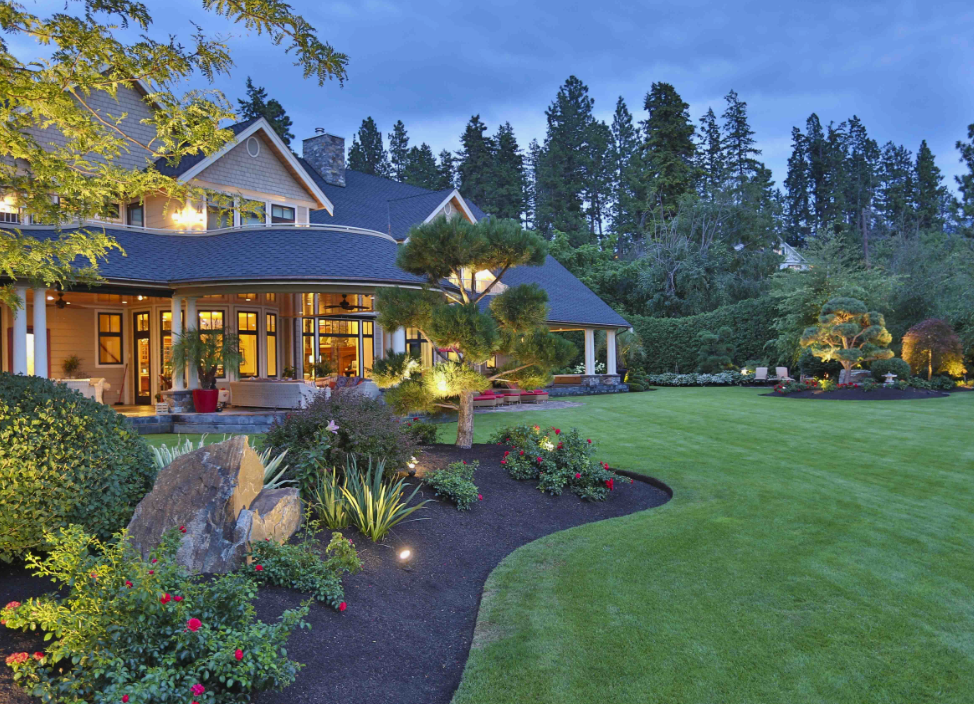
Outdoor environments significantly influence the appearance, comfort, and value of residential and commercial properties. A well-planned landscape enhances curb appeal while improving functionality and creating inviting outdoor spaces for relaxation and entertainment. Modern landscaping integrates natural elements with structured design to achieve harmony between beauty and usability. From green lawns and garden beds to patios and walkways, every component contributes to a cohesive outdoor setting. Thoughtful design ensures that outdoor areas are not only visually appealing but also practical, sustainable, and suited to the property’s architectural style and surrounding environment.
In today’s property improvement industry, landscape design and installation services are essential for homeowners and businesses aiming to transform outdoor spaces through professional planning and execution. These services combine creative design with technical precision to ensure every project is both functional and visually appealing. From initial consultation to final installation, experts manage every stage with attention to detail, delivering customized outdoor environments that match client preferences, property conditions, and long-term maintenance needs.
Why Professional Landscaping Matters
Professional landscaping goes beyond decoration and involves strategic planning, environmental awareness, and technical expertise. Designers evaluate soil, climate, drainage, and space layout before creating tailored solutions. This approach ensures sustainability, reduces maintenance costs, and improves property value. A well-executed landscape also enhances outdoor usability, creating areas for relaxation, entertainment, and daily activities while improving overall quality of life.
Design Process
The design process begins with consultation to understand client needs, budget, and site conditions. Designers then create layouts including plants, hardscape features, and spatial planning. Visualization tools may be used to preview the final design. Once approved, a structured plan guides efficient execution, ensuring every element aligns with functionality, aesthetics, and sustainability goals.
Key Elements of Landscaping
A successful landscape includes softscaping, hardscaping, irrigation, and lighting. Softscaping involves plants suited to local conditions, while hardscaping includes patios, pathways, and structural features. Irrigation systems ensure efficient water use, and lighting improves safety and highlights design features. Together, these components create a balanced and functional outdoor environment.
Installation Process
Landscape installation requires careful preparation, including grading, soil improvement, and drainage setup. Hardscape elements are installed for durability, followed by precise planting based on design plans. Irrigation and lighting systems are integrated seamlessly. Quality control throughout ensures the final result matches the approved design and meets performance standards.
Benefits of Professional Landscaping
High-quality landscaping improves property value, curb appeal, and outdoor usability. It creates functional spaces for relaxation and social gatherings while supporting environmental sustainability. Efficient designs reduce maintenance and water usage, making landscapes both cost-effective and eco-friendly. Professionally designed outdoor areas also enhance mental well-being by providing natural, calming environments.
Maintenance and Care
Regular maintenance is essential for long-lasting landscape performance. Tasks include trimming, fertilization, weed control, irrigation checks, and seasonal cleanups. Proper care ensures plant health and preserves structural features. Seasonal adjustments help landscapes adapt to weather changes. Many property owners rely on professional maintenance services for consistent upkeep and long-term durability.
Choosing the Right Professionals
Selecting experienced landscaping professionals ensures successful project outcomes. Key factors include portfolio quality, expertise, and local knowledge. Reliable companies offer transparent communication, customized solutions, and high-quality materials. Proper planning and skilled execution reduce errors and improve efficiency, resulting in landscapes that meet both aesthetic and functional expectations.
Conclusion
Professional landscape design transforms outdoor spaces into functional and attractive environments. With expert planning and precise installation, property owners achieve landscapes that enhance lifestyle, increase value, and reduce maintenance needs. From concept to completion, each stage contributes to a cohesive result that delivers long-term beauty, usability, and sustainability.