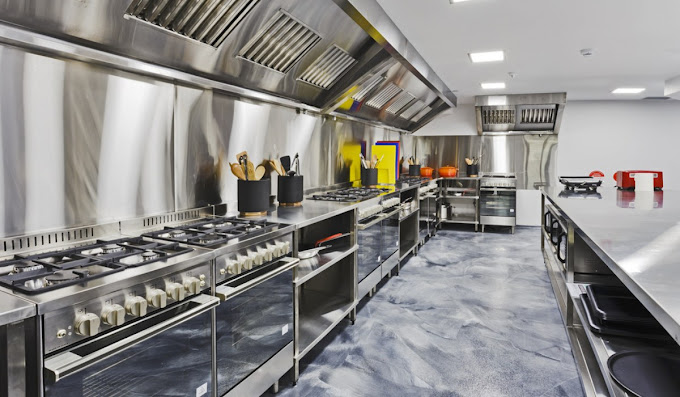
When customers visit a restaurant, they notice the food, service, and atmosphere. What they don’t see is the hard work happening behind the kitchen doors. A restaurant kitchen is where every order comes to life, and the equipment used there plays a major role in ensuring smooth operations.
Restaurant kitchen equipment is more than just machines and appliances. It helps chefs work efficiently, maintain food quality, and serve customers on time. Whether it is a fine-dining restaurant, casual café, fast-food outlet, or family restaurant, having the right kitchen setup is essential for daily success.
Why the Right Equipment Matters
A busy restaurant kitchen handles dozens or even hundreds of orders each day. Staff members need equipment that performs consistently without slowing down operations. Reliable kitchen equipment helps reduce delays, supports faster food preparation, and creates a better workflow throughout the kitchen.
When equipment is properly selected and organized, employees can focus on cooking and serving guests instead of dealing with operational challenges.
Creating an Efficient Kitchen Environment
A well-planned restaurant kitchen is designed to keep every task moving smoothly. Food preparation, cooking, storage, and cleaning should work together without creating bottlenecks.
Professional kitchen equipment helps establish this balance. It allows chefs to move quickly between tasks while maintaining accuracy and consistency in every dish.
Preparation Area
Before cooking begins, ingredients must be washed, cut, mixed, and prepared. Equipment such as mixers, slicers, vegetable cutters, and preparation tables helps save time and maintain consistency.
Cooking Section
The cooking area is often the busiest part of a restaurant kitchen. Commercial ranges, ovens, grills, fryers, and steamers support different cooking methods and help chefs manage multiple orders efficiently.
Storage Solutions
Fresh ingredients are the foundation of quality food. Refrigeration units and storage systems help preserve ingredients while keeping them organized and easy to access during service hours.
Cleaning and Hygiene
Maintaining cleanliness is just as important as preparing food. Proper washing stations, sinks, and cleaning equipment help restaurants maintain hygiene standards and create a safe environment for both staff and customers.
Benefits of Modern Restaurant Kitchen Equipment
Modern restaurant kitchens are designed with efficiency in mind. New equipment offers improved performance while reducing energy and maintenance costs. Durable construction ensures long-term reliability, even in high-volume environments.
Many restaurant owners also appreciate equipment that saves space. Compact and multifunctional designs help maximize kitchen capacity without sacrificing productivity.
Choosing Equipment Based on Restaurant Needs
Every restaurant has a different menu, customer volume, and kitchen layout. Equipment should be selected according to these specific requirements. A small café may require a different setup than a large restaurant or banquet facility.
Investing in quality equipment from the beginning helps businesses avoid unnecessary expenses in the future. Durable equipment provides better performance and often requires fewer repairs over time.
Supporting Restaurant Growth
As restaurants expand their customer base, kitchen operations must keep up with increasing demand. Reliable equipment helps businesses scale efficiently and maintain service quality during busy periods.
A strong kitchen foundation allows restaurant owners to focus on improving menus, enhancing customer experiences, and growing their business with confidence.
Conclusion
Restaurant kitchen equipment is one of the most important investments for any food service business. Commercial Kitchen Equipment It supports every stage of food preparation, improves workflow, and helps deliver consistent quality to customers. A well-equipped kitchen creates a productive environment where chefs can perform at their best and restaurants can continue to grow successfully in a competitive market.