
If you are noticing strange noises in your walls or sudden drafts in your living room, rodents might be destroying your attic. Standard materials like fiberglass make perfect nesting grounds, but choosing a dense alternative with closed-cell insulation and pest protection can stop these invaders in their tracks. By sealing off tiny entry points and offering no nutritional value or nesting comfort, this advanced material keeps your home warm and secure.
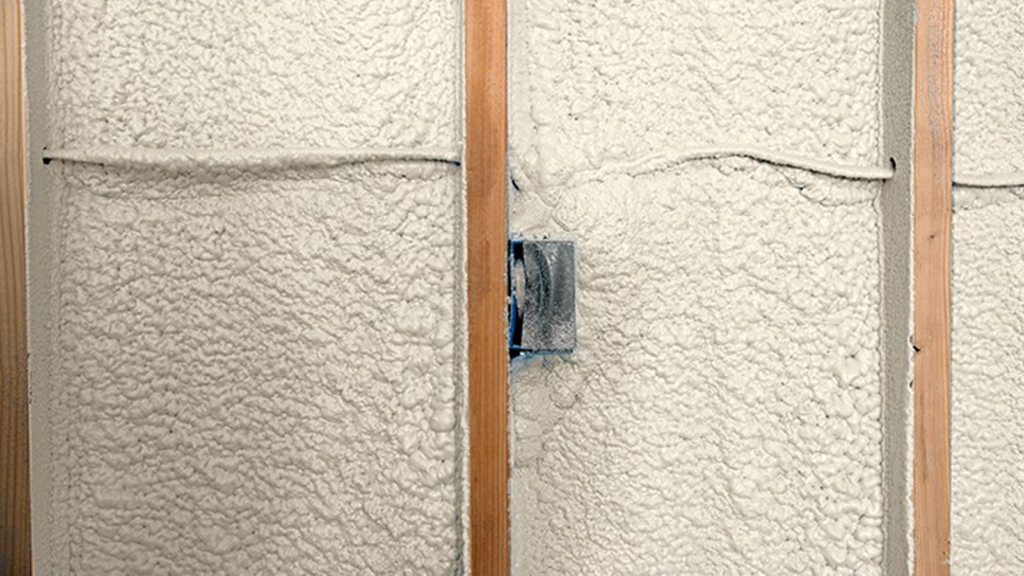
Data from national housing surveys indicates that wild rodents cause hundreds of millions of dollars in property damage each year. Replacing ruined attics is a major part of these costs, making a proactive defense highly sensible. This article details how upgrading your home barriers can put an end to rodent cycles while lowering your monthly energy bills.
Why Do Traditional Materials Attract Unwanted Pests?
Many homes rely on fiberglass batts or loose-fill cellulose to control indoor temperatures. While these materials are common, they are soft, airy, and highly inviting to nesting animals looking for shelter.
Mice and rats easily burrow through pink fiberglass, tearing it apart to create cozy nests for their offspring. This activity ruins the thermal performance of your home, leading to cold spots and higher utility bills.
Over time, these materials absorb moisture and trap pheromones from nesting animals. This scent attracts even more pests to the space, creating a recurring cycle of infestation. Installing a true rodent-proof insulation is often the only way to break this ongoing cycle permanently.
- Fiberglass batts offer zero resistance to physical chewing or nesting.
- Cellulose, though sometimes treated with fire retardants, still shifts easily and allows tunneling.
- Animal waste in these loose materials creates serious air quality issues throughout the house.
Why Closed-Cell Foam Stops Rodents
Unlike soft fiberglass, dense polyurethane foam hardens into a solid, rigid barrier that animals cannot easily nest in or chew through. It provides exceptional pest-resistant insulation by physically blocking the small cracks that pests use to enter your living areas.
Because the material cures into a hard plastic state, it does not offer the soft, fluffy texture that mice require for nesting. When pests encounter this surface, they find it difficult to grip or shred, encouraging them to look elsewhere.
Using this durable seal also means blocking the tiny air leaks that carry warm air outside. Rodents are attracted to these warm air currents, which act like a beacon guiding them toward your attic or crawl space.
By eliminating these thermal cues, you make your home far less noticeable to passing pests. Investing in high-quality closed-cell spray foam insulation ensures that your thermal barrier remains intact and free of animal damage for decades.
- The dense structure prevents pests from using the material for nests.
- Complete draft elimination stops warm air from guiding rodents to entry holes.
- The material does not retain animal odors or pheromones that attract other pests.
Technical Comparison of Common Barriers
To understand why certain materials fail while others succeed, it is helpful to look at their physical properties. The table below compares common materials based on density, pest deterrence, and overall performance.
| Material Type | Density Level | Nesting Resistance | Air Sealing Ability | Average Lifespan |
|---|---|---|---|---|
| Fiberglass Batts | Very Low (0.5 to 1.5 lbs/cu.ft.) | Extremely Poor | None (Air passes through) | 10 to 15 Years (if undisturbed) |
| Loose-Fill Cellulose | Low (1.5 to 2.0 lbs/cu.ft.) | Poor (Settles over time) | Low (Minimizes drafts only) | 20 to 30 Years |
| Closed-Cell Spray Foam | High (2.0+ lbs/cu.ft.) | Excellent (Cures rock-hard) | Complete Air and Vapor Barrier | 80+ Years (Lifetime) |
National building data suggests that air leaks account for up to 40 percent of a home’s heating and cooling energy loss. Blocking these leaks does more than just keep rodents out; it directly lowers your monthly utility expenses.
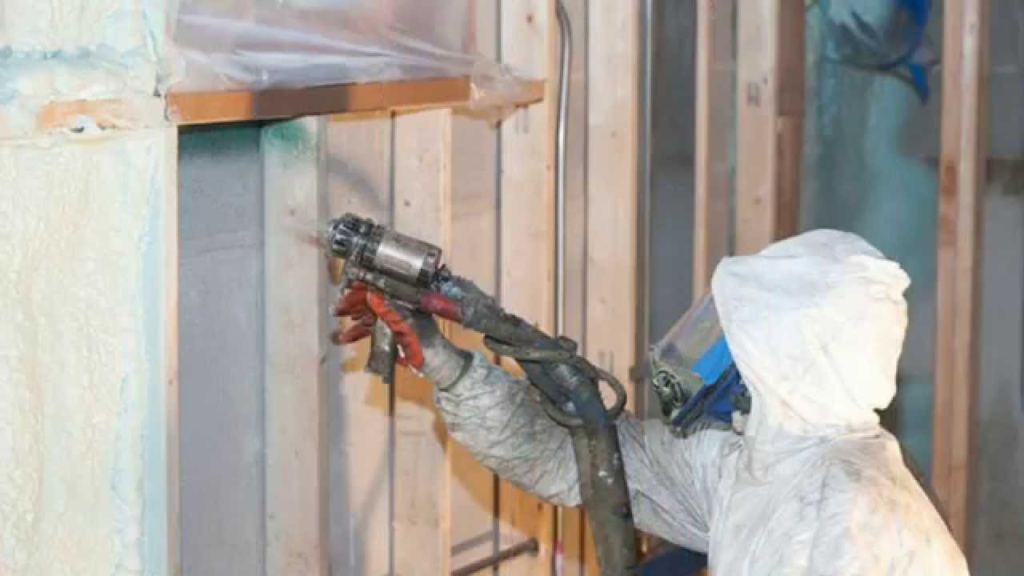
Cured high-density polyurethane requires specialized tools to remove or alter once it is fully set. This dense physical structure makes it practically impossible for common household pests to destroy or tunnel through.
- High-density foam acts as a physical shield against animal claws.
- It maintains its shape and density for decades without settling or sagging.
- The material resists moisture, preventing the rot that attracts wood-boring pests.
3 Key Steps to Protect Your Home with Modern Barriers
1. Sealing the Entry Points
The first step in securing your home is closing the tiny physical gaps around pipes, wires, and foundation sills. Mice can squeeze through openings as small as a dime, making thorough sealing necessary.
Applying a high-density barrier in these gaps creates an airtight seal that blocks drafts and pests alike. This home protection insulation prevents cold drafts from seeping into your basement or crawl space during harsh winter months.
- Fill all foundation cracks with dense expanding materials.
- Seal areas around outdoor utility conduits and pipes.
- Check for gaps along the sill plate where the framing meets the foundation.
2. Upgrading the Attic Spaces
Attics are the most common target for squirrels and raccoons looking for winter shelter. Removing old, soiled fiberglass and replacing it with durable insulation solutions changes the attic environment completely.
Once the dense foam is applied to the roof deck, it seals off the soffits and ridge vents from animal entry. This keeps the attic clean, dry, and completely uninviting to unwanted wildlife.
- Remove all soiled fiberglass batts to eliminate animal scents.
- Sanitize the area to remove lingering pheromones.
- Apply dense foam directly to the underside of the roof deck.
3. Securing the Crawl Space
Crawl spaces are highly vulnerable to dampness and rodent tunneling. When traditional materials sag due to moisture, pests move in immediately.
Replacing saggy fiberglass with solid foam prevents moisture buildup and stops dirt-burrowing pests from entering. Utilizing closed-cell insulation for pest protection in these lower areas keeps your subfloor warm and dry.
- Seal all dirt floors with thick vapor barriers before insulating.
- Apply dense foam to the crawl space walls to block outdoor air.
- Eliminate standing water sources that attract thirsty pests.
What to Evaluate Before Choosing a Professional Installer
Upgrading your home thermal barrier is a major project that requires specialized equipment and expertise. Homeowners should look for experienced insulation contractors who understand local building codes and regional climate requirements.
In cooler climates, moisture control is just as important as pest control. Proper application requires precise temperature control during the spraying process to ensure the material cures to its maximum density.
Choosing a certified team ensures that the chemical mixture is balanced correctly, avoiding issues with shrinkage or pocket formations. High-density foam provides excellent closed-cell insulation and pest protection when applied at the correct depth by a trained installer.
Bonus Tips:
Always ask your installer if they perform a full thermal camera inspection before and after the application to verify that all gaps are sealed.
Ensure that any active pest infestations are completely treated by a pest control professional before the new foam is sprayed.
- Verify the installer holds active licensing and comprehensive insurance coverage.
- Request references from previous residential projects in your specific region.
- Confirm they offer a written warranty covering both materials and labor.
Making the Right Decision for a Pest-Free Home
Dealing with ruined attic materials and animal waste is frustrating and expensive. Traditional options like fiberglass fail to address the root cause of rodent entry, leaving your property vulnerable year after year.
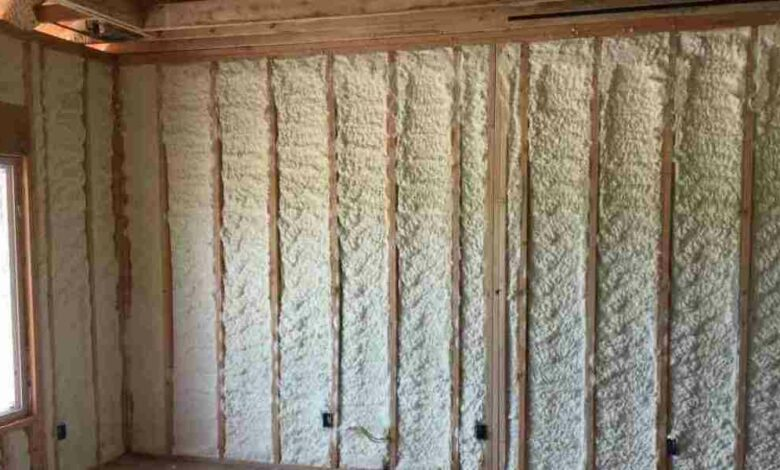
Upgrading to a dense, solid foam barrier solves two major household issues at once. It seals out drafts to lower your energy bills while creating an impenetrable barrier that pests cannot use for nesting.
Evaluate your home’s current comfort levels, look for signs of drafts, and inspect your attic for animal droppings. Taking action now with a permanent, high-density solution will keep your living spaces quiet, clean, and energy-efficient.
- Evaluate your monthly utility bills for unexpected energy spikes.
- Inspect attic corners for signs of chewed framing or nesting debris.
- Consult a professional to determine if a full material replacement is necessary.
Request a Free Quote for Your Home Insulation Upgrade
If you are ready to protect your home from nesting pests, professional help is available. The team at Raleigh Excel Spray Foam Insulation offers high-quality Attic Insulation and Closed Cell Spray Foam Insulation. You can reach their specialists at (919) 301-9435 or email [email protected]. View their office location on Google Maps at https://maps.app.goo.gl/HxBgFqzVHWiSMg3SA to request a free quote and secure your home today.
Common Questions About Foam Barriers and Pest Control
Can mice chew through closed-cell spray foam?
While mice are capable of chewing through many substances if highly motivated, they rarely attempt to chew through cured closed-cell foam. It cures into a dense, hard plastic that does not resemble food or soft nesting material, making it highly unattractive to rodents.
Does spray foam emit odors that attract pests?
No, cured spray foam is completely inert and does not emit any odors that attract insects or rodents. In fact, it seals in existing pheromones and scents that might otherwise draw pests into your home.
Is it necessary to remove old, ruined insulation first?
Yes, any existing fiberglass or cellulose that has been contaminated by animal waste must be removed. This ensures a clean surface for the foam to adhere to and eliminates lingering health hazards from animal droppings.
How long does closed-cell spray foam last once installed?
Once applied and cured, closed-cell foam does not sag, settle, or degrade over time. It is designed to last for the entire lifespan of the building, providing permanent protection and thermal efficiency.
Does this type of barrier prevent insect infestations too?
Yes, because the material expands to fill every tiny crack and crevice, it blocks entry paths for spiders, ants, and beetles. It also acts as a moisture barrier, reducing the damp conditions that draw insects indoors.