
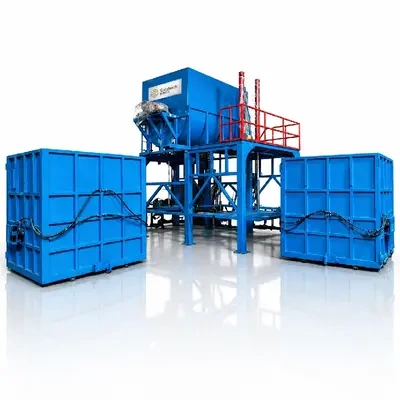
Balancing reliability and cost-effectiveness represents one of the more challenging aspects of foam machinery design and manufacturing, since these two priorities can sometimes pull in different directions if not managed thoughtfully throughout the engineering and production process. Understanding how a genuinely effective approach navigates this balance helps illustrate what separates manufacturers who successfully deliver both qualities simultaneously from those forced to compromise meaningfully on one priority to achieve the other.
Engineering Reliability Without Excessive Over-Design
Genuine reliability doesn’t necessarily require excessive, costly over-engineering; rather, it emerges from thoughtful design decisions that address the actual failure modes and wear patterns equipment genuinely experiences during real production use, rather than adding unnecessary complexity or excessive material specification that increases cost without proportionally improving actual reliability. Among pu foaming machine manufacturers pursuing this balanced approach, careful attention to component selection and design details that genuinely matter for long-term reliability, rather than blanket over-specification throughout the entire machine, helps achieve dependable performance without unnecessarily inflating equipment cost beyond what genuine reliability actually requires.
Manufacturing Efficiency That Supports Competitive Pricing
Cost-effective equipment pricing depends significantly on manufacturing efficiency, including streamlined production processes, efficient supply chain management for component sourcing, and manufacturing scale that supports reasonable per-unit production costs without sacrificing the quality control necessary to maintain genuine reliability standards. Manufacturers who achieve this kind of manufacturing efficiency can offer competitively priced equipment while still maintaining the quality standards necessary for genuine long-term reliability, avoiding the false choice between affordable pricing and dependable performance that some less efficiently organized manufacturers might present to customers.
Standardization Where It Makes Sense
Thoughtful standardization of certain equipment components and configurations, applied selectively where genuine customization doesn’t provide meaningful practical benefit, helps control manufacturing costs while still allowing customization flexibility in the areas where it genuinely matters for specific customer application requirements. This selective standardization approach avoids the cost inefficiency of fully custom-engineering every single equipment component while still preserving the meaningful customization flexibility that genuinely demanding or unusual applications require to perform effectively within their specific production environment.
Quality Control That Prevents Costly Field Failures
Investing genuinely in thorough quality control throughout the manufacturing process, rather than treating quality control as an area for cost-cutting, ultimately supports both reliability and cost-effectiveness simultaneously, since preventing field failures through careful manufacturing quality control avoids the considerably higher costs associated with warranty repairs, customer dissatisfaction, and reputational damage that inadequate quality control inevitably eventually creates. This investment in upfront quality control represents genuine cost-effectiveness from a total business perspective, even though it might appear to add manufacturing cost when viewed narrowly through an isolated per-unit production cost lens.
Transparent Value Communication With Customers
Manufacturers successfully balancing reliability and cost-effectiveness typically communicate this value proposition transparently with customers, helping buyers understand exactly what they’re getting for their investment rather than either underselling genuine quality advantages or overselling capabilities beyond what the equipment can actually reliably deliver. This transparent communication helps customers make genuinely informed purchasing decisions, understanding the real value proposition being offered rather than navigating potentially misleading marketing claims that don’t accurately reflect actual equipment capability and expected performance.
Achieving Genuine Balance Rather Than Compromise
Ultimately, the most successful approach to balancing reliability and cost-effectiveness avoids treating these priorities as fundamentally opposed considerations requiring painful compromise, instead pursuing thoughtful engineering and manufacturing decisions that genuinely achieve both priorities together rather than sacrificing one significantly to achieve the other. Manufacturers who successfully navigate this balance provide considerably more value to their customers than those forced into a more binary choice between expensive but reliable equipment and affordable but unreliable alternatives that ultimately cost customers more through downtime and repairs over the equipment’s operational lifetime. Businesses evaluating equipment options benefit from looking specifically for this kind of thoughtful, balanced engineering approach, recognizing that manufacturers who successfully achieve both reliability and cost-effectiveness simultaneously provide considerably more genuine long-term value than those forced into a more limited, either-or trade-off between these two important priorities.