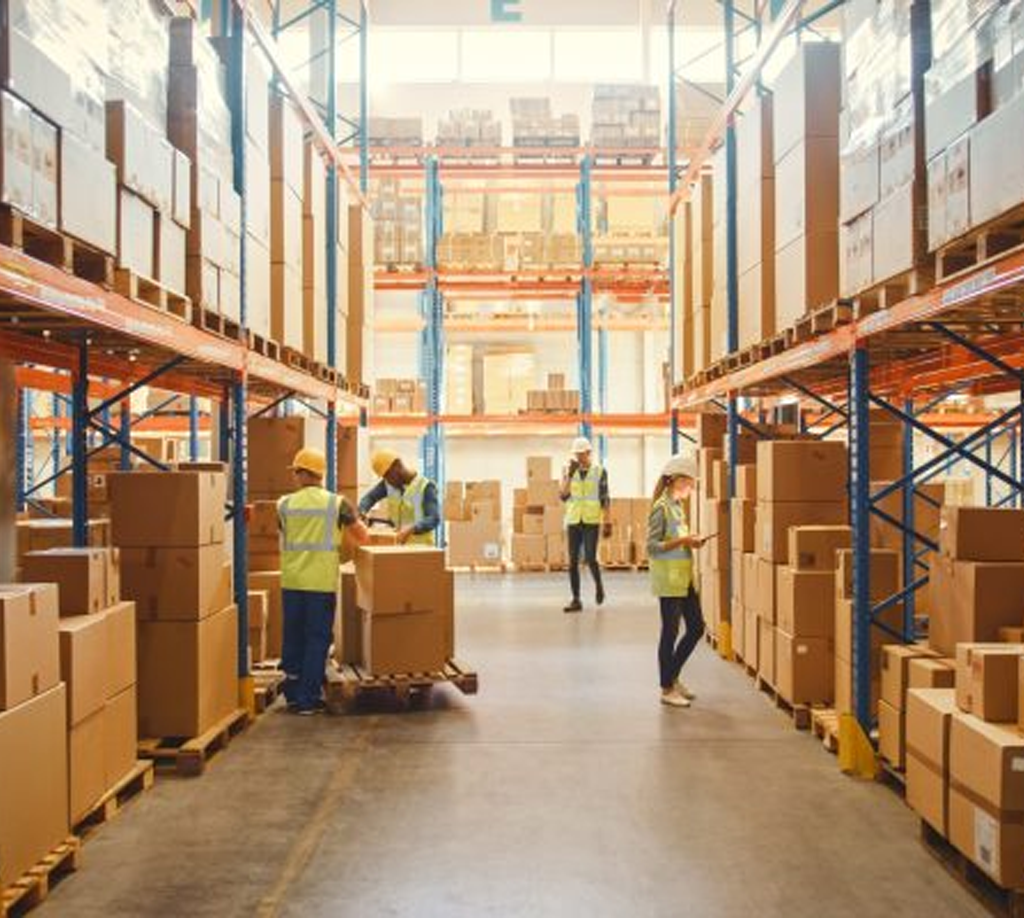
In the modern e-commerce landscape, the difference between a thriving business and one that struggles to keep up often comes down to logistics. As your customer base grows, the logistical complexities—inventory management, order processing, and shipping—can quickly become a bottleneck, consuming time and resources that should be dedicated to product development and marketing.
This is where Third-Party Logistics (3PL) providers come into play. A 3PL Warehouse Miami isn’t just a storage facility; it is a strategic partner capable of transforming your supply chain from a source of stress into a competitive advantage.
What is a 3PL Warehouse?
A 3PL provider offers outsourced logistics services, including warehousing, inventory management, picking and packing, and shipping. By partnering with a 3PL, businesses can offload the heavy lifting of fulfillment to experts who possess the technology, space, and carrier relationships necessary to move products efficiently.
But why should a growing business consider this transition now?
1. Scalability and Flexibility
One of the most significant challenges for growing brands is managing seasonal spikes. Whether it’s the holiday rush or a viral social media moment, your fulfillment capacity needs to be elastic.
Managing your own warehouse makes scaling difficult; you are tied to a fixed lease and a fixed staff. A 3PL, however, provides the flexibility to scale up or down based on demand. You only pay for the storage and labor you use, allowing you to handle sudden growth without the overhead costs of managing a larger physical footprint yourself.
2. Reduced Operating Costs
Many entrepreneurs underestimate the hidden costs of self-fulfillment. When you factor in warehouse rent, utilities, insurance, security, packaging materials, and the administrative cost of managing a logistics team, the overhead adds up quickly.
3PLs offer economies of scale. Because they handle fulfillment for multiple clients, their cost of shipping—especially in terms of carrier rates—is often significantly lower than what a single small or medium-sized business could negotiate on its own. By leveraging their established infrastructure, you can often improve your profit margins while simultaneously improving delivery times.
3. Faster Shipping and Customer Satisfaction
In the era of “Amazon Prime,” customer expectations have never been higher. Today’s consumers expect rapid delivery and near-perfect order accuracy.
3PL providers utilize advanced Warehouse Management Systems (WMS) to optimize inventory placement and speed up the pick-and-pack process. Furthermore, by distributing your inventory across multiple 3PL warehouse locations closer to your customers, you can significantly reduce transit times and shipping costs. This leads to higher customer satisfaction, better reviews, and increased repeat business.
4. Access to Advanced Technology
Modern logistics is data-driven. A top-tier 3PL provider integrates directly with your e-commerce platform (like Shopify, Magento, or WooCommerce), providing real-time visibility into your stock levels, order status, and shipping metrics.
By having an automated flow of information, you eliminate manual entry errors and gain valuable insights into your inventory turnover rates. This data allows you to make informed decisions about which products are performing well and when it’s time to reorder, helping you avoid both dead stock and stockouts.
5. Focus on Core Business Functions
Perhaps the most important benefit of partnering with a 3PL is the reclamation of your time. As a business owner or manager, your creative energy is better spent on brand strategy, product innovation, and customer acquisition. When you are stuck in the warehouse managing returns or troubleshooting shipping delays, you aren’t growing the business.
Outsourcing fulfillment allows you to shift from being a “logistics manager” back to being a “business leader.”
How to Choose the Right 3PL Partner
If you have decided that outsourcing is the next step for your brand, how do you find the right fit? Not all 3PLs are created equal. Consider these criteria during your evaluation process:
- Technology Integration: Can they seamlessly sync with your current sales channels? Do they provide a dashboard that offers real-time inventory visibility?
- Location Strategy: Are their warehouse locations strategically positioned to reduce your shipping zones and delivery times?
- Scalability: Can they handle your business if your volume suddenly triples?
- Transparency and Performance: What are their Service Level Agreements (SLAs)? Ask for their average order accuracy rate and their process for handling returns (Reverse Logistics).
- Cultural Fit: Do they communicate well? A 3PL should act as an extension of your company, meaning their commitment to customer service should mirror your own.
The Bottom Line: Investing in Growth
Choosing to move from self-fulfillment to a 3PL partnership is a major milestone for any company. It signals a move away from “survivor mode” and toward a professional, scalable infrastructure.
While it requires a shift in how you manage your inventory, the trade-off is a streamlined supply chain, lower shipping costs, and the freedom to pursue the growth strategies that will define the future of your brand. If you are struggling to keep up with the demands of your fulfillment process, the question isn’t whether you can afford to hire a 3PL—it’s whether you can afford not to.