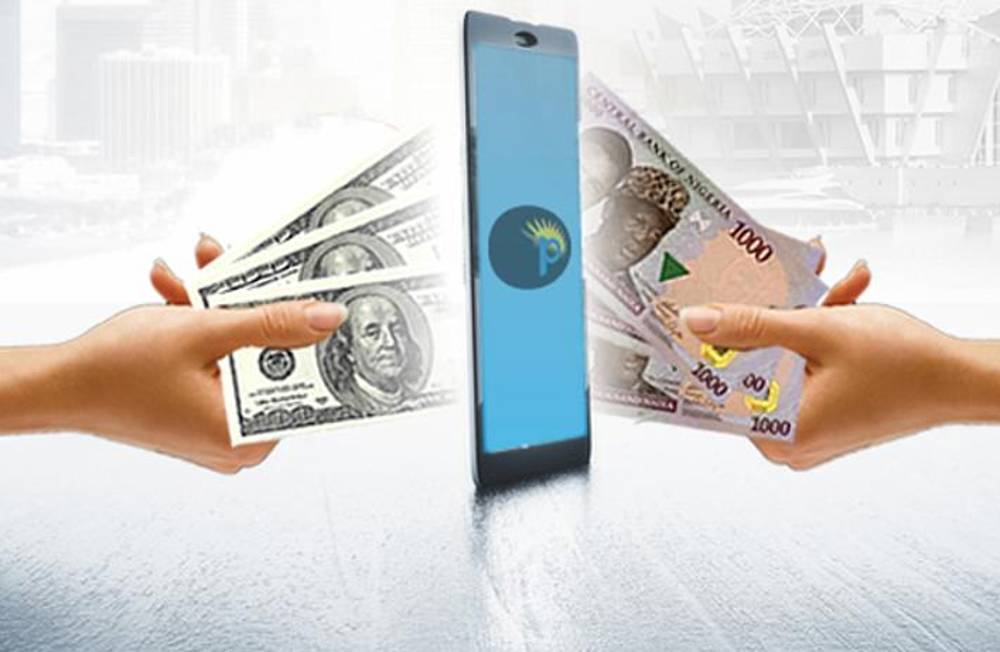
I run a small trading business where I have to pay suppliers in China and Turkey every few months. For the longest time, I did not understand how international payments worked. I would ask my bank, and they would throw big words at me. Then I learned about telegraphic transfer. And let me tell you, once you understand it, life becomes much easier.
What Exactly Is a Telegraphic Transfer?
In simple words, a telegraphic transfer is a way to send money from your bank account in Pakistan to someone else’s bank account in another country. It is safe, it is trackable, and almost every bank offers it. But there is one thing that confuses most people. The final amount that reaches the other person depends heavily on something called the US dollar price in Pakistan.
Why the Dollar Price Matters So Much
When you send money through a telegraphic transfer, your rupees are first converted into US dollars. Then those dollars are sent abroad. If the dollar price is high on that day, you will need more rupees to send the same amount of dollars. For example, if you want to send one thousand dollars and the dollar rate is two hundred eighty rupees, you need two hundred eighty thousand rupees. But if the rate is three hundred rupees, you need three hundred thousand rupees. That is a big difference.
I learned this the hard way. One time I did not check the dollar rate before initiating a telegraphic transfer. I ended up paying almost forty thousand rupees extra just because I was in a hurry. Now I always check the US dollar price in Pakistan before doing any transfer. I even keep a small notebook where I note the rates for a few days to see if they are going up or down.
How to Make a Telegraphic Transfer Without Stress
First, go to your bank and ask for their foreign exchange department. Tell them you want to do a telegraphic transfer. They will ask for the receiver’s bank details, which you must write very carefully. One wrong digit and the money can get stuck. Second, ask them what the current dollar buying rate is. Banks do not use the open market rate. They have their own rates, which are usually a little higher. Third, ask about all charges. There is a transfer fee, sometimes an intermediary bank fee, and taxes. Add all that to your calculation.
After doing this five or six times, it becomes second nature. Now I check the US dollar price in Pakistan every morning like a routine. If the rate is good, I initiate my telegraphic transfer the same day. If the rate is bad, I wait a few days. This simple habit has saved me thousands of rupees over the last year.
So if you are a business owner or a student paying fees abroad, do not fear telegraphic transfer. Just understand the dollar, plan your timing, and always ask for the final total in rupees before you say yes. It is not complicated. It just needs a little attention.