
Most of us have experienced sunburn at some point in our lives. Whether it happened during a beach holiday, while playing outdoor sports, or simply spending too much time in the garden, prolonged sun exposure can leave its mark. While many people think of sunburn as a temporary inconvenience, repeated exposure to harmful ultraviolet (UV) rays can significantly increase the risk of developing skin cancer.
Skin cancer is one of the most common forms of cancer in Australia, largely due to the country’s high UV levels and outdoor lifestyle. The encouraging news is that when skin cancer only is detected early, it is often highly treatable. Understanding the warning signs, knowing your personal risk factors, and scheduling regular skin examinations are essential steps in protecting your long-term health.
What Is Skin Cancer?
Skin cancer develops when abnormal skin cells begin growing uncontrollably. This usually occurs after years of exposure to ultraviolet radiation from the sun or artificial tanning devices. Although anyone can develop skin cancer, certain factors can increase the likelihood of diagnosis.
The three primary types of skin cancer include:
- Basal Cell Carcinoma (BCC)
- Squamous Cell Carcinoma (SCC)
- Melanoma
Basal cell carcinoma is the most common and generally grows slowly. Squamous cell carcinoma can spread if left untreated, while melanoma is considered the most aggressive form and requires prompt medical attention. Early diagnosis remains the key to successful treatment for all three types.
Why Australia Has High Rates of Skin Cancer
Australia records some of the highest rates of skin cancer worldwide. The combination of strong UV radiation, a sunny climate, and outdoor activities contributes to increased exposure throughout the year.
Many Australians spend time at beaches, sporting events, parks, and outdoor workplaces. Even on cloudy days, ultraviolet rays can penetrate through the clouds and damage skin cells. This cumulative damage often develops over many years before visible signs begin to appear.
Regular skin protection and routine skin checks are strongly recommended, especially for individuals who spend significant time outdoors.
Common Signs You Should Never Ignore
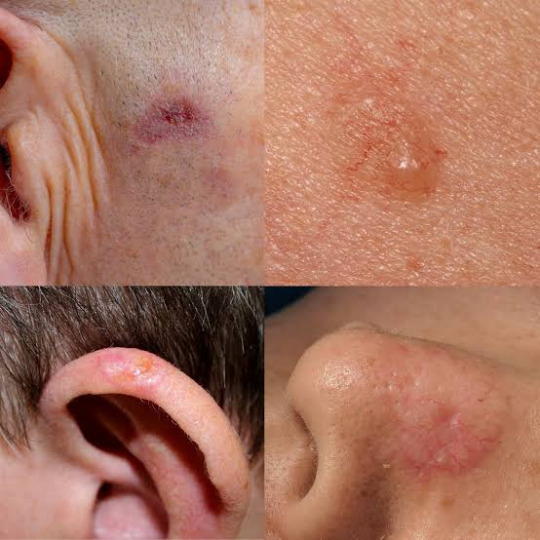
Skin cancer does not always appear suddenly. In many cases, it begins with subtle changes that may seem harmless at first.
Some warning signs include:
- A mole that changes in size, shape, or colour
- A sore that refuses to heal
- A spot that bleeds repeatedly
- Persistent itching or tenderness
- A rough, scaly patch that continues to grow
- A new lump or bump on previously normal skin
Following the ABCDE guideline for moles can also be helpful:
- Asymmetry
- Border irregularity
- Colour variation
- Diameter larger than 6 mm
- Evolving or changing over time
If you notice any of these changes, arranging a professional skin examination is the safest course of action.
Who Is Most at Risk?
Although skin cancer can affect anyone, certain individuals face a higher risk.
Risk factors include:
- Fair skin that burns easily
- Light-coloured eyes or hair
- Frequent sunburns during childhood
- Long-term outdoor occupations
- Family history of skin cancer
- Large numbers of moles
- Previous diagnosis of skin cancer
- Increasing age
Having one or more risk factors does not guarantee you will develop skin cancer, but it does mean that regular monitoring becomes even more important.
The Importance of Professional Skin Checks
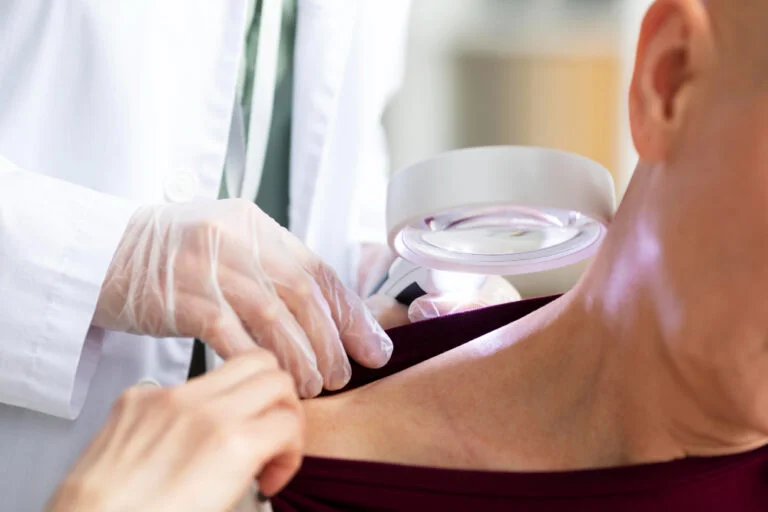
Many skin cancers are discovered before they produce pain or noticeable symptoms. This is why routine skin examinations performed by experienced medical professionals play such an important role.
During a skin examination, the doctor carefully assesses moles, freckles, and other skin lesions using specialised equipment such as a dermatoscope. If an area appears suspicious, additional investigation or a biopsy may be recommended to confirm the diagnosis.
Professional skin checks are particularly valuable because many early skin cancers look similar to harmless spots that most people would never think twice about.
How Skin Cancer Is Diagnosed
Diagnosing skin cancer typically begins with a thorough clinical examination. If necessary, the doctor may recommend removing all or part of the suspicious lesion for laboratory analysis.
The pathology results help determine:
- Whether cancer is present
- The exact type of skin cancer
- Whether additional treatment is required
In many situations, removing the suspicious spot during the biopsy may also completely eliminate the cancer if it is detected early.
Treatment Options
Treatment depends on several factors, including the type of skin cancer, its size, location, and whether it has spread.
Common treatment options include:
- Surgical excision
- Mohs micrographic surgery
- Cryotherapy for selected lesions
- Topical treatment creams
- Photodynamic therapy
- Radiation therapy in selected cases
Surgical removal remains the most common and successful treatment for many basal cell and squamous cell skin cancers. Melanoma treatment may involve additional procedures depending on its stage and depth.
Preventing Skin Cancer Starts Today
While not every case of skin cancer can be prevented, many can be significantly reduced through healthy sun protection habits.
Simple preventive measures include:
- Applying broad-spectrum sunscreen daily
- Wearing protective clothing
- Using wide-brimmed hats
- Wearing UV-protective sunglasses
- Seeking shade during peak UV hours
- Avoiding tanning beds
- Performing monthly self-skin examinations
Making these habits part of your daily routine helps reduce cumulative UV damage over time.
Why Early Detection Makes Such a Difference
One of the greatest advantages in the fight against skin cancer is that it can often be seen with the naked eye before it becomes life-threatening.
When detected early:
- Treatment is generally less invasive.
- Recovery is often quicker.
- Cosmetic outcomes are usually better.
- The likelihood of successful treatment is significantly higher.
Waiting until symptoms become severe may allow certain skin cancers, particularly melanoma, to spread to other parts of the body, making treatment more complex.
Final Thoughts
Your skin is your body’s largest organ, and it deserves regular attention. A small spot that seems insignificant today could represent the earliest stage of skin cancer. Fortunately, modern diagnostic techniques and effective treatments mean that many skin cancers can be successfully managed when identified promptly.
Whether you have noticed a changing mole, a persistent sore, or simply want peace of mind, scheduling regular skin examinations is one of the smartest investments you can make in your health. Combining sensible sun protection with routine professional skin checks provides the best defence against skin cancer and helps ensure that any concerning changes are identified as early as possible.
Remember, when it comes to skin cancer, early detection truly saves lives.