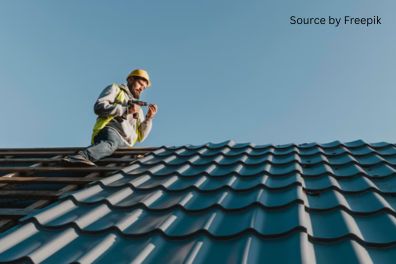
You probably think you know asphalt shingles. Most people see them on almost every house and assume they are just simple, slightly old-fashioned pieces of material. However, modern asphalt roofing has changed into something quite advanced. Today, these materials handle wind, fire, and algae growth with a lot of efficiency. Manufacturers now embed stronger fibers and reflective granules that completely alter how a roof performs. It is intriguing to think about, but a new asphalt roof feels entirely different from one built twenty years ago. The technology inside each shingle has quietly shifted over time. This discussion will highlight a few unexpected realities about the material sitting right above your head.
Modern Shingles Do More Than Just Cover You
Think of a shingle as a little protection system for your house. New asphalt roofing features unique granules that bounce solar energy away from the attic region. This keeps the higher floors cooler without having to constantly adjust the thermostat. The reflecting surface slows down the aging of the asphalt. Homeowners save money on energy bills and have a longer-lasting roof since it keeps cool. Some of the shingles now have copper or zinc particles embedded directly into the granules. This prevents moss and algae from growing over the surface of the roof.
There is another hidden feature – impact resistance. Manufacturers put rubbery polymers into the asphalt mix. Adding SBS polymer transforms normal asphalt into something closer to rubber, making each shingle malleable, rather than brittle. Rather than fracture under pressure, the material flexes and cracks when hit by hail or small branches. Instead of a sharp crack, there is only a muffled thud. This same flexibility is also very useful when there are strong storms, with the roof able to move naturally with heavy winds so that the entire structure remains snugly in place.
Your roof helps fight fire without you knowing
You might not live anywhere near a forest, but fire risks still exist in everyday neighborhoods. Embers from a distant brush fire or even a neighbor grill can travel surprisingly far. Modern asphalt roofing carries a Class A fire rating as a baseline feature. This means the shingles resist severe fire exposure without burning through to the wooden deck underneath. The fiberglass pad at the heart of each shingle is not easily burned. Furthermore, the asphalt coating contains specific fire retardants that extinguish small flames quickly.
What surprises most people is the self-sealing property of the material. When intense heat from a fire hits the shingle, the asphalt softens and flows into tiny gaps. This action seals off oxygen paths that could otherwise feed the flames. The roof essentially becomes a continuous barrier against fire penetration. Many homeowners assume only metal or tile roofs offer this level of protection. However, modern asphalt roofing in Port St. Lucie and other warm climates now includes these advanced fire-resistant layers automatically. You receive this protection without paying extra money.
Algae Resistance Comes from Clever Chemistry
Black streaks on a roof look messy, and they usually signal something deeper than just dirt. Those dark streaks are airborne algae that feed on the limestone filler inside older shingles. Manufacturers solved this problem by replacing some of the limestone with ceramic-coated granules that contain algaecides. When rain falls, a tiny amount of copper or zinc washes over the shingle surface. This metal layer is microscopic, so it does not harm your garden or your gutters. It does, however, kill algae spores before they can establish roots.
You might assume darker roofs get hotter and grow more algae as a result. In fact, algae actually prefer cooler, damp shade. Modern light-colored shingles can sometimes grow more streaks because they reflect light and stay moist longer. The algaecide technology works completely independently of color. You can choose any shade from jet black to pale grey and receive the exact same protection. Manufacturers also changed how they package the shingles. Fresh shingles now arrive wrapped in breathable plastic that blocks out light. This prevents algae from growing on the shingles while they sit in a warehouse waiting for your home.
Asphalt roofs today last twice as long as old ones.
Your parents probably had to replace their roof every fifteen years or so. You can now expect double that lifespan from a well-installed modern system. The difference comes down to three major changes in design. First, the fiberglass mat is much denser and resists tearing. Second, the asphalt blend includes modified polymers that resist ultraviolet breakdown from the sun. Third, the adhesive strips have stronger bonding agents that never fully harden or become brittle.
Another major longevity factor involves ventilation integration. Breathable synthetic underlayment’s have replaced old tar paper. These materials let moisture escape from the deck while blocking liquid water from above. Your shingles stay drier on their underside, which prevents premature aging from trapped humidity. You also see much better wind performance. Old roofs lost shingles when gusts got under the tabs. Wider sticky zones and deeper cuts on new tiles make lifting them almost impossible. A modern asphalt roof, properly built, can withstand wind speeds that would strip a whole old-style roof off in minutes.
Conclusion: Make A Smart Choice for Your Home
Modern asphalt roofing is a high-tech shield that reflects heat, fights fire, kills algae, and outlasts older materials. You gain energy savings and durability without changing the classic look of shingles. When replacing your roof, look for a team that understands these new materials. Many contractors still install shingles using old methods, wasting the built-in technology. A Coast Roof LLC specializes in modern asphalt systems and understands how to maximize every feature discussed. They offer full roof assessments and installation services using the latest materials. Choosing professionals who respect the science ensures excellent perfor