
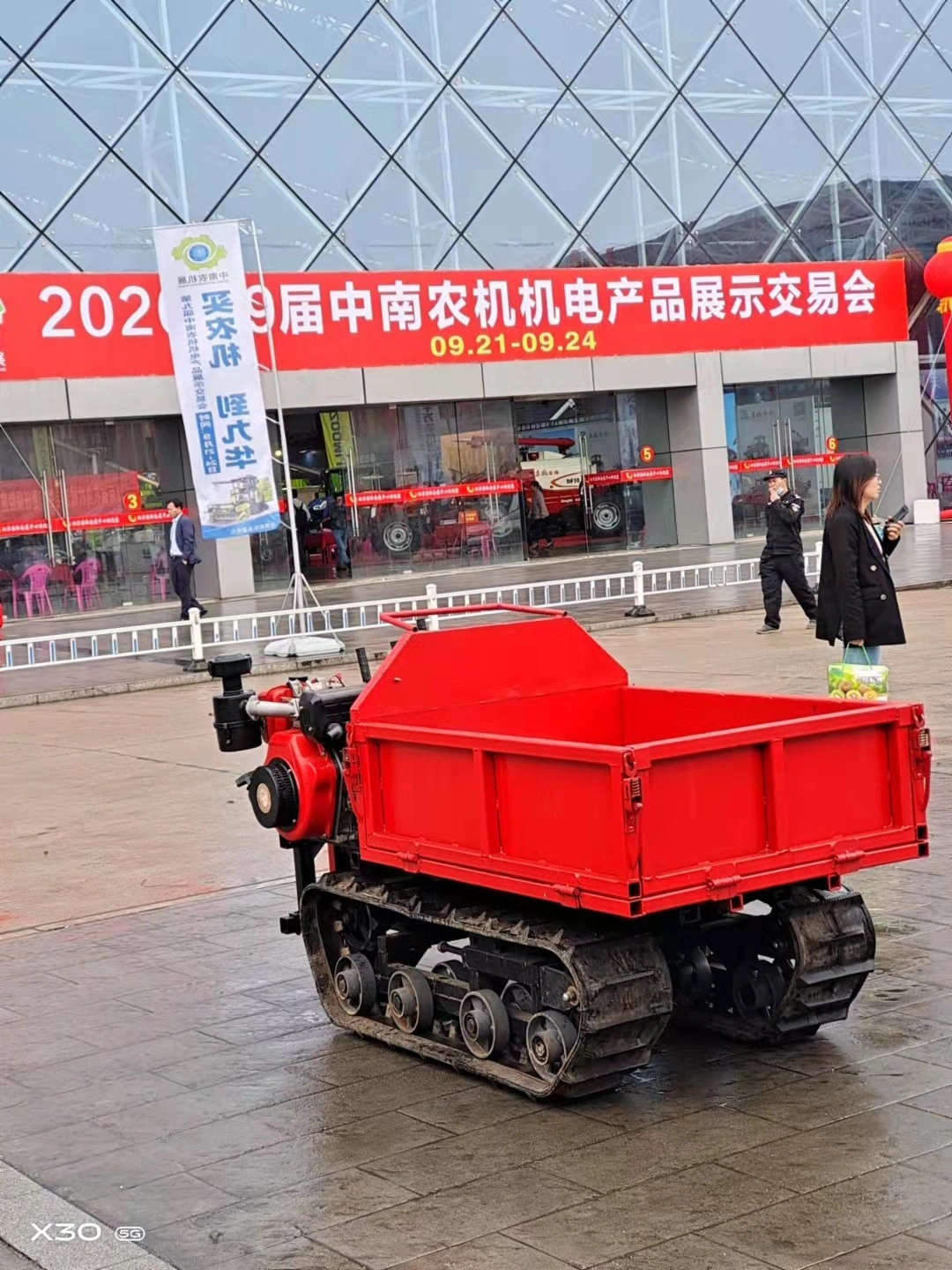
Rough terrain has always presented a challenge for equipment designed primarily for smooth, paved surfaces. Wheeled vehicles can struggle with traction, stability, and speed once ground conditions become soft, uneven, or steep. This is precisely the environment where tracked hauling equipment demonstrates its value, keeping productivity high even when the ground refuses to cooperate, and it explains why so many businesses working in unpredictable conditions have made the switch to tracked equipment. Anyone who has watched a wheeled vehicle spin its tires uselessly in mud while a deadline looms understands exactly why this shift has become so widespread.
Why Rough Terrain Slows Down Traditional Equipment
When wheels lose traction in mud, sand, or loose gravel, machines either get stuck or require significant time and effort to free, both of which bring productivity to a halt. Steep slopes compound this problem further, increasing the risk of slipping or tipping. These challenges are common on construction sites, farms, and forestry operations alike, and they often force crews to fall back on slower manual methods precisely when speed matters most. Even a single stuck vehicle can tie up an entire crew for an hour or more, as workers scramble to free it using boards, winches, or another piece of equipment entirely.
Track Design as a Productivity Solution
Rubber tracks spread a machine’s weight across a much larger surface area than wheels, significantly reducing ground pressure. This allows a crawler dumper truck to maintain steady movement across terrain that would leave wheeled equipment stranded, keeping material transport consistent throughout the workday regardless of ground conditions, whether that means soft spring mud or loose summer dust. This adaptability means crews no longer need to plan their workday around the weather forecast, since the machine performs reliably regardless of what conditions the site happens to present that day.
Maintaining Speed and Consistency
Productivity is not just about avoiding getting stuck, it is also about maintaining a steady pace. Tracked machines tend to offer smoother, more predictable handling on rough ground, allowing operators to move at a consistent speed rather than constantly slowing down to navigate obstacles or soft patches, which adds up to meaningful time savings across a project measured in hours rather than minutes. Over the course of a multi-week project, this steady, reliable pace can shave days off an overall timeline compared to equipment that frequently slows or stalls.
Fewer Delays Mean Lower Costs
Every hour lost to a stuck or struggling machine translates directly into project delays and increased labor costs. By reducing the likelihood of these interruptions, tracked hauling equipment helps keep budgets and timelines on track, which is particularly valuable on projects with tight deadlines or contractual penalties for delays that can quickly erode profit margins on an otherwise well-run project. Project managers who have experienced these costly delays firsthand tend to view reliable terrain-capable equipment as a form of insurance against exactly this kind of budget overrun.
Operator Confidence on Difficult Ground
Beyond the mechanical advantages, operators tend to work more efficiently when they trust their equipment to handle challenging terrain safely. This confidence reduces hesitation and overly cautious operation, allowing crews to maintain a faster overall workflow without sacrificing safety on difficult sections of a job site where a less capable machine might otherwise cause operators to proceed with unnecessary caution. Experienced operators often describe this shift in mindset as one of the more noticeable changes after upgrading from older or less capable equipment.
Maximizing Productivity Gains
To get the most out of this equipment on rough terrain, it helps to plan routes that avoid unnecessary obstacles where possible and to keep tracks properly maintained for optimal grip. When paired with good operational planning, tracked hauling machines consistently outperform wheeled alternatives in productivity across challenging ground conditions, delivering a return on investment that becomes clearer with every difficult and terrain-challenging site a business chooses to take on. Businesses that keep a simple log of time saved on rough-terrain jobs often find the numbers make an easy case for continued investment in capable tracked equipment. Over time, many businesses find that the equipment pays for itself simply by opening up projects that would have been impractical or unprofitable to take on using older, less capable machinery.