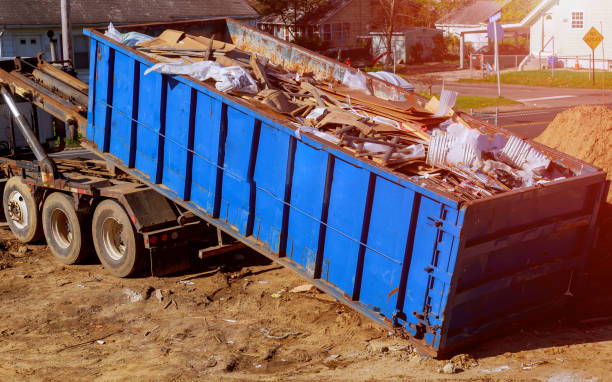
Preserving an orderly, structurally sound, and hazard-free real estate layout represents a fundamental component of proactive estate conservation and modern asset oversight. Over multi-year cycles of domestic occupancy or commercial operations, storage basements, attached garages, and retail spaces inevitably accumulate bulky broken electronics, non-functional appliances, and outdated fixtures. Trying to single-handedly categorize, safely lift, and legally transport these high-volume materials to municipal waste processing infrastructures places an immense strain on real estate supervisors. Booking an expert team for Professional Junk Removal services in Severn, MD allows individuals to efficiently clear out structural clutter while keeping their sites in strict compliance with changing environmental recycling regulations. Great Affordable Rates LLC delivers the advanced load sorting protocols, heavy-duty hauling vehicles, and disciplined technicians necessary to quickly correct severe asset accumulation and protect surrounding property values.
Key Takeaways
- Expert outbuilding and basement clearing improves interior workspace flow, pedestrian safety, and neighborhood curb appeal.
- Precise municipal environmental directives mandate strict material division for industrial electronics and refrigerant units.
- Proactive clutter reduction significantly minimizes localized fire risks, subterranean pest nesting, and structural mold issues.
- Trained material transport technicians negate personal injury liabilities by using advanced mechanical dollies and ergonomic team lifting.
- Selecting an established regional logistics partner guarantees responsible item recycling and verified community donation distributions.
Analyzing the Structural Value of Specialized Debris Extraction
Allowing unneeded material to collect within residential or light commercial footprints represents a progressive threat that impacts both structural integrity and foundational health. When large volumes of dense wood, old carpets, and outdated office equipment sit undisturbed for years, they restrict normal indoor airflow, create significant fuel loading for fire risks, and place uneven structural loads on subflooring. Utilizing specialized debris handling firms ensures that heavy, awkward, or structurally degraded materials are systematically removed using appropriate anatomical leverage and protective physical gear.
Furthermore, a disciplined approach to space restoration places a primary emphasis on ecological sustainability and municipal diversion. Professional technicians do not simply haul mixed trailer loads directly to local landfills; they meticulously audit materials to isolate donation-ready home furniture, extract valuable scrap metals, and route clean cardboard or plastics to specialized processing hubs. This detailed division process helps property managers achieve community environmental benchmarks while avoiding strict county penalties for improper public disposal.
Logistical Layout Complications Facing Area Real Estate Managers
Homeowners and local property managers encounter distinct physical layout barriers when attempting self-directed residential cleanouts. The architectural designs found across many local neighborhoods—which often feature narrow detached access alleys, low-clearance garage doors, and tightly confined interior workshop rooms—make extracting bulky workbenches, heavy cast iron tools, or old appliances exceptionally risky for untrained individuals. Moving these objects without commercial-grade dollies and straps frequently leads to deep wall gouges, cracked concrete borders, or severe personal injuries.
In addition to physical obstacles, navigating changing local public waste guidelines introduces a demanding layer of administrative work. Local drop-off sites maintain strict separation rules regarding chemical products, electronics, and heavy yard waste. Figuring out the correct regional drop-off zones, verifying seasonal disposal fees, and securing large transport trailers requires a massive investment of personal time that most property owners cannot accommodate within their busy weekly schedules. One reliable strategy to overcome these systemic challenges involves hiring certified Bulk Debris Disposal Operators in Severn, MD, enabling building supervisors to quickly clear extensive residential basements, warehouses, or backyard yards without straining their personal schedules.
Critical Threshold Indicators Mandating Fast Property Clearing
Because bulk accumulation typically advances gradually over several years, property occupants often become accustomed to the restricted space until conditions create an immediate operational hazard. Recognizing specific spatial and biological warning signs early allows real estate supervisors to secure professional assistance before facing county health fines or building degradation.
Restricted Mobility and Obstructed Exit Vectors
When storage boxes, broken furniture, or discarded yard tools begin narrowing secondary walkways, crowding doors, or blocking access paths, the property presents an immediate safety risk. Maintaining open pathways to main electrical panels, indoor water shut-off valves, and structural exit points is a clear legal necessity to protect inhabitants and ensure rapid entry for first responders during an emergency. Utilizing Residential Waste Extraction Specialists in Severn MD helps property managers eliminate these structural hazards before they escalate into serious safety violations.
Microscopic Vectors and Pest Nesting Grounds
Dense piles of stacked cardboard, paper archives, and unwashed household fabrics supply ideal nesting chambers for rodents, insects, and structural pests. Once an infestation establishes itself within hidden storage piles, it rapidly spreads into main structural wall cavities, chewing through electrical insulation wires and generating serious biological health hazards.
Hidden Moisture Pockets and Airflow Stagnation
Large collections of porous materials behave exactly like environmental sponges, trapping ambient basement humidity against unfinished concrete floors and gypsum board walls. This lack of structural ventilation triggers rapid mold spores that degrade indoor breathing conditions, damage nearby building materials, and compromise structural wood frames.
Microclimate Dynamics and Material Degradation
The localized climate patterns of the Mid-Atlantic zone have an unexpected impact on how stored residential materials behave over extended periods. High summer humidity mixed with sharp winter temperature drops accelerates the chemical and physical breakdown of items kept in unconditioned environments like secondary loading bays, storage sheds, and detached workshop facilities. Wood warping, metal rust, and cardboard breakdown make handling these materials highly unpredictable and hazardous without professional protective gear.
Severe seasonal storms also generate sudden property emergencies that require immediate attention. Saturated or flooded lower levels leave property managers with water-logged drywall, ruined carpets, and bio-contaminated furniture that must be removed quickly to protect the building’s foundation. Working with a team familiar with these localized weather patterns ensures that cleanouts are handled with the specific safety precautions required for regional environmental conditions.
Technical Operational Standards Enforced During Initial Site Reviews
Before any manual lifting begins, certified cleanup teams perform an exhaustive logistical evaluation of the target property. This diagnostic preparation ensures a safe workflow that avoids structural impacts to entryways while optimizing labor speeds:
- Structural Integrity Inspection: Checking the strength of stairs, ramps, and platforms to ensure they can handle high weight loads during extraction.
- Cubical Volume Calibration: Confirming the precise total yardage to ensure the right size fleet vehicles and container allocations are deployed.
- Hazard Class Checklist Auditing: Searching for restricted waste paint, consumer batteries, or localized mercury devices that require alternative processing manifests.
- Exit Vector Calibration: Laying down durable protective surface boards, applying corner foam padding to frames, and mapping the shortest paths of travel.
- Sustainable Reclamation Identification: Pre-sorting items that align with community donation networks, scrap metal recycling markets, or electronic asset recovery programs.
Proactive Preservation Gains Realized Through Regular Clearing
Addressing structural clutter early delivers notable defensive benefits for property asset value. Keeping basements, attic spaces, and crawlspaces completely open allows maintenance staff to consistently inspect framing timbers, water supply lines, and foundation walls for early defects before they turn into major structural repairs.
Regular property clearing also preserves the ongoing market readiness of a piece of real estate. Whether preparing for a sudden relocation, managing an estate transition, or transitioning a rental unit between tenants, keeping spaces free of debris eliminates costly logistical delays and ensures the asset can be listed, renovated, or occupied without friction.
Versatile Debris Hauling Solutions for Diversified Real Estate Projects
Different property scenarios require distinct containment, transport, and sorting strategies. Professional cleanout teams offer a versatile menu of services tailored to match the specific operational scale of the project:
- Complete Estate Liquidations: Compassionate and highly methodical extraction of household contents to prepare historic properties for successful resale listings.
- Post-Tenant Turnover Clears: High-speed evacuation of abandoned consumer goods, clothing, and trash left behind by old tenants to minimize vacancy loss days.
- Commercial Office Modernization Hauling: Responsible processing of redundant workstations, old printers, partition panels, and metallic file storage units.
- Post-Renovation Material Clearing: Rapid loading of scrap drywall pieces, broken tile elements, packaging materials, and floor underlayment debris from active home improvements.
Modern Sorting and Storage Systems to Stop Future Clutter
Once a storage room or workspace has been successfully cleared of bulk debris, setting up a proactive organizational plan avoids future asset build-ups. Investing in commercial industrial storage racks, using heavy-duty clear plastic bins with manifest cards, and enforcing clear floor markers around electrical panels prevents chaotic piles from taking over critical working areas.
Property supervisors should also implement a strict seasonal audit for all storage bays and outbuildings. Running quick quarterly reviews of these secondary spaces allows residents to flag unneeded items early, scheduling minor pickups before the total volume requires a major emergency financial expenditure.
Essential Screening Steps When Vetting Logistics Firms
Entrusting an asset removal project to an outside crew requires a comprehensive review of their business credentials. Property managers must verify that the selected provider carries ample commercial liability insurance, vehicle fleet coverage, and current workers’ compensation policies. This insurance foundation protects the property owner from any financial or legal liability should an unexpected injury or accidental structural impact occur during operations.
Community reputation and transparent environmental policies are equally reliable hallmarks of operational excellence. Homeowners should seek out companies backed by verified regional testimonials, crystal-clear service descriptions, and an explicitly stated commitment to green disposal methods. A premium provider treats the target property with absolute respect, arriving with immaculately maintained equipment and a disciplined, polite uniform crew.
Five Direct Operational Questions for Prospective Contractors
Before signing a property removal contract, building managers should evaluate a team’s capabilities by asking these detailed questions:
- What thickness of interior protection barriers do your crews install on wood floors and entry doors before moving heavy iron items?
- Can you provide validated disposal documents verifying that electronic scrap and commercial appliances are processed at certified facilities?
- What specific emergency protocols do your field crews use if they discover hidden hazardous chemicals or toxic mold during an extraction?
- Are all hauling vehicles in your operational fleet fully owned, permitted, and insured under your commercial business name?
- How do you calculate your labor schedules to prevent disruption to our neighbors and daily personal routines?
Practical Asset Care Rules for Long-Term Value Protection
Clearing out structural space provides an exceptional opportunity to upgrade local building defenses. Once a room is completely empty, owners should inspect the exposed surfaces for concrete cracks, apply fresh moisture-resistant sealants, and test regional radon or dehumidification systems. Ensuring that main electrical hubs, water meters, and heating units maintain a permanent three-foot clearance zone is an essential fire-safety protocol that drastically reduces building risk profiles.
Conclusion
Restoring a property from the burden of dense material accumulation is an indispensable aspect of maintaining structural longevity, occupant health, and maximum real estate appreciation. Attempting to manage massive clearing efforts independently frequently leads to personal injury, property damage, or unintended non-compliance with local waste management codes. By investing in professional property management support, owners guarantee that their spaces are recovered with precision, speed, and absolute ecological integrity. Utilizing an experienced crew smoothly transitions dangerous, non-functional environments back into valuable, productive spaces, ensuring long-term asset preservation through expert logistical oversight.
Contact Trusted Professionals
If you are ready to reclaim your valuable square footage and reinforce your building’s long-term health, contact our experienced local team. Our dedicated specialists excel at providing comprehensive property management and hauling solutions, ensuring that every phase of your cleanup is handled safely, efficiently, and responsibly. Whether you are managing a complex commercial estate transition, clearing a rental property, or removing years of residential storage accumulation, we deploy regional expertise to manage all aspects of sorting, heavy lifting, and eco-friendly disposal. Protect your real estate asset from the risks of clutter and neglect. Reach out to us today to schedule a detailed property evaluation and discover the benefits of a truly professional clearing solution.
Frequently Asked Questions
1. What primary factors differentiate standard residential trash from items that require specialized logistics removal?
Standard municipal waste routes only accept small bags of daily household garbage. When a property needs to dispose of heavy furniture, cast iron appliances, large piles of yard waste, or construction debris, municipal systems will refuse them, making a specialized hauling team essential.
2. How do local climate variations in the region affect assets stored in unconditioned outbuildings?
The high moisture levels typical of local summers cause cardboard boxes, natural fabrics, and wood furniture to absorb airborne water. This rapid absorption triggers mold growth and structural decay, which ruins the items and presents inhalation hazards if they are not removed quickly.
3. What steps should a property manager complete before the removal crew arrives?
While owners do not need to perform physical labor, walking the site to clearly flag which items are to be removed versus which items should be kept ensures an efficient workflow and total accuracy during fast loading operations.
4. How regularly should commercial properties arrange for a professional bulk volume review?
Commercial facilities and rental units should perform a bulk storage audit annually. Keeping up with this schedule ensures that hallways stay clear of safety hazards, keeps the building in compliance with local fire codes, and stops obsolete items from taking over usable square footage.
5. What legal frameworks control the disposal of old electronics and refrigeration units?
Local environmental protection regulations explicitly ban throwing computers, monitors, and refrigerant-based appliances directly into public landfills due to the hazardous chemicals inside. Professional hauling firms manage these materials safely by delivering them to specialized recycling centers that process them legally.