Refreshing internal millwork requires a specialized combination of chemical knowledge and precise physical application techniques. Property owners frequently seek ways to modernize their kitchens and bathrooms without incurring the massive waste and disruption of a complete tear-out. NewCoatPaintingLLC provides comprehensive technical insights into how proper coating adhesion preserves structural wooden fixtures over long timelines. When existing lacquer finishes begin to amber, wear down, or peel away, selecting professional cabinet painting in Olathe, KS, stands as a highly effective method for property preservation. Treating these busy interior surfaces with industrial-grade coatings ensures that a home maintains its structural value and aesthetic appeal for years to come.
Key Takeaways
- Mechanical degreasing and cleaning control the overall chemical bond strength of the new paint system.
- Kitchen environments expose wooden fixtures to high grease, heat, and moisture loads daily.
- Early warning signs like hairline joint cracks allow moisture to penetrate and expand the wood substrate.
- Industrial-grade primers are required to permanently block wood tannins from bleeding into the topcoat.
- Spray application methods produce a completely smooth finish that mimics factory-built cabinetry.
Understanding the Importance of Professional Kitchen Millwork Refinishing
Refinishing wood cabinets involves far more than simply wiping down doors and brushing on a consumer-grade latex paint. The kitchen is the most demanding environment inside a home, exposing woodwork to constant physical contact, steam, food acids, and cooking oils. Without an industrially rated chemical coating, bare or improperly finished wood will quickly absorb these contaminants, causing the grain to swell and rot.
Professional crews focus on applying specialized coatings at precise wet film thicknesses to ensure the dry finish resists impact and staining. Applying finish coats too thin compromises the chemical barrier, allowing oils from human hands to soften the paint layer over time. Conversely, over-applying the material can result in sluggish drying times and running edges that ruin the visual symmetry of the woodwork.
Common Challenges Property Owners Face Regionally
Homeowners routinely deal with interior environmental shifts that place continuous structural tension on their built-in wooden features. Shifting foundation soils can cause slight changes within kitchen walls, forcing tightly fitted cabinet frames to twist and flex. If an existing surface finish has grown brittle with age, it will snap cleanly under this movement, exposing raw wood beneath.
Correcting poor historical DIY coating attempts presents another common obstacle for current property stewards. Many residential kitchens feature older woodwork covered in heavy layers of cheap wall paint applied directly over greasy cooking residues or slick varnishes without proper sanding. Rectifying these past mistakes requires intensive corrective labor, including chemical stripping, specialized orbital sanding, and the application of aggressive bonding agents before any fresh materials can be introduced.
Early Warning Signs That Should Not Be Ignored
Recognizing the earliest symptoms of cabinet coating failure allows homeowners to address minor defects before the wood substrate suffers permanent damage. Moisture and kitchen oils work quietly behind the scenes, and their presence eventually causes obvious structural distortions in the paint film.
- Tannin Bleed-Through: Dark, yellowish stains seeping through the paint layer, showing that wood oils are migrating past an insufficient primer coat.
- Hinges and Joint Cracking: Fine hairline fractures opening up where individual wooden stiles and rails meet, signaling that seasonal movement is straining the film.
- Paint Flaking: Small chips lifting away around knobs, handles, and lower door edges, indicating a complete failure of the chemical bond.
- Surface Stickiness: A gummy or tacky feel on the finish, which happens when cooking greases chemically break down low-quality paints.
Neglecting these clear warning signs exposes the underlying wood to steam and liquids, which leads to warping, wood delamination, and costly replacement needs.
How Local Environmental Conditions Affect Coating Requirements
The extreme seasonal weather variations of the Midwest cause significant changes in the indoor climate of residential properties. Homes experience hot, humid summer months followed by incredibly dry winter heating seasons, which subject indoor wood fixtures to severe moisture cycling. Safely managing these indoor shifts requires utilizing experienced cabinet refinishers in Olathe, KS, who know how to choose high-durability coatings that retain elasticity.
Furthermore, these rapid indoor humidity swings cause solid wood door panels to expand and contract continually within their frames. Standard architectural paints lack the tensile strength and flexibility to survive this constant movement, resulting in splitting at the seams. Employing professional kitchen cabinet painters in Olathe, KS ensures that properties receive specialized industrial coatings that move naturally with the wood fibers while blocking out ambient indoor humidity.
Factors Professionals Evaluate During Inspections
Before removing a single door from its frame, a detailed technical inspection of the kitchen millwork must be performed. Professional refinishers do not simply look at color samples; they analyze the structural integrity of the substrate to confirm it can handle an industrial coating system.
Substrate Composition and Coating Compatibility
Technicians investigate whether the cabinetry is constructed from solid oak, maple, paint-grade MDF, or covered in a synthetic thermofoil laminate. Painting over thermofoil requires entirely different bonding primers compared to open-grain oak, which requires grain-filling procedures to achieve a smooth appearance. Any peeling laminate or cracked solid wood profiles must be completely repaired or stabilized before preparation work can begin.
Hardware Functionality and Alignment Evaluation
Inspectors check the physical alignment of all hidden cup hinges and drawer glides to ensure they operate smoothly without rubbing against the cabinet frame. Mechanical rubbing will quickly shear off even the toughest industrial coatings, leading to localized paint failure. Technicians also look for stripping in the screw holes of softwood frames, correcting these structural mechanical issues before the final painting process begins.
Benefits of Preventive Maintenance and Timely Service
Waiting until cabinet doors are severely worn, chipped, and grease-soaked is an expensive error in residential property management. Implementing a proactive home maintenance strategy, which includes gentle cleaning with specialized detergents and prompt touch-ups, preserves the life of the wood structure.
Getting a kitchen refreshed at the correct strategic time prevents cooking oils from permanently soaking into porous wood grain. When wood becomes deeply saturated with grease, it loses its structural density and can no longer hold hardware screws or fresh primers reliably. By refreshing the protective coating before the original factory clear coat fails, property owners avoid the massive cost of buying brand-new cabinetry.
Available Service Solutions for Property Owners
Every residential kitchen features its own unique combination of woodwork layouts that demand tailored application steps and specialized product selections. Traditional open-grain wood like oak often requires multiple coats of a high-solid grain filler to smooth out deep natural pockets before painting. In comparison, modern maple or MDF surfaces can go straight to priming after a thorough micro-sanding treatment.
Property owners can also choose between different finish sheen options depending on their household traffic levels. Busy kitchens with children and pets benefit greatly from high-durability satin or semi-gloss industrial polyurethanes that can be wiped clean daily without polishing out. For low-traffic utility rooms or built-in bookshelves, an understated matte or dull-satin sheen offers a sophisticated, modern appearance.
Best Practices for Long-Term Performance
Achieving an interior cabinet finish that lasts for a decade or more requires strict adherence to professional finishing standards. Taking shortcuts during cleaning or sanding may look acceptable on the day the project finishes, but those errors will cause the coating to chip off within a matter of months.
The foundation of cabinet coating longevity is thorough chemical decontamination. This step involves washing every surface with heavy-duty degreasers to remove hidden grease, hand-scraping any flaking debris, and sanding the surfaces to create a mechanical profile for the paint. Skipping the primer stage is never an option; a dedicated sandable undercoater seals the wood pores and creates a strong chemical link for the topcoat. Ultimately, laying down two complete coats of a catalyzed finish guarantees maximum scratch and chemical resistance.
The Value of Professional Interior Painting for Property Appearance and Protection
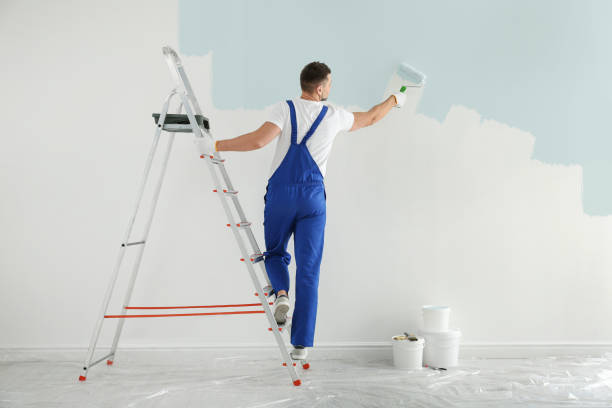
Interior surfaces experience daily wear from foot traffic, furniture movement, sunlight exposure, and normal household activity. Over time, walls, ceilings, and trim can develop scuffs, stains, fading, and other imperfections that diminish the overall appearance of a space. Interior Painting Services provide an effective way to refresh living areas while creating a cleaner, more inviting environment. Professionally applied coatings deliver consistent coverage and a polished finish that enhances the visual appeal of residential and commercial interiors.
Beyond aesthetics, quality interior painting can contribute to the long-term preservation of interior surfaces. Modern paint products help protect drywall, trim, and other materials from minor moisture exposure, surface deterioration, and everyday wear. Proper preparation, including patching imperfections and priming surfaces, supports lasting results and improved durability. By investing in professional painting solutions, property owners can maintain attractive interiors while protecting the value and condition of their property.
Questions to Ask Before Hiring a Contractor
- Can you provide a current copy of your general liability insurance certificate?
- Do you spray the cabinet doors off-site in a controlled spray booth environment?
- What specific preparation steps do you use to remove embedded kitchen cooking oils?
- What specific paint line do you use, and is it certified by the Kitchen Cabinet Manufacturers Association?
- How will you mask off my kitchen, appliances, and flooring to protect them from airborne overspray?
Additional Tips for Protecting Your Investment
Beyond investing in professional painting work, homeowners can use simple habits to preserve their new cabinet finishes. Running an exhaust hood while cooking draws steam and airborne oils away from the upper cabinets, preventing moisture damage.
Wiping up water spills immediately around sink bases prevents liquids from pooling on the edges of doors, which can cause wood swelling. Additionally, avoiding the use of harsh chemical cleaners, abrasive scrub pads, or citrus-based oil soaps ensures that the protective industrial topcoat remains intact and beautiful for its entire intended lifespan.
Conclusion
Securing a beautiful and durable interior wood finish demands a deep respect for surface chemistry, proper substrate preparation, and the unique challenges of the kitchen environment. By identifying the initial signs of paint wear and fixing those vulnerabilities early with top-grade industrial materials, homeowners protect their properties from hidden structural rot. Assigning these maintenance tasks to proven specialists ensures that every phase of the project meets strict performance criteria. Utilizing specialized self-leveling polyurethane enamels guarantees that your primary interior asset stays fully defended against daily household hazards for a generation.
Contact Trusted Professionals
Defending your interior woodwork from daily wear and tear requires specialized technical knowledge, commercial machinery, and disciplined field execution. NewCoatPaintingLLC delivers customized painting solutions developed to meet the strict architectural and structural demands of your property. Planning a full physical inspection and detailed coating evaluation helps find hidden surface weaknesses before they transform into extensive repair problems. Their field crew utilizes deep local knowledge to supply exceptionally durable finishes that elevate kitchen appeal while offering permanent building protection. Connect with their team today to establish an in-depth project consultation for your property’s next cabinet painting in Olathe, KS to preserve your long-term real estate value.
Frequently Asked Questions
How many years should a professional cabinet paint job last?
A professional cabinet application generally lasts between eight and twelve years with proper care. The total lifespan depends on the quality of the initial degreasing work, the daily usage levels of the kitchen, and the type of industrial coating applied.
What is the difference between wall paint and cabinet coatings?
Cabinet coatings are industrial wood finishes formulated to dry much harder than standard wall paint. They resist chemical exposure, water pooling, and skin oils, whereas typical wall paint remains soft and peels quickly under kitchen conditions.
Can old laminate or thermofoil cabinets be painted successfully?
Yes, laminate and thermofoil cabinets can be painted successfully if specialized bonding primers are used. These primers are chemically engineered to bite into slick, non-porous synthetic surfaces, creating a stable base for the durable finish coats.
Why do cabinet doors need to be sprayed instead of brushed?
Spraying cabinet doors ensures an atomized, perfectly uniform layer of paint without creating brush marks or roller textures. This method mimics the flawless look of factory-built cabinetry and allows the specialized coatings to level out smoothly.
How long does a standard kitchen cabinet refinishing project take?
A standard residential kitchen project typically takes between five and seven working days to complete. Most of the door preparation and spray finishing occurs off-site in a spray booth, minimizing the actual disruption inside the homeowner’s kitchen.