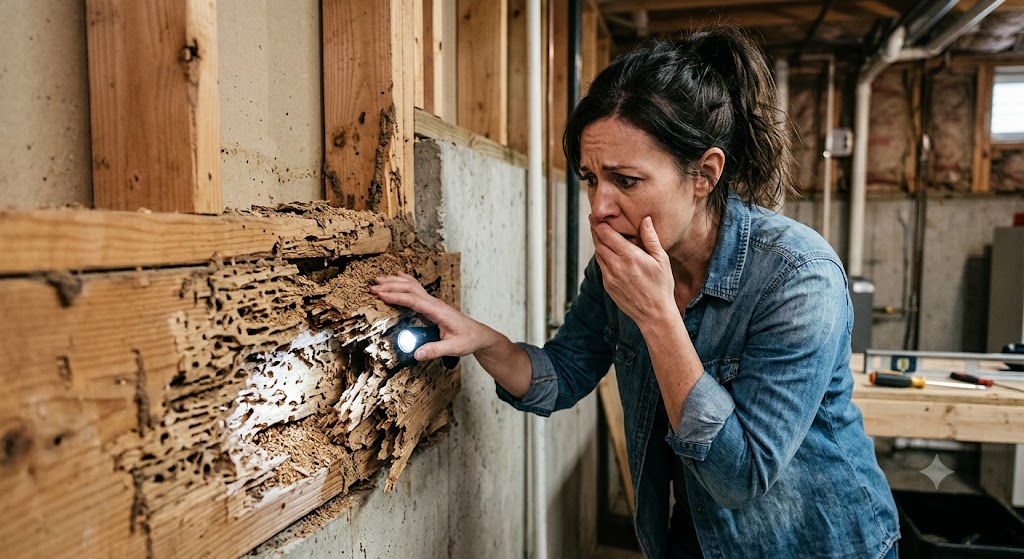
Termite infestation causing severe damage to wooden wall structures in a home
Termite infestation is something no homeowner wants to experience. Unfortunately, termites are often called “silent destroyers” because they can remain hidden for months or even years while causing serious damage to wooden structures. By the time most people notice them, repairs can become expensive and stressful. Whether you own a house, apartment, office, or commercial property, understanding how termites work and learning to identify the warning signs of a termite infestation can help you protect your investment and avoid major structural damage.
Why Are Termites Such a Big Problem?
Termites feed on cellulose, a material found in wood, paper, cardboard, and many building materials. They live in colonies and work continuously, often 24 hours a day, searching for food sources.
Unlike many other pests, termites usually remain hidden. They build tunnels inside walls, beneath floors, and within wooden furniture. Because they avoid light and stay concealed, homeowners often don’t realize there’s an infestation until substantial damage has already occurred.
Every year, property owners spend billions of dollars repairing termite damage and treating infestations. Unfortunately, most insurance policies do not cover termite-related repairs, making prevention and early detection extremely important.
Common Signs of a Termite Infestation
1. Mud Tubes on Walls or Foundations
One of the most common signs of termite activity is the appearance of mud tubes. These pencil-sized tunnels allow termites to travel between their colony and food source while staying protected from predators and dry conditions.
If you notice mud tubes on your walls, foundations, or other surfaces, it may indicate an active termite infestation.
2. Hollow-Sounding Wood
Termites consume wood from the inside out. As they continue feeding, the wood becomes weak and hollow.
Try gently tapping wooden furniture, doors, cabinets, or walls. If they sound empty or hollow, termites may have already caused damage.
3. Flying Termites
Many homeowners mistake flying termites for ants. These winged termites, known as swarmers, leave existing colonies to establish new ones.
Seeing flying termites around windows, lights, or doors can be a sign that termites are nearby and attempting to create a new colony.
4. Discarded Wings
After swarmers find a suitable location, they shed their wings. Finding piles of tiny, transparent wings near windows, doors, or light fixtures may indicate termite activity.
5. Doors and Windows Becoming Difficult to Open
Termite activity can introduce moisture and damage wooden structures, causing doors and window frames to warp. If doors suddenly begin sticking or windows become difficult to open and close, termites could be one of the causes.
Why DIY Solutions Often Fail
Many people try to eliminate termites using sprays, powders, or store-bought products. Unfortunately, these methods usually address only visible termites and rarely eliminate the entire colony.
A termite colony may contain thousands or even millions of termites living deep underground or inside walls. Killing a few visible termites often leaves the main colony untouched.
DIY methods can also delay professional treatment, allowing termites more time to spread and cause additional damage.
Areas Most Vulnerable to Termites
Termites can attack various parts of a property, including:
- Wooden furniture
- Door and window frames
- Cabinets and wardrobes
- Flooring materials
- Roofing structures
- Paper storage areas
- Wooden support beams
- Basements and crawl spaces
Properties with moisture issues or direct wood-to-soil contact are particularly vulnerable to termite Control.
How to Reduce the Risk of Termites
Although no property is completely immune, there are several ways to lower the risk of an infestation.
Eliminate Excess Moisture
Repair leaking pipes, improve drainage systems, and avoid standing water around your property.
Store Wood Properly
Keep firewood, cardboard, and wooden materials away from your home’s foundation.
Seal Cracks and Gaps
Seal openings around doors, windows, and foundations to reduce potential entry points.
Schedule Regular Inspections
Professional inspections can identify termite activity before extensive damage occurs.
Address Problems Early
If you notice any warning signs, seek professional advice as soon as possible.
Why Early Detection Matters
The biggest mistake homeowners make is waiting until the damage becomes obvious. Termites work silently, and visible damage often means the infestation has already been present for a long time.
Early detection offers several advantages:
- Lower treatment costs
- Reduced structural damage
- Faster elimination of infestations
- Lower repair expenses
- Better protection of property value
A small problem discovered early is usually much easier and less expensive to manage than a large, established infestation.
Final Thoughts
Discovering termites truly sucks. The stress, repair costs, and inconvenience can be overwhelming for any homeowner. However, understanding the warning signs and taking preventive measures can significantly reduce the risk of severe damage.
Mud tubes, hollow-sounding wood, flying termites, discarded wings, and sticking doors or windows should never be ignored. The sooner termite activity is identified, the easier it becomes to protect your home and prevent costly repairs.
Your home is one of your most valuable investments. Staying informed, conducting regular inspections, and addressing potential problems early can go a long way toward keeping your property safe, secure, and termite-free.